




Menu

Frozen Pipe Burst Cleanup in Cincinnati – Emergency Response in Under 60 Minutes

24/7 emergency burst pipe water removal across Hamilton County. When freezing temperatures rupture your pipes, our rapid response teams arrive fast to stop flooding, extract water, and prevent mold before structural damage sets in.

Slider Image 1
Slider Image 2
Slider Image 3
Slider Image 4
Slider Image 5
Slider Image 7
Slider Image 8
Slider Image 9
Slider Image 10
Slider Image 11

Cincinnati's Freeze-Thaw Cycles Turn Pipe Damage Into Full-Scale Flooding

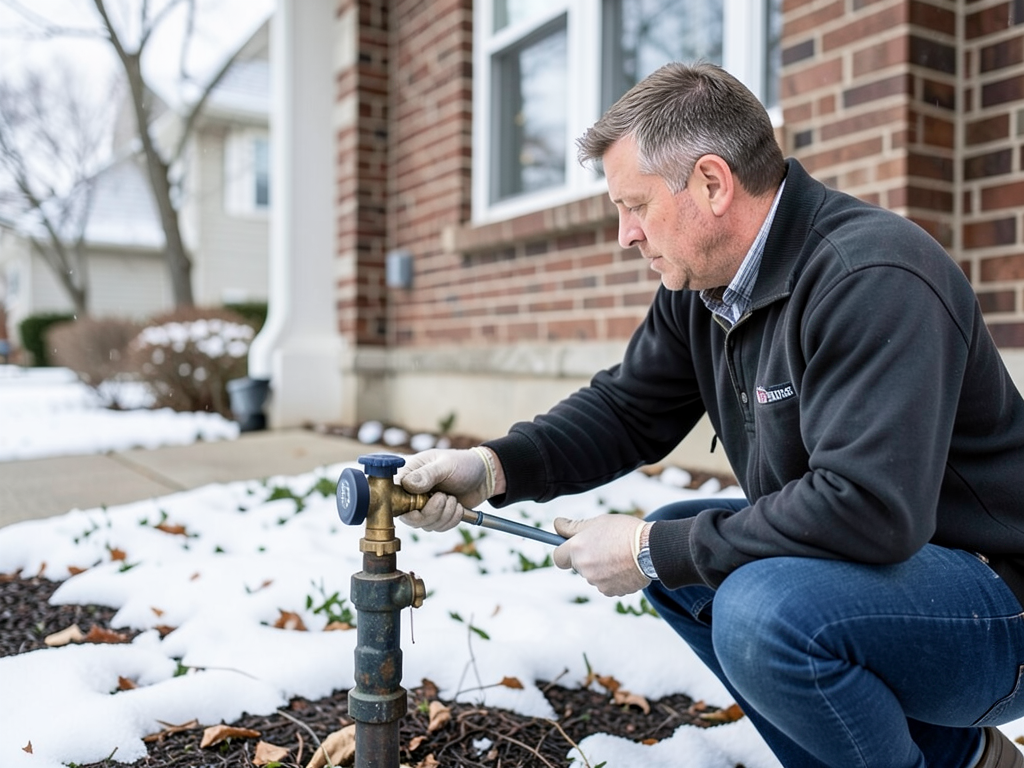
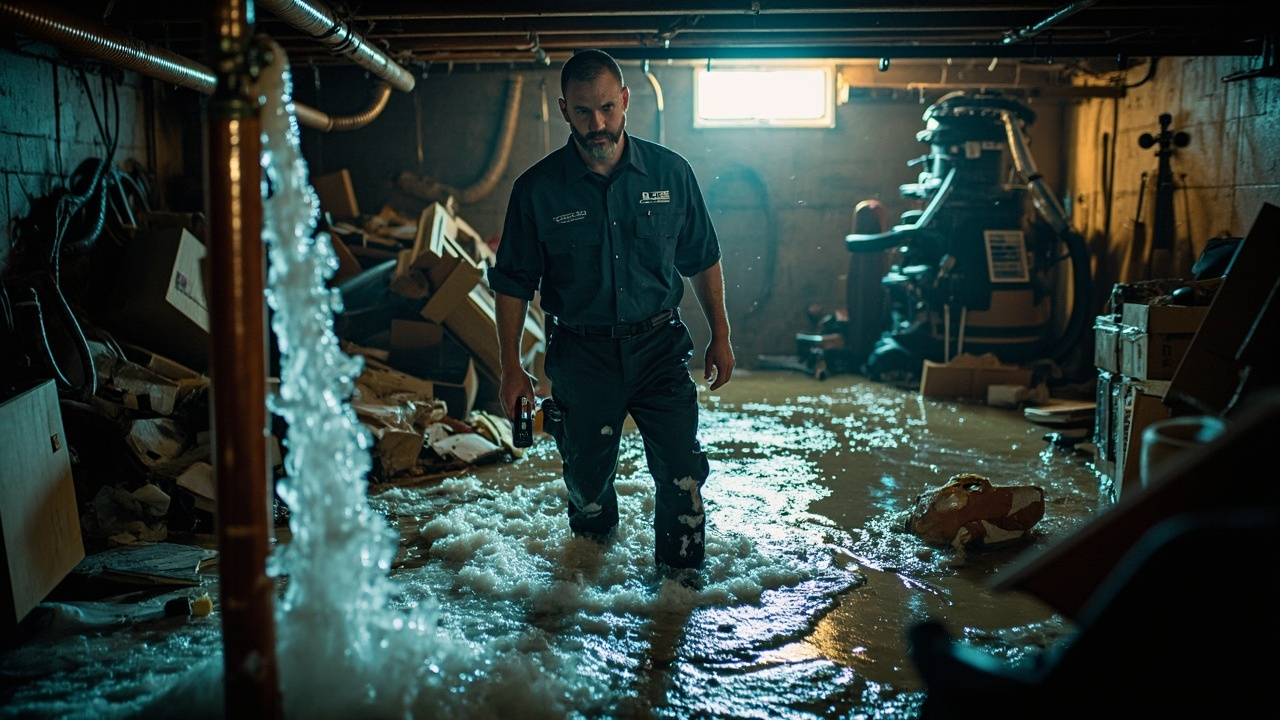
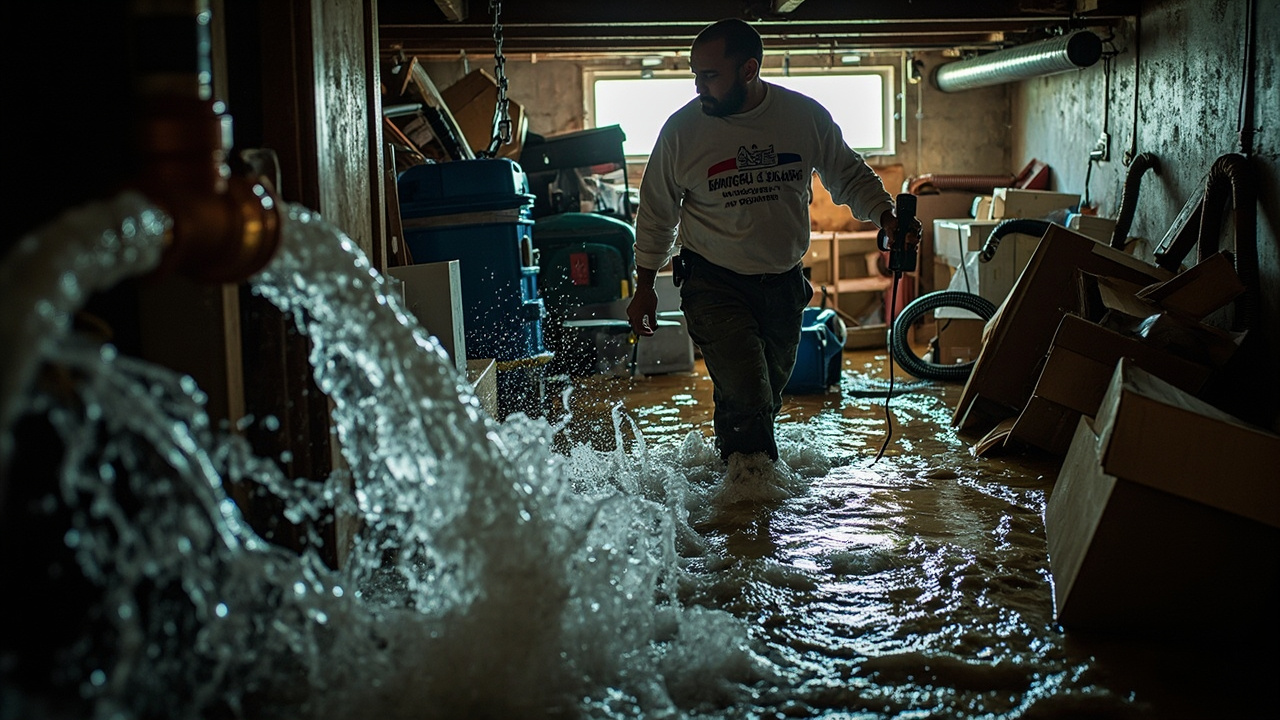
Cincinnati's winter weather swings from 15°F to 50°F in 48 hours. Water trapped in your pipes expands when it freezes, creating 40,000 PSI of pressure. That pressure splits copper, PVC, and even galvanized steel. When temperatures climb back up, the ice melts and thousands of gallons flood your basement, crawl space, or ceiling cavity in minutes.

The damage accelerates fast. Drywall absorbs water within 30 minutes. Subflooring delaminates in under two hours. Mold spores colonize damp wood and insulation within 24 to 48 hours. If you're in Oakley, Hyde Park, or Clifton, older homes with uninsulated rim joists and crawl spaces face the highest risk. Even newer construction in Mason or West Chester experiences burst pipe emergencies when exterior walls lack proper insulation or when overnight lows drop below 20°F.

You smell damp carpet. You hear water running behind walls. Your water bill spikes. These are warning signs of a hidden rupture. Frozen pipe flood cleanup is not a tomorrow problem. Every hour you wait compounds the destruction. Water seeps into floor joists, electrical systems, and HVAC ducts. What starts as a pipe failure becomes a five-figure reconstruction project if you delay emergency burst pipe water removal.

You need a team that understands Cincinnati's housing stock, responds immediately, and deploys commercial-grade extraction equipment before secondary damage takes hold.

Cincinnati's Freeze-Thaw Cycles Turn Pipe Damage Into Full-Scale Flooding
How We Execute Burst Pipe Water Damage Restoration

How We Execute Burst Pipe Water Damage Restoration

Speed determines outcome in frozen pipe burst remediation. Our dispatch protocol activates within minutes of your call. We arrive with truck-mounted extractors, thermal imaging cameras, moisture meters, and industrial air movers. This is not a shop-vac and fan operation. We deploy equipment designed for Class 3 water intrusion, which means fast-moving saturation that affects walls, ceilings, and subflooring.

First, we isolate the water source. We shut off the main supply line or zone valve to stop additional flooding. Then we map the damage. Thermal imaging reveals moisture trapped inside wall cavities and under flooring where visual inspection fails. We measure moisture content in wood framing and drywall using pin-type and non-invasive meters. Readings above 16 percent signal mold risk and structural compromise.

Next, we extract standing water with high-capacity pumps that remove hundreds of gallons per minute. We pull water from carpet padding, subflooring, and crawl spaces before it migrates to adjacent rooms. Then we set up a controlled drying environment. We position axial fans to create airflow across wet surfaces and place low-grain refrigerant dehumidifiers to pull moisture from the air. We monitor drying progress every 24 hours using moisture readings and adjust equipment placement to ensure uniform drying.

We document every phase with photos, moisture logs, and equipment records. Insurance carriers require this documentation for claims approval. We coordinate directly with your adjuster to streamline the process and reduce your out-of-pocket costs. Our goal is complete water extraction for frozen pipes and full structural drying within three to five days, depending on saturation levels.

What Happens When You Call for Emergency Pipe Burst Service

Frozen Pipe Burst Cleanup in Cincinnati – Emergency Response in Under 60 Minutes
01

Immediate Dispatch and Assessment

We answer your call 24/7 and dispatch a crew within 30 minutes. Our technicians arrive with water extraction equipment, moisture detection tools, and containment barriers. We assess the rupture location, measure the extent of saturation, and map affected areas using thermal imaging. You get a clear explanation of the damage and the remediation plan before we start work.
02

Water Extraction and Containment

We stop the water source and remove standing water using truck-mounted extractors. We pull moisture from carpet, padding, and subflooring. We set up air movers and dehumidifiers to create a controlled drying environment. We isolate affected rooms with containment barriers to prevent cross-contamination. This phase prevents mold growth and protects unaffected areas of your home.
03

Drying and Final Verification

We monitor moisture levels daily and adjust equipment to ensure uniform drying. We document progress with moisture readings and photos for your insurance claim. Once moisture content drops to safe levels, we remove equipment and verify structural integrity. You receive a final report showing pre-loss and post-remediation moisture levels, confirming your property is dry and safe.

Why Cincinnati Homeowners Choose Ace Water Damage Restoration Cincinnati

Cincinnati's housing mix demands local expertise. We work in century-old brick Colonials in Northside, mid-century ranches in Finneytown, and new builds in Liberty Township. Each structure type reacts differently to water intrusion. Older homes have plaster walls that crumble when saturated. Balloon-framed construction allows water to travel vertically through wall cavities into second-floor bedrooms. Newer homes with OSB subflooring delaminate faster than traditional plywood when exposed to moisture.

We understand Hamilton County's building codes and remediation standards. We know when drywall can be saved with drying and when it must be removed. We know how to address crawl space flooding in homes built on sloped lots common in Mount Lookout and Hyde Park. We coordinate with local plumbers to repair the burst pipe while we handle the water damage. This integrated approach reduces your downtime and eliminates the chaos of managing multiple contractors.

Our response time matters. We station equipment and crews across Cincinnati to reach Westwood, Norwood, and Anderson Township within an hour. We do not dispatch from Dayton or Columbus. Our technicians live in the same neighborhoods you do. They understand that a frozen pipe emergency at 2 a.m. on a Sunday is not a Monday morning callback. It is an immediate threat to your home's structural integrity and your family's health.

We carry commercial liability insurance and maintain IICRC certifications in water damage restoration. We follow EPA mold remediation protocols and use hospital-grade antimicrobial treatments when necessary. You get documented proof that the work meets industry standards and insurance carrier requirements.

What to Expect When You Hire Us for Frozen Pipe Burst Cleanup

Response Time and Availability

We dispatch crews 24/7, including holidays and weekends. You call at 3 a.m. during a snowstorm, we answer and deploy immediately. Our average response time is under 60 minutes for Hamilton County locations. We arrive with a fully equipped truck, ready to start extraction and containment without delay. Speed directly reduces damage severity and total restoration costs. We do not schedule appointments for frozen pipe emergencies. We respond now.

Damage Assessment and Documentation

We use thermal imaging cameras and moisture meters to map hidden water damage behind walls and under flooring. We document pre-loss moisture levels, saturation zones, and affected materials with photos and written reports. This documentation supports your insurance claim and ensures nothing gets missed. We identify structural risks, mold potential, and secondary damage pathways. You receive a clear explanation of what happened, why it happened, and what we must do to fix it.

Complete Drying and Restoration

We do not leave until moisture levels return to safe baselines. We monitor drying progress every 24 hours and adjust equipment placement to eliminate damp spots. We remove damaged materials that cannot be saved and protect salvageable structures. Our equipment runs continuously until thermal imaging confirms complete drying. You get a final moisture report showing your home is dry, safe, and ready for reconstruction if needed. We do not guess. We verify.

Insurance Coordination and Follow-Up

We communicate directly with your insurance adjuster and provide all required documentation for claims processing. We submit moisture logs, equipment records, and scope of work reports to streamline approval. We explain coverage limitations and help you understand your policy. After remediation is complete, we provide recommendations for preventing future pipe failures, including insulation upgrades and temperature monitoring. You are not abandoned after the equipment leaves.

Frequently Asked Questions

You Have Questions,
We Have Answers

What to do when a pipe freezes and bursts? +

Shut off your main water supply immediately to stop flooding. Turn off electricity to affected areas if water is near outlets or appliances. Move valuables to dry areas and document damage with photos for insurance. Do not attempt to thaw frozen pipes yourself, as improper heating can cause explosions or fires. Call a professional water damage restoration company right away. Cincinnati's freeze-thaw cycles make burst pipes common during winter. Speed matters. Standing water can cause structural damage and mold growth within 24 hours. Professionals use industrial pumps, dehumidifiers, and moisture meters to extract water and dry your home completely.

How to clean up after a pipe burst? +

Start by removing standing water with pumps or wet vacuums. Extract soaked carpets, padding, and damaged drywall to prevent mold. Use fans and dehumidifiers to dry structural materials like wood framing and subfloors. Monitor moisture levels with meters, not just visual inspection. Cincinnati's high humidity slows drying, so professional-grade equipment is critical. Disinfect all affected surfaces to prevent bacterial growth. Check insulation, as wet fiberglass must be replaced. Document everything for your insurance claim. Most homeowners underestimate hidden moisture in wall cavities and crawlspaces, which leads to mold outbreaks weeks later. Professional restoration teams prevent secondary damage.

How much do plumbers charge to unfreeze pipes? +

Plumbers typically charge between $200 and $500 to thaw frozen pipes, depending on location and severity. Costs increase if walls need opening to access pipes or if the pipe has already burst. Emergency calls during Cincinnati's coldest nights or weekends carry premium rates. The price covers labor, equipment like heat guns or steamers, and travel time. If the pipe burst, expect separate charges for water extraction and restoration, which plumbers do not handle. A burst pipe is a restoration job, not just a plumbing repair. Choose a company that coordinates both trades to avoid delays and finger-pointing between contractors.

What not to do when thawing frozen pipes? +

Never use open flames like blowtorches or propane heaters to thaw pipes. The intense heat can ignite wall materials, melt pipes, or cause steam explosions. Do not use electrical devices near standing water. Avoid thawing pipes without first shutting off the main water supply, as the released pressure can flood your home instantly. Do not ignore small leaks after thawing. Frozen pipes often crack internally, and leaks worsen once water flows again. Cincinnati winters bring rapid temperature swings, so pipes weakened by freezing can fail days later. Call a professional to inspect the entire line before restoring water pressure.

Should you leave your faucets open if your pipes are frozen? +

Yes. Leave faucets slightly open to relieve pressure and allow a trickle of water to flow. Moving water is harder to freeze than static water. Open both hot and cold taps on faucets served by exposed pipes, especially those on exterior walls or in unheated crawlspaces. This strategy works during Cincinnati's brief cold snaps but is not foolproof during extended freezes. The dripping water prevents pressure buildup that causes pipes to burst. If pipes are already frozen, keep faucets open while thawing to allow melted ice to escape. This reduces stress on pipe walls and minimizes rupture risk.

Does homeowners insurance cover frozen pipes? +

Most homeowners policies cover sudden and accidental water damage from burst pipes, including cleanup and repairs. However, insurers may deny claims if they determine you failed to maintain adequate heat or allowed pipes to freeze due to neglect. If your home was vacant during a Cincinnati cold snap, you might face coverage limits or exclusions. Review your policy for specific freezing-related clauses. File your claim immediately and document all damage with photos and videos. Keep receipts for emergency repairs and temporary housing. Insurers expect you to mitigate further damage, so call a restoration company quickly to protect your claim.

How to dry out a house after burst pipe? +

Remove all standing water using pumps and extractors within the first 24 hours. Pull up wet flooring, carpet, and padding. Open walls to expose studs and insulation if soaked. Use commercial dehumidifiers and air movers to circulate dry air through affected areas. Monitor moisture levels daily with meters, targeting below 15 percent for wood and drywall. Cincinnati's humidity slows evaporation, so drying can take five to ten days depending on saturation depth. Do not seal walls or replace flooring until materials are completely dry. Hidden moisture causes mold, rot, and structural failure. Professional restoration teams use thermal imaging to find trapped water.

How long does it take for a water leak to cause mold? +

Mold can begin growing within 24 to 48 hours if conditions are right. Water leaks create the perfect environment with moisture, warmth, and organic materials like drywall and wood. Cincinnati's humid climate accelerates mold colonization. Visible mold often appears within three to five days, but hidden growth behind walls or under flooring starts sooner. Black mold and other toxic species thrive in dark, damp spaces. Speed is critical. If you wait longer than 48 hours to dry your home after a burst pipe, assume mold spores are already spreading. Professional remediation includes antimicrobial treatments and air scrubbing to prevent health hazards.

How much water should I run to keep pipes from freezing? +

Let faucets drip at a rate of five to ten drips per minute on the coldest nights. This small flow keeps water moving through pipes and relieves pressure. Focus on faucets connected to pipes in unheated areas like basements, crawlspaces, or exterior walls. A pencil-thin stream is better than drips during extreme cold. Cincinnati winters bring sudden freezes, so monitor weather forecasts and start dripping when temperatures drop below 20 degrees Fahrenheit. The water cost is minimal compared to repair expenses from a burst pipe. Combine dripping with cabinet doors left open to let warm air reach plumbing under sinks.

Does insurance cover if a pipe bursts? +

Yes, if the burst results from a covered peril like freezing. Standard homeowners insurance covers sudden pipe bursts, water extraction, structural repairs, and damaged belongings. However, insurers exclude damage from gradual leaks, lack of maintenance, or negligence. If you left your Cincinnati home unheated during winter or ignored warning signs like reduced water pressure, your claim may be denied. Flood insurance does not cover burst pipes, only external flooding. File your claim within 24 hours and hire a restoration company immediately to document damage and prevent mold. Insurers require you to mitigate further losses, so acting fast protects your coverage.

Why Cincinnati's Ohio River Valley Climate Makes Frozen Pipe Burst Cleanup Critical

Cincinnati sits in a humid continental climate zone with average January lows near 20°F and rapid temperature swings. The Ohio River creates localized humidity that accelerates mold growth after water intrusion. Homes in river valley neighborhoods like East End, Sayler Park, and Sedamsville face higher freeze risk due to elevation changes and older infrastructure. Crawl spaces built on sloped lots trap cold air, and rim joists in balloon-framed homes lack modern insulation standards. When pipes freeze and burst, the combination of high humidity and enclosed spaces creates ideal mold conditions within 48 hours. Emergency burst pipe water removal must happen immediately to prevent fungal colonization and structural wood rot.

Ace Water Damage Restoration Cincinnati understands Hamilton County's housing stock and building code requirements. We work with local plumbers, insurance adjusters, and restoration contractors to coordinate repairs efficiently. Our crews recognize the difference between plaster and drywall remediation in historic homes and know when OSB subflooring must be replaced versus dried in place. We comply with Ohio EPA mold remediation guidelines and document every step for insurance carriers. Choosing a local team means faster response, better communication, and expertise in Cincinnati's unique residential construction styles. You get professionals who know your home's vulnerabilities before they walk through the door.
Water Damage Restoration Services in The Cincinnati Area

We are proud to serve the entire Cincinnati area, providing expert water damage restoration services wherever and whenever they are needed. We understand the unique challenges our local community faces and are committed to being there for our neighbors. View our service area on the map to see how we can assist you, or simply give us a call for immediate dispatch to your location.

Address:
Ace Water Damage Restoration Cincinnati, 1507 Dana Ave, Cincinnati, OH, 45207

Additional Services We Offer

Our news updates

Latest Articles & News from The Blogs

Finding the Source of a Slab Leak in Your Mack Home Slab leaks in Mack OH homes are more than…

Finding the Source of a Slab Leak in Your Mack Home

Finding the Source of a Slab Leak in Your Mack Home Slab leaks in Mack OH homes are more than…

What to Do When Your Water Heater Bursts in Madisonville

Emergency Water Heater Burst Cleanup in Madisonville, Cincinnati \n\n A water heater burst in Madisonville creates immediate flooding that can…

Salvaging Important Paper Documents and Photos After an Amberley Village Flood

Salvaging Important Paper Documents and Photos After an Amberley Village Flood When floodwaters rush through Amberley Village basements, the damage…

Contact Us

Call (513) 717-2522 now for emergency frozen pipe burst cleanup. Our crews are standing by 24/7 to stop flooding, extract water, and prevent mold. Every minute counts. Do not wait.