



Menu

Large Scale Water Extraction in Cincinnati – Industrial-Grade Solutions That Minimize Downtime

When your facility floods, every hour of downtime costs revenue and reputation. Ace Water Damage Restoration Cincinnati deploys high capacity extraction equipment and coordinated crews to restore large commercial and industrial properties fast, so you can reopen operations with minimal business interruption.

Slider Image 1
Slider Image 2
Slider Image 3
Slider Image 4
Slider Image 5
Slider Image 7
Slider Image 8
Slider Image 9
Slider Image 10
Slider Image 11

Why Cincinnati Commercial Properties Need Rapid High Volume Water Removal

Cincinnati's position along the Ohio River valley creates elevated humidity year-round, which compounds water intrusion damage in commercial buildings. When a storm surge, broken fire suppression line, or HVAC failure floods your warehouse or office complex, standing water spreads fast through open floor plans and seeps into structural cavities. The longer bulk water sits, the more it saturates drywall, insulation, and subflooring. Mold spores activate within 24 to 48 hours in humid conditions, and inventory losses mount every minute your operations stay offline.

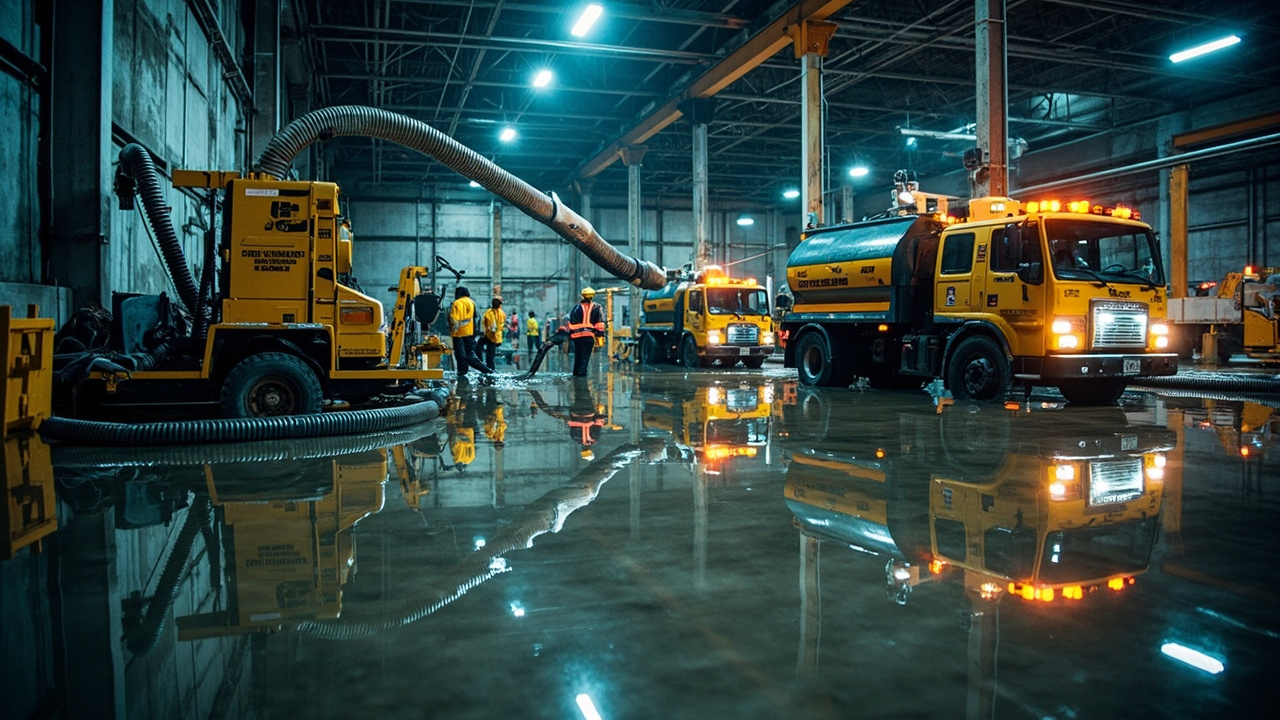
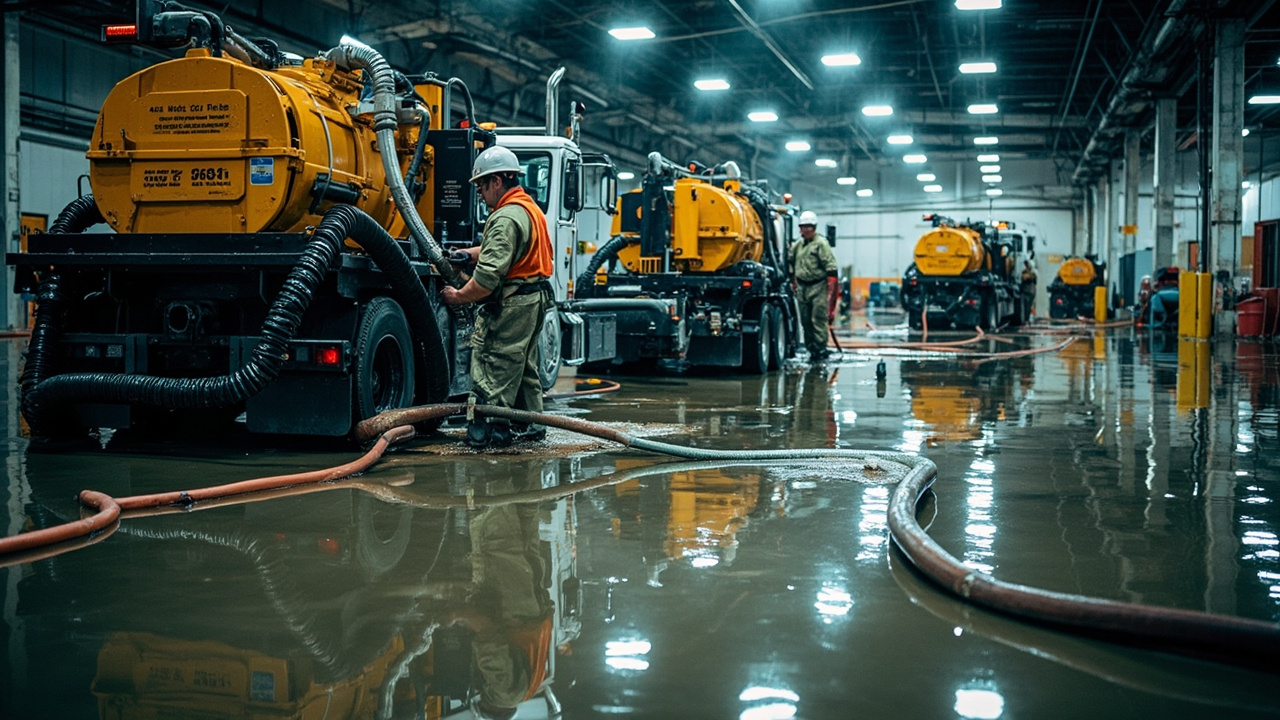
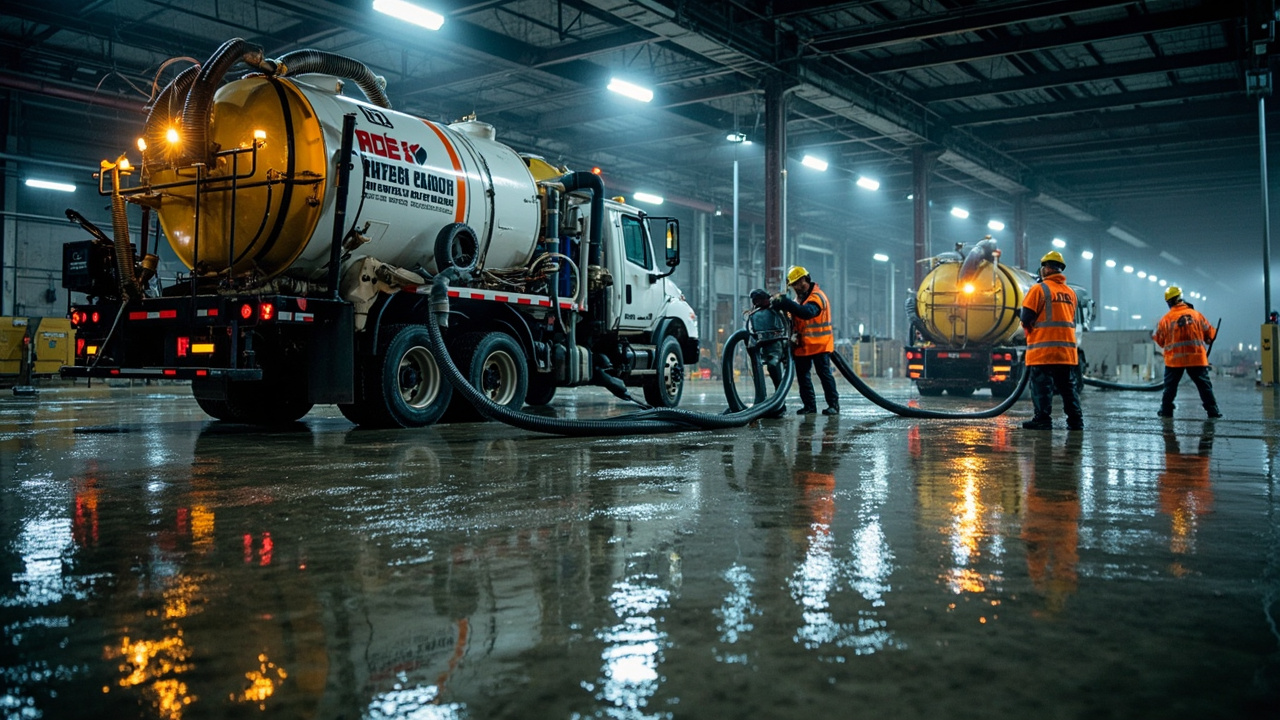
Large loss water mitigation requires industrial water extraction capacity that residential equipment cannot deliver. A flooded manufacturing plant or retail center demands coordinated high volume water pumping across thousands of square feet simultaneously. Standard shop vacs and portable extractors move too slowly. You need truck-mounted extraction units, trailer-mounted pumps, and commercial-grade air movers staged strategically to pull water from low spots, drain lines, and trapped pockets under equipment pads. Cincinnati's mix of older masonry buildings downtown and newer tilt-up construction in suburban industrial parks each present unique drainage challenges. Clay soil common throughout Hamilton County drains poorly, so exterior flooding often intrudes through foundation cracks and loading dock seals. Effective commercial water removal accounts for these local soil and construction variables to prevent secondary saturation and structural compromise.

Why Cincinnati Commercial Properties Need Rapid High Volume Water Removal
How Industrial Water Extraction Protects Your Business Continuity

How Industrial Water Extraction Protects Your Business Continuity

Ace Water Damage Restoration Cincinnati uses a scalable approach to large scale water extraction that prioritizes critical operational zones first. We deploy multiple extraction teams simultaneously to compartmentalize the affected area, isolate clean zones, and establish negative air pressure barriers that prevent cross-contamination into unaffected sections of your facility. This lets you keep portions of your building operational while we execute bulk water removal services in flooded areas.

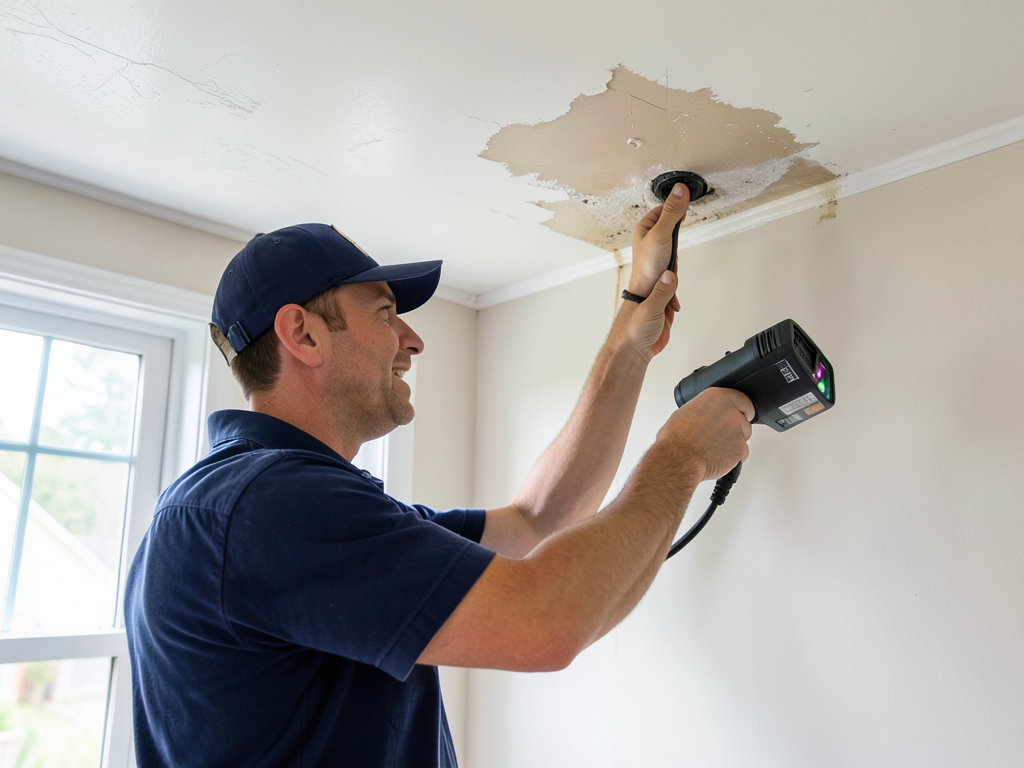
Our truck-mounted extractors generate sustained vacuum pressure that pulls water from carpet, tile grout lines, and concrete pores faster than portable units. For industrial settings with equipment foundations or raised flooring systems, we use submersible pumps paired with weighted hoses to extract trapped water from inaccessible voids. We measure moisture content in structural materials using thermal imaging and pin-type meters, tracking readings across multiple zones to confirm extraction effectiveness before we move to drying protocols.

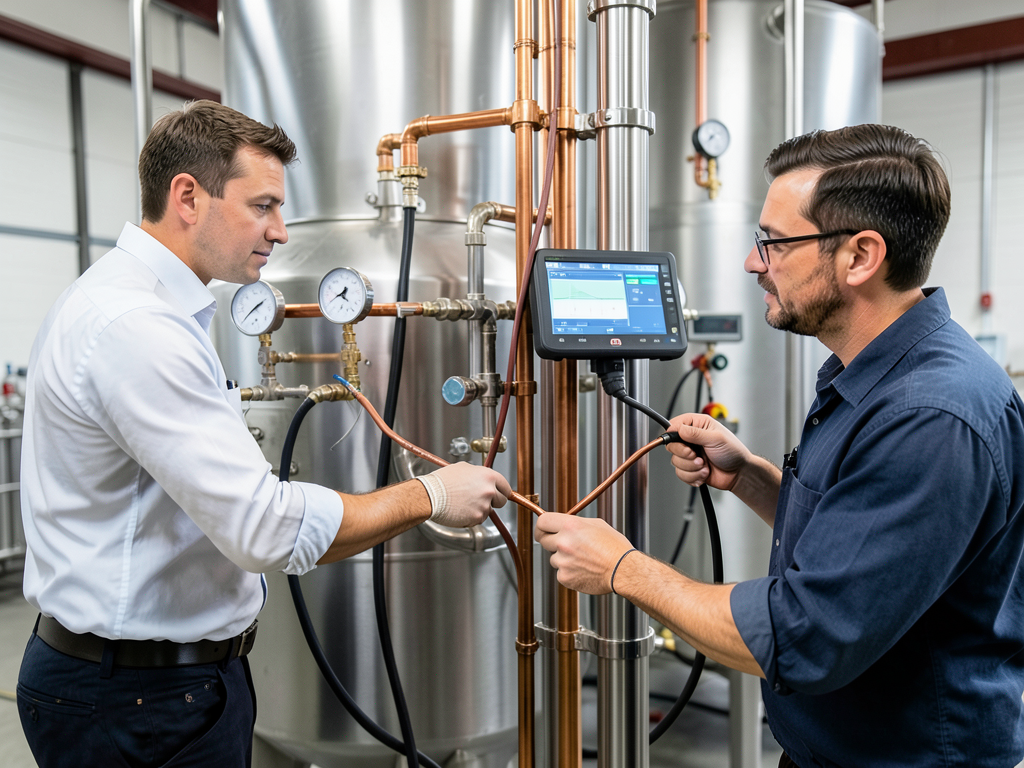
High volume water pumping alone does not complete mitigation. After extraction, we position commercial dehumidifiers and axial air movers in calculated patterns based on airflow modeling and psychrometric principles. This creates convective drying that pulls moisture from walls, ceilings, and subfloors into the air stream, where dehumidifiers condense and remove it. We document moisture levels daily and adjust equipment staging as readings drop, ensuring you meet the dry standard required for insurance claims and code compliance. The goal is not just water removal but verified structural dryness that prevents mold growth and material degradation.

Our Commercial Water Extraction Workflow

Large Scale Water Extraction in Cincinnati – Industrial-Grade Solutions That Minimize Downtime
01

Site Assessment and Staging

We arrive onsite within hours, assess water source, contamination category, and affected square footage. Our project manager maps extraction zones, identifies electrical hazards, and stages truck-mounted pumps and trailer units at loading docks or access points closest to flooded areas. We coordinate with your facility manager to isolate power and establish safe work zones that comply with OSHA standards for confined space and slip hazards.
02

Extraction and Moisture Mapping

Multiple extraction technicians deploy weighted hoses, submersible pumps, and portable extractors across the site. We remove bulk standing water first, then target trapped moisture in floor cavities, under equipment pads, and within wall assemblies. Thermal imaging cameras identify hidden moisture pockets behind finished surfaces. We document baseline moisture readings in structural materials and photograph affected inventory for insurance documentation and loss verification.
03

Drying and Verification

After extraction, we position industrial dehumidifiers and air movers in optimized layouts to accelerate evaporation. Technicians monitor temperature, humidity, and material moisture content daily, adjusting equipment placement as conditions change. We continue drying until moisture readings return to pre-loss levels, verified by calibrated meters. Final documentation includes moisture logs, equipment runtime reports, and photo evidence that satisfy insurance adjusters and support your claim for business interruption coverage.

Why Cincinnati Businesses Choose Ace Water Damage Restoration for Large Loss Events

Commercial water damage in Cincinnati requires knowledge of local building construction and municipal code enforcement. Many of the older industrial buildings in neighborhoods like Camp Washington and Queensgate feature solid masonry walls and cast iron drainage systems that complicate water extraction. Newer facilities in Blue Ash and Mason use metal stud framing and synthetic stucco exteriors that trap moisture differently. We adapt extraction methods and drying protocols to match the construction type, age, and materials present in your specific building.

Our team understands Hamilton County's permitting requirements for structural drying in commercial occupancies. If your facility houses sensitive equipment, temperature-controlled inventory, or requires continuous environmental monitoring, we coordinate with your insurance carrier and risk management team to document compliance. We work with local industrial hygienists and environmental consultants when contamination from sewer backups or chemical exposure requires specialized testing and remediation beyond standard water extraction.

Ace Water Damage Restoration Cincinnati maintains relationships with commercial property managers, insurance adjusters, and risk consultants throughout the greater Cincinnati metro. We provide detailed loss documentation, moisture mapping reports, and equipment logs that satisfy carrier requirements and support your claim. Our project managers communicate directly with your leadership team, providing daily updates on extraction progress, estimated completion timelines, and any scope changes that affect cost or schedule. We prioritize transparency and accountability because we know unplanned downtime damages more than just your property. It disrupts your customers, employees, and revenue stream.

What to Expect When You Call for Emergency Commercial Water Extraction

Rapid Mobilization and Equipment Deployment

We dispatch crews and equipment within two hours of your call. For large loss events affecting 10,000 square feet or more, we mobilize multiple teams with trailer-mounted extractors, truck-mounted vacuum units, and portable pumps. Our project manager arrives first to assess the scope, identify safety hazards, and coordinate staging with your facility team. We work around the clock until bulk water is removed and drying equipment is operational. Speed matters because every hour of delay increases secondary damage, mold risk, and business interruption costs. We stay onsite until your property reaches verified dry standards.

Comprehensive Damage Documentation and Moisture Assessment

Our initial assessment includes thermal imaging, moisture meter readings, and photographic documentation of all affected areas. We categorize water contamination level based on source and exposure risk, which determines cleaning protocols and disposal requirements. You receive a detailed scope of work that outlines extraction zones, equipment placement, estimated drying time, and projected costs. We update this scope daily as conditions change and provide moisture logs that track drying progress across multiple building zones. This documentation supports your insurance claim and provides the evidence adjusters need to authorize payment.

Verified Dry Standards and Structural Integrity

We do not consider the job complete until moisture readings in structural materials return to baseline levels. Our technicians use calibrated pin-type and non-invasive meters to verify dryness in walls, floors, and ceilings. We document final readings and compare them to initial assessments, providing a clear record of successful mitigation. If structural damage requires repair or rebuild, we coordinate with licensed contractors who understand commercial building codes and can restore your facility to pre-loss condition. Our goal is not just water removal but full operational recovery with minimal disruption to your business.

Post-Mitigation Support and Claim Assistance

After extraction and drying, we provide a comprehensive project closeout report that includes all documentation, equipment logs, and moisture readings. This report satisfies insurance carrier requirements and supports your claim for property damage and business interruption. We remain available to answer adjuster questions, provide supplemental documentation, or coordinate with third-party consultants if additional testing is required. Our team has worked with every major commercial insurance carrier active in Cincinnati, and we understand the documentation standards they expect. We handle the technical details so you can focus on getting your operations back online.

Frequently Asked Questions

You Have Questions,
We Have Answers

How to purify water on a large scale? +

Large scale water purification for commercial facilities in Cincinnati involves multi-stage treatment. Begin with screening to remove debris, then use coagulation and flocculation to bind particles. Sedimentation settles solids, followed by filtration through sand or activated carbon. Disinfection with chlorine or UV light kills pathogens. For flooded commercial properties, industrial-grade extraction equipment removes standing water first, then dehumidification prevents microbial growth. Cincinnati's Ohio River proximity and high humidity demand robust water quality protocols. Commercial operations require certified systems meeting EPA standards and local Cincinnati building codes for liability protection and business continuity.

How to remove large amounts of water? +

Removing large water volumes from commercial properties requires truck-mounted extractors and submersible pumps rated for thousands of gallons per hour. Start by identifying the source and stopping inflow. Deploy weighted extractors across affected zones, working from farthest point toward exits. For Cincinnati warehouses or office buildings, basement flooding requires sump pumps with backup power due to regional storm patterns. Industrial wet vacuums handle residual moisture after bulk extraction. Proper drainage prevents structural damage to foundations common in Cincinnati's clay soil conditions. Document all extraction for insurance claims and regulatory compliance.

What is the first step of seven steps large scale treatment of water? +

The first step in large scale water treatment is screening, which removes large debris and solids before processing. For commercial water damage restoration in Cincinnati, the priority shifts to source control. You must stop water intrusion first, whether from burst pipes, roof leaks, or flooding from the Ohio River basin. This prevents continued damage and allows effective extraction. Only after controlling the source can you implement proper removal, drying, and sanitization protocols. Cincinnati's infrastructure age means older commercial buildings face unique challenges with pipe failures and stormwater intrusion requiring immediate professional assessment.

What is the machine that extracts water? +

Commercial water extraction uses truck-mounted extractors, submersible pumps, and portable extraction units. Truck-mounted systems deliver 200-plus horsepower for rapid removal from large commercial spaces. Submersible pumps handle deep standing water in basements and parking structures. Portable extractors with weighted heads apply pressure to carpeting and flooring materials. Cincinnati commercial properties benefit from heated extraction units during cold months when the Ohio Valley experiences freeze-thaw cycles. Industrial air movers and dehumidifiers complement extraction equipment. Professional-grade machines meet IICRC standards for commercial restoration, ensuring thorough moisture removal and preventing mold growth in high-humidity environments.

How to purify 100 gallons of water? +

Purifying 100 gallons requires scaling residential methods to commercial volume. Use a two-stage approach with filtration and disinfection. Install a sediment pre-filter, then carbon filtration to remove chemicals and odors. For disinfection, add chlorine bleach (8 drops per gallon equals 800 drops total) or use UV sterilization systems for chemical-free treatment. Boiling works but demands significant fuel for this volume. Cincinnati municipal water already meets EPA standards, but commercial facilities with private wells or emergency water storage need testing for contaminants specific to regional agricultural runoff and industrial discharge affecting local groundwater.

Can you drink any water with LifeStraw? +

LifeStraw filters remove bacteria, parasites, and microplastics from freshwater sources but cannot purify heavily contaminated floodwater or water with chemicals, heavy metals, or viruses. For Cincinnati commercial properties facing water damage, LifeStraw is not appropriate for large scale restoration. Floodwater from the Ohio River or sewage backups contains hazardous contaminants requiring professional remediation. Commercial facilities need industrial extraction, antimicrobial treatment, and structural drying. LifeStraw serves emergency personal use only. Your business continuity depends on certified restoration protocols, not consumer filtration devices. Professional equipment addresses contamination risks and liability concerns for commercial operations.

How Cincinnati's Ohio River Valley Climate Increases Commercial Water Damage Risk

Cincinnati's location in the Ohio River valley creates year-round humidity that averages 70 percent, with summer months frequently exceeding 80 percent. This persistent moisture accelerates mold growth and material degradation after water intrusion events. Commercial buildings with large HVAC systems, flat roofs, and below-grade storage areas face elevated risk from condensation, roof membrane failures, and groundwater seepage. Clay soil throughout Hamilton County expands when wet and contracts when dry, which stresses foundation walls and creates cracks that allow water infiltration during heavy rain. Industrial facilities near the Mill Creek and Little Miami River floodplains experience periodic flooding that requires immediate high volume water pumping to prevent inventory loss and equipment damage.

Ace Water Damage Restoration Cincinnati understands the structural challenges of commercial buildings across Hamilton County. We have extracted water from warehouses in Sharonville, office complexes in Blue Ash, and manufacturing plants in Norwood. Our team knows which buildings have outdated drainage systems, which construction types dry faster, and how local building inspectors interpret code requirements for structural drying. When you hire a local contractor with site-specific knowledge, you avoid delays, reduce costs, and get back to business faster. We respond to your facility with equipment and expertise calibrated for Cincinnati's climate and construction patterns.
Water Damage Restoration Services in The Cincinnati Area

We are proud to serve the entire Cincinnati area, providing expert water damage restoration services wherever and whenever they are needed. We understand the unique challenges our local community faces and are committed to being there for our neighbors. View our service area on the map to see how we can assist you, or simply give us a call for immediate dispatch to your location.

Address:
Ace Water Damage Restoration Cincinnati, 1507 Dana Ave, Cincinnati, OH, 45207

Additional Services We Offer

Our news updates

Latest Articles & News from The Blogs

Finding the Source of a Slab Leak in Your Mack Home Slab leaks in Mack OH homes are more than…

Finding the Source of a Slab Leak in Your Mack Home

Finding the Source of a Slab Leak in Your Mack Home Slab leaks in Mack OH homes are more than…

What to Do When Your Water Heater Bursts in Madisonville

Emergency Water Heater Burst Cleanup in Madisonville, Cincinnati \n\n A water heater burst in Madisonville creates immediate flooding that can…

Salvaging Important Paper Documents and Photos After an Amberley Village Flood

Salvaging Important Paper Documents and Photos After an Amberley Village Flood When floodwaters rush through Amberley Village basements, the damage…

Contact Us

Every minute of downtime costs revenue. Call Ace Water Damage Restoration Cincinnati now at (513) 717-2522 for immediate dispatch of industrial water extraction equipment and trained crews. We respond 24 hours a day to large loss events across the Cincinnati metro.