




Menu

Crawl Space Cleanup & Encapsulation in Cincinnati – Eliminate Moisture, Mold, and Structural Damage for Good

Comprehensive crawl space cleanup and encapsulation protects your Cincinnati home from chronic moisture intrusion, wood rot, and indoor air quality problems caused by our humid climate and seasonal flooding.

Slider Image 1
Slider Image 2
Slider Image 3
Slider Image 4
Slider Image 5
Slider Image 7
Slider Image 8
Slider Image 9
Slider Image 10
Slider Image 11

Why Cincinnati Crawl Spaces Fail Without Professional Remediation

Cincinnati's humidity levels spike above 70% for six months each year. That moisture seeps directly into vented crawl spaces, condensing on cool surfaces and soaking into floor joists. Add in the clay soil that surrounds most foundations in neighborhoods like Mount Adams and Hyde Park, and you get poor drainage that pushes groundwater toward your foundation walls. The result is standing water, mold colonization, and wood decay that threatens structural integrity.

Most crawl spaces in Cincinnati were built with vented designs that made sense decades ago but now create more problems than they solve. Vents allow humid summer air to flood the space, raising relative humidity to levels where mold thrives. Winter vents let freezing air under your floors, spiking heating costs and risking frozen pipes.

You might notice musty odors rising through your floorboards, sagging floors above the crawl space, or visible mold on exposed wood. These are not cosmetic issues. Mold spores circulate through your HVAC system. Wet wood attracts termites and powder post beetles. Structural beams lose load-bearing capacity as moisture content rises above 19%.

Crawl space waterproofing and crawl space sealing services address the root causes. Crawl space remediation removes contaminated materials and treats mold growth. Crawl space vapor barrier installation creates a moisture barrier between the ground and your living space. Crawl space restoration returns the area to a dry, stable condition that protects your home's value and your family's health. Without professional intervention, the damage compounds every season.

Why Cincinnati Crawl Spaces Fail Without Professional Remediation
How Professional Crawl Space Encapsulation Stops Moisture Damage

How Professional Crawl Space Encapsulation Stops Moisture Damage

Crawl space encapsulation transforms a wet, vented space into a controlled, dry environment. The process starts with water extraction using commercial-grade pumps to remove standing water. We then strip out damaged insulation, remove mold-contaminated materials, and treat all wood surfaces with antimicrobial agents that kill active mold and prevent regrowth.

Next comes the installation of a drainage system if groundwater intrusion is present. We route water away from the foundation using perimeter drains and sump pumps. This step is critical in Cincinnati's clay soil, which holds water against foundation walls rather than allowing natural drainage.

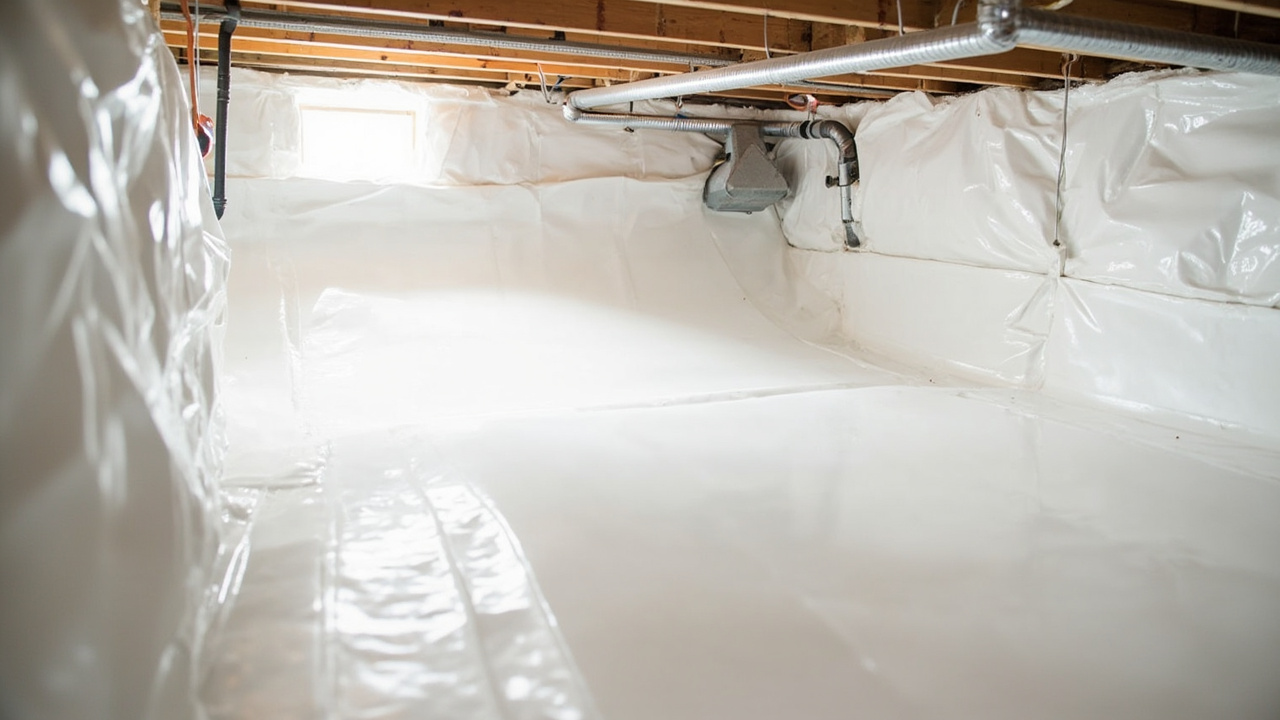
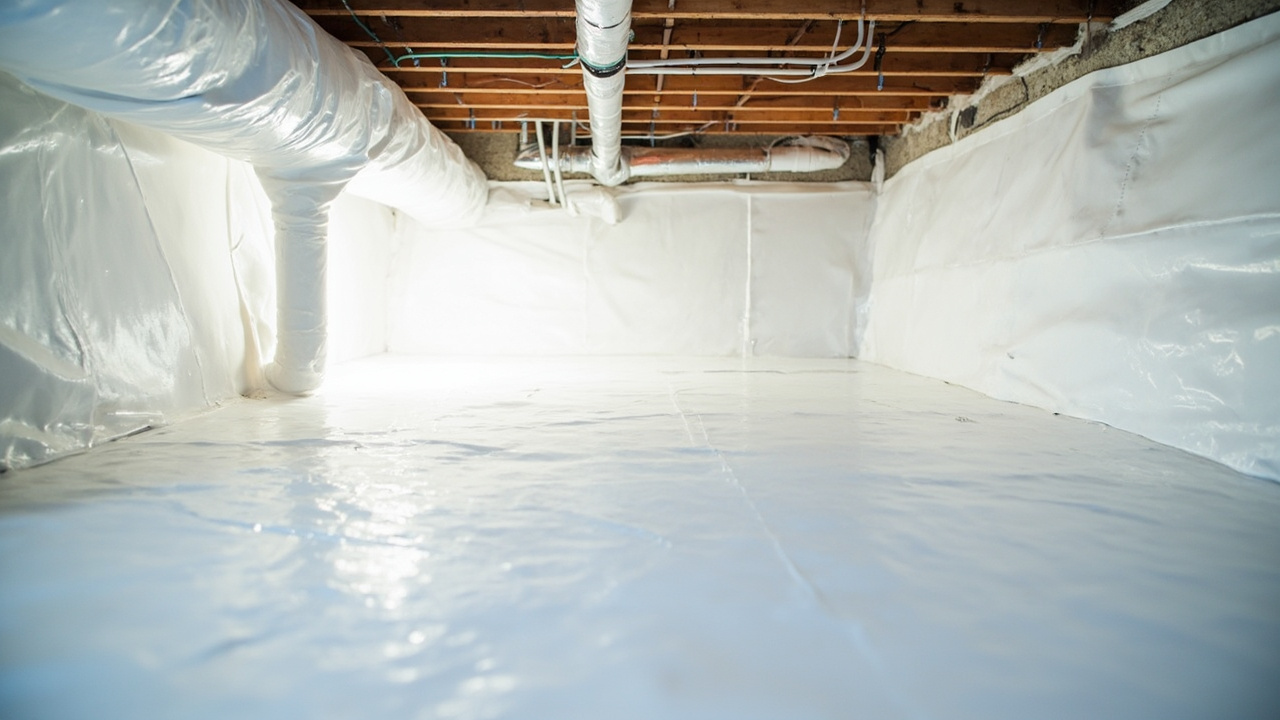
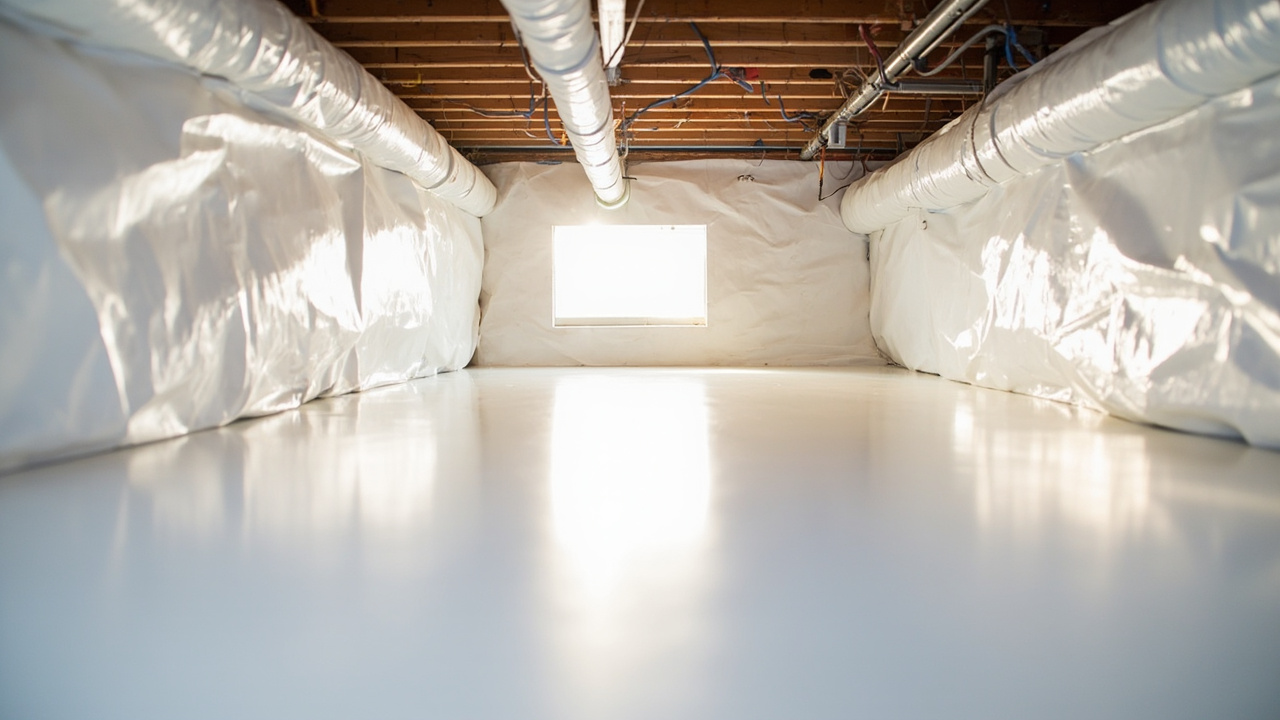
The crawl space vapor barrier installation is the core defense. We install a 10-mil or thicker reinforced polyethylene barrier across the entire floor, sealed at all seams and edges. The barrier extends up foundation walls and around piers, creating a continuous moisture barrier. This prevents soil moisture from evaporating into the crawl space air, which is the primary source of humidity in most Cincinnati homes.

We seal all vents permanently. Vented crawl spaces were standard practice decades ago, but building science now confirms that sealed crawl spaces perform better in humid climates. Sealing vents stops outside air from introducing moisture during summer months and cold drafts during winter.

Finally, we install a commercial dehumidifier sized to the space. This maintains relative humidity below 55%, the threshold where mold cannot grow. The dehumidifier runs automatically, protecting your investment year-round. Ace Water Damage Restoration Cincinnati uses equipment designed for crawl space environments, built to handle dust and temperature fluctuations without failure.

What Happens During Your Crawl Space Encapsulation Project

Crawl Space Cleanup & Encapsulation in Cincinnati – Eliminate Moisture, Mold, and Structural Damage for Good
01

Initial Inspection and Testing

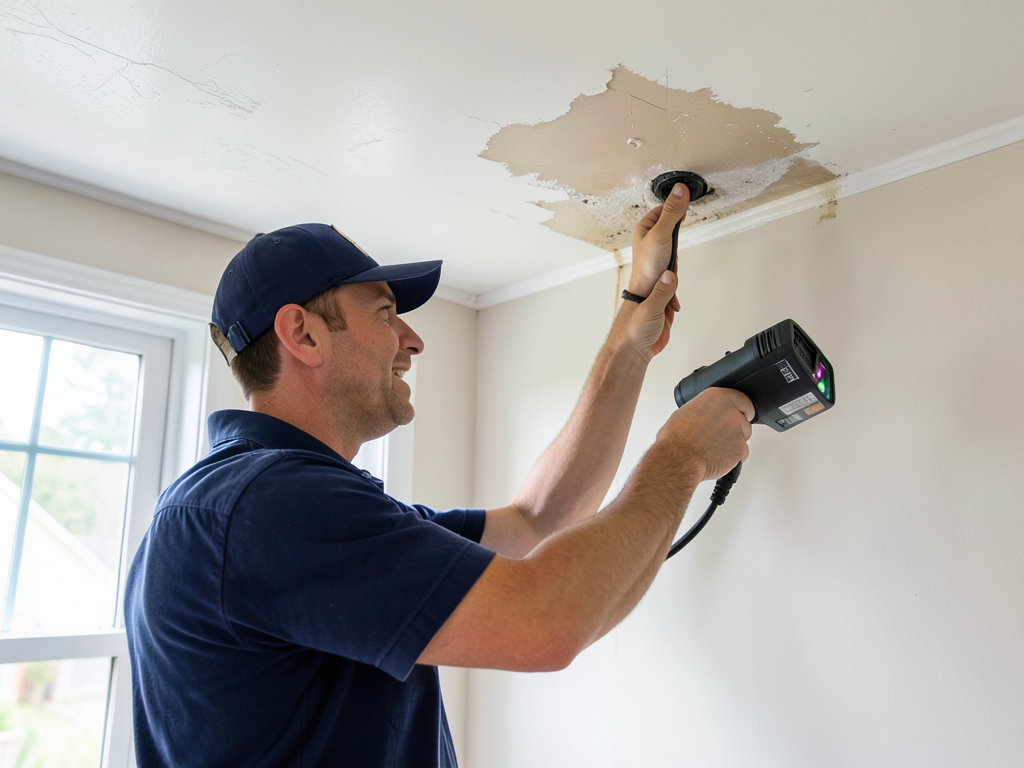
We access your crawl space and document all moisture sources, structural damage, and mold growth. Moisture meters measure wood moisture content in floor joists and sill plates. We test for standing water, identify plumbing leaks, and assess foundation wall dampness. Thermal imaging reveals hidden moisture intrusion patterns. This diagnostic phase determines the scope of crawl space remediation and waterproofing required. You receive a detailed assessment with photos and moisture readings before work begins.
02

Cleanup and Barrier Installation

We extract all standing water and remove contaminated insulation and debris. Mold-affected wood receives HEPA vacuuming and antimicrobial treatment. If structural damage is present, we repair or sister damaged joists. The crawl space vapor barrier installation follows, with reinforced polyethylene sealed at all seams using mechanical fasteners and tape. The barrier extends up walls and around all penetrations. We seal foundation vents with foam board and mechanical fasteners to eliminate outside air intrusion permanently.
03

Dehumidification and Final Verification

We install a self-draining dehumidifier with an external condensate pump that routes water out of the crawl space. The unit is mounted to prevent floor contact and wired to a dedicated circuit. We run the system for 48 hours and measure humidity levels throughout the space to confirm consistent performance. You receive instructions for monitoring the system and annual maintenance recommendations. Final moisture readings document the improvement, typically showing a drop from 70-80% relative humidity to below 50%.

Why Cincinnati Homeowners Choose Ace Water Damage Restoration for Crawl Space Services

Cincinnati's building stock includes homes built from the 1800s through modern construction. Each era presents different crawl space challenges. Older homes in neighborhoods like Clifton and Northside have stone foundations with minimal waterproofing. Mid-century homes in areas like Finneytown have shallow crawl spaces with poor access. Modern homes in Mason and West Chester often have better foundation design but still suffer from humidity problems due to inadequate ventilation strategies.

Ace Water Damage Restoration Cincinnati has worked in all these scenarios. We know that clay soil requires different drainage solutions than sandy loam. We understand that stone foundations need interior drainage because exterior waterproofing is impractical. We recognize that some crawl spaces need structural repair before encapsulation can proceed safely.

Local building codes in Hamilton County govern crawl space modifications. We ensure all work meets code requirements for ventilation, insulation, and moisture control. This compliance protects your home's insurability and resale value. Inspectors recognize properly executed encapsulation work, which prevents delays during home sales.

We use crawl space restoration methods that address Cincinnati's specific climate challenges. Our dehumidifiers are sized for spaces that reach 90°F in summer and drop below freezing in winter. The vapor barriers we install resist punctures from sharp gravel common in local soils. Our antimicrobial treatments are EPA-registered and effective against the mold species most prevalent in Ohio's humidity.

You work directly with technicians who will perform the work. We do not subcontract crawl space services. Our crews have completed hundreds of encapsulation projects across Greater Cincinnati. They carry the specialized equipment needed for confined spaces, including low-profile pumps, confined space ventilation fans, and moisture meters calibrated for wood and concrete.

What to Expect From Your Crawl Space Encapsulation Project

Project Timeline and Access Requirements

Most crawl space encapsulation projects take two to four days, depending on space size and damage severity. Cleanup and mold remediation add time if contamination is extensive. We schedule work consecutively to minimize disruption. You provide access to the crawl space entry point, which may be inside your home or through an exterior foundation vent. We protect flooring and work areas with plastic sheeting and runner mats. Some noise is unavoidable during cleanup and dehumidifier installation, but we contain dust using HEPA filtration. Projects requiring structural repair or significant mold remediation may extend beyond four days. We provide a detailed timeline during the initial assessment.

The Initial Crawl Space Assessment

Your assessment appointment takes 45 to 90 minutes. A technician enters the crawl space with moisture meters, thermal imaging equipment, and inspection cameras. We measure wood moisture content in multiple locations, checking floor joists, sill plates, and subfloor sheathing. Foundation walls are tested for dampness. We identify all moisture sources, including groundwater seepage, plumbing leaks, HVAC condensate discharge, and vapor intrusion from soil. Photos document existing conditions. You receive a written report explaining all findings, recommended repairs, and a detailed cost breakdown for crawl space waterproofing and encapsulation. The assessment includes measurements for vapor barrier material and dehumidifier sizing calculations.

The Quality of Your Finished Crawl Space

A properly encapsulated crawl space is dry, clean, and sealed. The vapor barrier covers 100% of the floor area with no gaps or unsealed seams. All foundation vents are permanently sealed from inside and outside. The dehumidifier maintains relative humidity between 45% and 55% automatically. You will notice improved indoor air quality within days as musty odors dissipate. Floor temperatures above the crawl space become more consistent, often reducing heating and cooling costs by 10% to 15%. Wood moisture content drops below 16%, preventing mold regrowth and stopping active wood rot. The space becomes usable for storage without risk of moisture damage to stored items. Structural stability improves as floor joists dry and regain strength.

Ongoing Maintenance and Monitoring

Dehumidifiers require filter cleaning every three months and annual maintenance checks. We provide instructions for basic upkeep and offer annual service visits to inspect the system, clean coils, and verify proper operation. The vapor barrier requires no maintenance but should be inspected annually for damage from pest activity or accidental punctures. We recommend annual moisture readings in floor joists to confirm the system continues controlling humidity effectively. Most crawl space encapsulation systems perform well for 15 to 20 years before vapor barriers need replacement. Dehumidifiers typically last 8 to 12 years with proper maintenance. We offer maintenance plans that include annual inspections, filter changes, and priority service if problems develop. These plans help protect your investment and catch small issues before they become major problems.

Frequently Asked Questions

You Have Questions,
We Have Answers

How much does it typically cost to encapsulate a crawl space? +

Crawl space encapsulation costs vary based on square footage, moisture severity, and materials used. Factors include vapor barrier thickness, insulation type, dehumidifier needs, and existing damage repairs. Cincinnati homes often face higher humidity levels due to Ohio River proximity, which can increase dehumidification requirements. Older homes near Historic Districts may need additional structural work before encapsulation. Size matters most. A small crawl space runs less than a larger area. Expect costs to reflect cleaning, debris removal, vapor barrier installation, and optional upgrades like sump pumps or drainage systems. Get a detailed inspection to understand your specific needs.

Is it worth it to encapsulate a crawlspace? +

Yes. Encapsulation protects your Cincinnati home from chronic moisture issues common in our climate. High humidity from the Ohio River basin and seasonal freeze-thaw cycles create perfect conditions for mold, wood rot, and structural damage. Encapsulation reduces energy bills by sealing air leaks, improves indoor air quality by blocking mold spores, and prevents pest infestations. For homes in flood-prone neighborhoods near Mill Creek or the Little Miami River, encapsulation adds critical moisture control. The investment pays back through lower utility costs, fewer repairs, and better resale value. It solves problems before they become expensive disasters.

What is included in crawl space encapsulation? +

Complete encapsulation includes debris and contamination removal, grading for proper drainage, heavy-duty vapor barrier installation across floors and walls, sealing all vents and openings, insulation application, and dehumidifier installation. Many Cincinnati projects add sump pumps due to our clay soil and water table issues. The process creates a controlled environment that blocks ground moisture, prevents air leaks, and stops mold growth. Quality encapsulation uses thick, reinforced liners that resist tears and punctures. Proper installation seals every seam and penetration. The goal is transforming your crawl space into a clean, dry, conditioned zone that protects your home's foundation and air quality.

Is it worth it to clean a crawl space? +

Absolutely. Cleaning removes mold, rodent droppings, insulation debris, and standing water that compromise your home's air quality and structural integrity. Cincinnati's humidity accelerates mold growth in neglected crawl spaces. Contaminated spaces send airborne particles into your living areas through the stack effect, affecting respiratory health. Cleaning before encapsulation ensures the vapor barrier seals in a clean environment, not existing problems. It also allows inspection of joists, beams, and foundation walls for damage. Skipping cleanup means trapping moisture, mold spores, and odors under the barrier. A clean crawl space is the foundation for effective, long-lasting encapsulation and a healthier home.

What are the negatives of crawl space encapsulation? +

The main drawback is upfront cost. Encapsulation requires investment in materials, labor, and equipment like dehumidifiers. Improper installation can trap moisture against foundation walls if drainage is not addressed first, potentially worsening problems. Cincinnati's clay soil can create hydrostatic pressure that needs exterior drainage solutions before encapsulation works effectively. Some homeowners dislike losing crawl space ventilation, though conditioned encapsulation is superior moisture control. If you skip professional installation and attempt DIY, you risk inadequate sealing that wastes money. Finally, encapsulation is not a Band-Aid. It requires fixing existing water intrusion sources first. Done correctly, the benefits far outweigh these considerations.

Will insurance cover crawl space encapsulation? +

Standard homeowners insurance typically does not cover encapsulation as a preventive measure. Insurance covers sudden, accidental damage like burst pipes or storm flooding, not maintenance or upgrades. However, if water damage occurs and encapsulation is necessary for restoration, your policy might cover portions related to the covered peril. Always document crawl space conditions after water events. Some Cincinnati insurers offer discounts for encapsulation because it reduces future claims risk. If you experience chronic flooding near the Ohio River or Mill Creek, encapsulation could lower premiums. Check your policy specifics and discuss options with your agent. Consider encapsulation a valuable home investment, not an insurance claim.

What are the downsides of encapsulation? +

Downsides mirror the negatives. Initial costs can be significant depending on crawl space size and damage severity. If you choose thin, cheap vapor barriers, they tear easily and fail quickly. Encapsulation without addressing exterior drainage or grading issues can trap water against your foundation. Cincinnati homes on clay soil need proper water management first. Dehumidifiers require electricity and maintenance, adding ongoing costs. Some contractors cut corners by skipping wall coverage or using inadequate sealing methods. Choosing inexperienced installers leads to wasted money and recurring moisture problems. The solution is working with professionals who understand local soil conditions, drainage patterns, and building science fundamentals specific to the Cincinnati area.

Can I write off crawl space encapsulation? +

Possibly. If encapsulation is part of a medically necessary home modification, you may deduct it as a medical expense on your taxes. For rental properties, encapsulation qualifies as a capital improvement that you depreciate over time or potentially deduct as a repair. For primary residences, encapsulation generally does not qualify as a deductible expense unless it is part of a documented medical treatment plan for respiratory issues caused by mold. Home office deductions might apply if you have a legitimate business space affected by crawl space air quality. Consult a tax professional familiar with Ohio regulations. Keep detailed receipts and documentation for any potential claims.

How much does it cost to insulate a 1000 sq ft crawl space? +

Insulation costs for a 1,000 square foot crawl space depend on insulation type, thickness, and installation complexity. Spray foam costs more than batt insulation but provides superior air sealing and moisture resistance. Cincinnati's freeze-thaw cycles make closed-cell spray foam a smart choice for rim joists and walls. Many encapsulation projects combine insulation with vapor barriers and dehumidifiers, increasing total investment. Older homes near Hyde Park or Mount Adams may need additional prep work due to irregular joist spacing or previous water damage. Insulation alone addresses only part of moisture control. Complete encapsulation with proper insulation creates the most effective, energy-efficient solution for your crawl space.

Can mice get into encapsulated crawl space? +

Mice can enter if encapsulation is not sealed properly. Rodents squeeze through gaps as small as a quarter inch. Quality encapsulation seals all vents, foundation cracks, pipe penetrations, and rim joist gaps to block entry points. The vapor barrier itself does not stop mice, but the comprehensive sealing process does. Cincinnati homes near wooded areas or older neighborhoods face higher rodent pressure. Inspect for existing infestations before encapsulation and eliminate food sources. Seal exterior openings where utilities enter. If rodents are already present, address the infestation first. Proper encapsulation combined with pest control creates a barrier that keeps mice out and protects your crawl space long-term.

How Cincinnati's Clay Soil and Seasonal Flooding Make Crawl Space Encapsulation Essential

Cincinnati sits on a foundation of clay-rich soil that expands when wet and contracts when dry. This cycle creates hydrostatic pressure against foundation walls, pushing moisture into crawl spaces through cracks and porous concrete. Neighborhoods near the Mill Creek and Little Miami River experience seasonal water table rises that flood crawl spaces during spring thaws and heavy rain events. The freeze-thaw cycle common to our winters creates foundation movement that opens new entry points for water each year. Crawl space waterproofing must account for these pressures. Simple vapor barriers fail without proper drainage systems to relieve hydrostatic pressure and route groundwater away from the foundation.

Hamilton County building codes require crawl space modifications to meet specific ventilation and moisture control standards. Work that does not comply can complicate home sales and insurance claims. Ace Water Damage Restoration Cincinnati stays current with local code requirements and works with inspectors to ensure all encapsulation projects pass review. We understand the importance of documentation for insurance purposes when crawl space damage results from plumbing failures or storm events. Local expertise matters because crawl space conditions vary significantly across Cincinnati's microclimates. Homes in Loveland face different moisture challenges than properties in downtown Cincinnati. We adjust our crawl space sealing services to match your specific location and foundation type.
Water Damage Restoration Services in The Cincinnati Area

We are proud to serve the entire Cincinnati area, providing expert water damage restoration services wherever and whenever they are needed. We understand the unique challenges our local community faces and are committed to being there for our neighbors. View our service area on the map to see how we can assist you, or simply give us a call for immediate dispatch to your location.

Address:
Ace Water Damage Restoration Cincinnati, 1507 Dana Ave, Cincinnati, OH, 45207

Additional Services We Offer

Our news updates

Latest Articles & News from The Blogs

Finding the Source of a Slab Leak in Your Mack Home Slab leaks in Mack OH homes are more than…

Finding the Source of a Slab Leak in Your Mack Home

Finding the Source of a Slab Leak in Your Mack Home Slab leaks in Mack OH homes are more than…

What to Do When Your Water Heater Bursts in Madisonville

Emergency Water Heater Burst Cleanup in Madisonville, Cincinnati \n\n A water heater burst in Madisonville creates immediate flooding that can…

Salvaging Important Paper Documents and Photos After an Amberley Village Flood

Salvaging Important Paper Documents and Photos After an Amberley Village Flood When floodwaters rush through Amberley Village basements, the damage…

Contact Us

Do not let crawl space moisture damage your home's structure and indoor air quality. Call Ace Water Damage Restoration Cincinnati at (513) 717-2522 for a comprehensive assessment. We provide detailed moisture testing, photo documentation, and clear pricing with no hidden fees.