




Hamilton sits in the Great Miami River Valley, where spring flooding and heavy rainfall create constant water intrusion risks for properties across the city. Homes in the Historic German Village and neighborhoods near the river experience basement flooding during seasonal storms. The older housing stock throughout Hamilton's west side includes basements built before modern waterproofing standards, making them vulnerable to seepage through foundation walls.
The freeze-thaw cycles common to southwest Ohio stress aging pipes in Hamilton's established neighborhoods like Lindenwald and Rossville. When temperatures drop below freezing and then spike back up, pipes burst without warning, flooding finished basements and damaging drywall, flooring, and personal belongings. The humid summer climate accelerates mold growth after water events, giving Hamilton property owners a narrow window to dry out structures before secondary damage sets in.
Hamilton's mix of Victorian-era homes and mid-century construction means aging plumbing systems, deteriorating basement seals, and outdated drainage systems that fail during heavy rain. Properties near the Great Miami River Recreation Trail and along the riverfront face elevated flood risk during spring runoff. When water enters your Hamilton home, you have 24 to 48 hours to extract it and begin drying before permanent damage occurs.
Ace Water Damage Restoration Cincinnati has served Hamilton and Butler County for over a decade, responding to water emergencies across every neighborhood from downtown's historic district to the residential areas near Miami University Hamilton. We know the flood patterns along the Great Miami River, the basement vulnerabilities in Hamilton's older housing stock, and the insurance claim process inside and out because we work these cases every day.
Our crews live and work in the greater Cincinnati metro area, which means we reach Hamilton properties fast. When you call our emergency line, we dispatch immediately with truck-mounted extraction equipment, commercial dehumidifiers, and moisture detection tools. We don't schedule appointments days out. We stop the damage now, then create a restoration plan based on what your property needs and what your insurance covers.
We handle the insurance documentation from day one. Our team photographs damage, measures moisture levels in walls and flooring, and provides your adjuster with detailed loss reports. We know what State Farm, Nationwide, and other major carriers require for water damage claims, and we make sure your documentation is complete before the adjuster arrives. Most Hamilton homeowners don't know what their policy covers until disaster hits. We walk you through coverage limits, deductibles, and what restoration work qualifies under your policy terms.
Our restoration process follows IICRC S500 Water Damage Standards, the industry protocol for proper water extraction and structural drying. We don't just remove standing water and leave. We monitor moisture levels in framing, subfloors, and wall cavities until readings return to normal. This prevents mold growth and structural rot that shows up weeks later if the drying process gets rushed or cut short.

We dispatch to Hamilton properties within one hour of your emergency call, day or night. Our crews arrive with truck-mounted extraction equipment and begin water removal immediately. Fast response limits damage spread and reduces total restoration costs. Every minute counts when water is actively damaging your property.

We bill your insurance company directly and handle all claim documentation. Our team photographs damage, creates moisture maps, and provides detailed estimates that meet carrier requirements. You don't pay out of pocket and wait for reimbursement. We work with your adjuster to get your claim approved and processed efficiently.
Our water damage technicians hold IICRC Water Restoration Technician certification and follow industry standards for extraction, drying, and moisture control. We use thermal imaging cameras to detect hidden moisture in wall cavities and monitor humidity levels throughout the drying process. Proper technique prevents mold growth and secondary damage that appears after amateur cleanup.
We know Hamilton's flood zones, the basement vulnerabilities in older neighborhoods, and the plumbing issues common to the area's housing stock. Our crews have restored properties across every district in Hamilton and understand the specific water damage risks that affect homes near the Great Miami River and throughout Butler County.
Ace Water Damage Restoration Cincinnati provides emergency water removal, structural drying, and full property restoration for Hamilton homes and businesses. Water damage happens fast, but the restoration process requires careful attention to moisture levels, drying protocols, and rebuilding standards. We handle everything from initial extraction through final repairs so you work with one company instead of coordinating multiple contractors.
Our service range covers emergency flood response, sewage backup cleanup, storm damage restoration, and reconstruction of water-damaged structures. We extract standing water, dry out building materials, remove contaminated materials, treat for mold prevention, and rebuild affected areas. Whether you're dealing with a burst pipe in your finished basement or river flooding that damaged your first floor, we have the equipment and expertise to restore your property completely.
Each water damage situation requires a different approach based on water source, contamination level, and materials affected. Clean water from a supply line leak needs different handling than sewage backup or river flooding. We assess your specific situation, classify the water category, and deploy the right equipment and protocols for safe, thorough restoration.
Our emergency response teams arrive with truck-mounted extraction equipment capable of removing thousands of gallons per hour. We stop active flooding, extract standing water from all affected areas, and deploy air movers and dehumidifiers to begin structural drying immediately. Speed matters because water migrates through building materials rapidly, spreading damage to unaffected areas. We secure your property, document damage for insurance, and create a drying plan based on moisture readings in walls, floors, and structural framing.
Removing visible water is only the first step. We monitor moisture levels in framing lumber, subfloors, drywall, and insulation using professional moisture meters and thermal imaging cameras. Our commercial-grade dehumidifiers and air movement systems create the controlled environment needed to dry building materials thoroughly without causing warping or secondary damage. We take daily moisture readings and adjust equipment placement until all materials return to normal moisture content, preventing mold growth and structural deterioration.
Once your property is fully dried, our reconstruction team rebuilds damaged areas to pre-loss condition. We replace water-damaged drywall, install new flooring, repair or replace damaged cabinets, and restore basements to finished condition. Our in-house crews handle framing, electrical, plumbing, and finish work so you don't coordinate multiple contractors. We match existing finishes and materials to make repairs blend seamlessly with undamaged areas, returning your Hamilton home to normal.
Hamilton's location in the Great Miami River Valley, combined with aging housing stock and severe weather patterns, creates multiple water damage risks for property owners. Spring flooding affects low-lying neighborhoods near the river. Aging plumbing systems in homes built before 1980 fail without warning. Heavy summer storms overwhelm gutters and foundation drainage systems, pushing water into basements. Winter freeze-thaw cycles burst pipes in unheated spaces.
These aren't rare events. Hamilton experiences seasonal flooding during spring runoff, summer thunderstorms drop several inches of rain in hours, and winter temperatures regularly swing from below freezing to above 40 degrees in a single day. Each weather pattern creates specific water intrusion risks that damage Hamilton homes. Understanding these common problems helps property owners recognize warning signs and respond quickly when water damage occurs.
The most expensive mistakes happen when homeowners try to handle water cleanup themselves or delay calling professionals. Water migrates through building materials rapidly. What starts as a small leak becomes major structural damage when moisture spreads undetected through wall cavities and floor systems. Professional water damage restoration stops this progression and prevents the secondary damage that turns a manageable situation into a total loss.
Properties near the Great Miami River face flooding risk during heavy spring rainfall and rapid snowmelt. River levels rise quickly, overwhelming storm sewers and pushing water into basements through floor drains and foundation cracks. Flood water contains sewage and contaminants requiring specialized cleanup protocols. Delayed response allows floodwater to saturate drywall, insulation, and framing, necessitating complete basement demolition instead of targeted drying.
Hamilton's freeze-thaw winter pattern causes supply line failures in unheated spaces like crawlspaces, attics, and exterior walls. Pipes freeze when temperatures drop, then burst when water thaws and pressure builds. A single burst pipe releases hundreds of gallons before homeowners discover the failure, flooding multiple rooms and saturating structural materials. Frozen pipe prevention and quick response when breaks occur minimize damage.
Heavy rainfall overwhelms Hamilton's combined sewer system, causing sewage to back up through basement floor drains. This category 3 contaminated water requires complete removal of affected materials and antimicrobial treatment of all surfaces. Sewage backup creates health hazards and requires specialized equipment and safety protocols that homeowners lack. Professional remediation protects your family from pathogens and toxins in contaminated floodwater.
Homeowners often remove standing water with shop vacuums but lack the equipment to detect moisture trapped in wall cavities, subfloors, and insulation. This hidden moisture feeds mold growth and causes structural rot that appears weeks or months later. Professional moisture detection using thermal cameras and moisture meters identifies all affected materials, and commercial drying equipment removes moisture completely before mold colonizes damp surfaces.
When you call our emergency line, you reach a live person who dispatches a crew immediately, not an answering service that takes messages. We ask about your situation, provide initial guidance to prevent damage spread, and give you an accurate arrival time. Our trucks carry extraction equipment, drying tools, and moisture detection devices so we start working the moment we arrive.
Your first interaction sets the tone for the entire restoration process. We explain what's happening with your property, what steps we'll take, and what timeline to expect. You won't get confusing technical jargon or vague promises. We communicate clearly about damage extent, restoration approach, and how insurance coverage applies to your situation.
Throughout the restoration process, you'll work with the same project manager who handles communication, answers questions, and coordinates all work crews. You get one phone number to call with concerns, not a rotating cast of different people each time you need an update. We believe water damage is stressful enough without adding communication failures and coordination headaches to the problem.
We commit to a specific arrival time when you call, and we meet that commitment. Our dispatcher provides your cell number to the responding crew so they can call with updates if traffic or another factor affects arrival time. You'll know who's coming, when they'll arrive, and what vehicle they're driving. Once our crew assesses damage, we provide a written timeline for water extraction, drying duration, and restoration completion so you can plan accordingly.
Our crew photographs all damage before starting work, creates detailed room-by-room documentation, and provides moisture maps showing affected areas. We prepare preliminary estimates while on-site and send documentation to your insurance company within 24 hours. You'll receive copies of everything we send to your carrier. We schedule the adjuster inspection, walk them through damage when they arrive, and answer their questions about scope and methodology.
Your project manager contacts you daily with moisture level updates and progress reports during the drying phase. We explain what's happening, how long until the next milestone, and what work happens next. When we encounter unexpected damage or complications, we call immediately with options and recommendations. You never wonder what's happening with your property or when you can move back into affected areas.
We follow a proven three-phase approach that stops damage progression, removes all moisture, and rebuilds your property to pre-loss condition. This systematic process ensures nothing gets missed and restoration meets industry standards.
Our crew arrives with truck-mounted extraction equipment and begins removing standing water immediately. We identify the water source, stop active flooding if possible, and extract water from all affected rooms. Furniture and contents get moved to dry areas or placed on blocks to prevent further damage. We remove soaked carpet padding, drill weep holes in baseboards to release trapped water, and deploy air movers to begin surface drying while extraction continues.
Once standing water is removed, we place commercial dehumidifiers and high-velocity air movers to create optimal drying conditions. We take moisture readings in all affected materials using penetrating and non-penetrating moisture meters. Thermal imaging cameras identify moisture in wall cavities and behind finished surfaces. We document daily moisture levels and adjust equipment placement based on readings. Drying typically takes three to five days depending on materials affected and saturation levels.
After moisture readings return to normal, our reconstruction crews begin repairs. We remove and replace materials too damaged to salvage, including drywall, insulation, flooring, and trim. Our carpenters, electricians, and finish crews rebuild affected areas using quality materials that match your existing finishes. We handle all work in-house so you don't coordinate multiple contractors. Final walkthrough ensures everything meets your expectations before we close your project.
Professional water damage restoration follows IICRC S500 Standard and Reference Guide for Professional Water Damage Restoration, the industry protocol that defines proper assessment, extraction, drying, and restoration procedures. These standards exist because water damage involves complex interactions between moisture, building materials, and environmental conditions. Amateur cleanup fails because it ignores the science of structural drying and moisture migration through porous materials.
The IICRC classifies water damage into three categories based on contamination level. Category 1 is clean water from supply lines, Category 2 is gray water containing contaminants from appliances or fixtures, and Category 3 is black water from sewage or flooding that contains harmful pathogens. Each category requires different safety protocols and disposal procedures. Homeowners who treat sewage backup like a supply line leak expose themselves to serious health risks.
Water damage also gets classified by how deeply moisture has penetrated building materials. Class 1 affects minimal surface area with low moisture absorption. Class 4 involves specialty drying situations like hardwood floors, plaster walls, or concrete that requires advanced equipment. Hamilton's older homes often have plaster walls and hardwood floors that need different drying techniques than modern drywall and carpet. Understanding material science prevents damage during the drying process.
Proper restoration requires monitoring moisture levels until they return to normal ranges defined by industry standards. Wood framing should read below 15 percent moisture content, concrete below 4 percent, and drywall below 1 percent. These aren't arbitrary numbers. They represent the moisture levels where mold growth becomes unlikely and materials regain structural integrity. We take daily readings and adjust dehumidification until all materials meet these standards.
Insurance companies expect restoration contractors to follow IICRC standards because these protocols produce reliable outcomes and prevent fraud. Proper documentation, moisture monitoring logs, and equipment placement photos prove work was completed correctly. This protects homeowners from claim denials and ensures insurance pays for complete restoration instead of partial cleanup.
The IICRC defines three water categories based on contamination. Category 1 clean water comes from broken supply lines. Category 2 gray water comes from dishwashers, washing machines, or toilet overflow without feces. Category 3 black water comes from sewage, river flooding, or any water contaminated with harmful bacteria. Category determines cleanup protocols, safety equipment requirements, and what materials get removed versus dried in place.
Water damage restoration costs depend on water volume, contamination level, materials affected, and how quickly response occurred. Emergency water extraction costs less than reconstruction after delayed drying caused mold growth and structural damage. Category 3 sewage cleanup costs more than supply line leaks because contaminated materials require disposal rather than drying. Square footage, material types, and accessibility affect total project costs significantly.
Structural drying typically takes three to five days under controlled conditions using commercial equipment. Hardwood floors, plaster walls, and concrete require longer drying times than drywall and carpet. High humidity, cold temperatures, or poor airflow extend drying duration. We monitor daily and won't begin reconstruction until moisture readings confirm complete drying. Rushing this phase causes mold growth and material failure weeks after restoration appears complete.
Ohio requires water damage restoration contractors to carry general liability insurance and workers compensation coverage. IICRC certification demonstrates technical competency in water restoration procedures. Insurance companies prefer working with IICRC-certified contractors because proper training reduces claim disputes and ensures work meets industry standards. We maintain all required licensing, insurance, and certifications that protect Hamilton property owners and satisfy carrier requirements.
This video explains professional water damage restoration procedures for Hamilton, Ohio properties. Topics include emergency water extraction methods, structural drying protocols following IICRC S500 standards, moisture detection using thermal imaging and moisture meters, insurance claim documentation requirements, and complete reconstruction processes. Viewers learn about water damage risks specific to Hamilton's Great Miami River Valley location, common causes of residential water damage, and what to expect during professional restoration from initial response through final repairs.
Ace Water Damage Restoration Cincinnati provides emergency water damage services throughout Hamilton and the greater Butler County area. Our response coverage extends across the entire city from the historic German Village downtown to the residential neighborhoods in Lindenwald and Rossville on Hamilton's west side. We regularly respond to water damage calls in the established communities near Miami University Hamilton campus and throughout the neighborhoods surrounding Marcum Park.
Properties near the Great Miami River face unique flooding challenges during spring runoff and heavy summer storms. We've restored dozens of riverfront homes and businesses that experienced basement flooding when river levels exceeded normal ranges. The Victorian-era homes throughout Hamilton's Historic District require specialized restoration techniques because plaster walls, hardwood floors, and pier-and-beam foundations respond differently to water damage than modern construction materials.
Hamilton's neighborhoods north of the city center near the Butler County Fairgrounds and west toward Millville Pike contain mid-century homes with finished basements vulnerable to supply line failures and sewage backup during heavy rainfall. These areas sit in low-lying sections where storm water overwhelms drainage systems, pushing water through basement floor drains. We understand the specific vulnerabilities affecting different parts of Hamilton because we've worked in every neighborhood across the city.
Our service area includes the surrounding Butler County communities of Fairfield, Oxford, West Chester, and Middletown. Properties throughout the Interstate 75 corridor between Hamilton and Cincinnati rely on our rapid response capabilities when water damage occurs. We maintain response capacity to reach any location in Butler County within one hour because water damage doesn't respect city boundaries and neither does our service commitment.
The Great Miami River Recreation Trail area and neighborhoods near Rentschler Forest Metropark experience water damage from multiple sources including river flooding, storm runoff, and aging infrastructure failures. Hamilton's position in the river valley creates drainage challenges that affect properties across the elevation gradient from riverfront to the higher ground on the city's east side. We know which areas flood first, which neighborhoods have combined sewer systems prone to backup, and where aging plumbing infrastructure creates burst pipe risks.
Whether you're in downtown Hamilton near the Fitton Center for Creative Arts, in the residential areas surrounding Hamilton Community Park, or in the developing sections near Hamilton Crossing, we provide the same rapid response and professional restoration services. Water damage doesn't discriminate by neighborhood, and neither do we. Every property deserves fast response, thorough restoration, and respectful service regardless of location or damage extent.
Water damage restoration costs in Hamilton vary based on damage severity, affected square footage, and water type. Minor incidents like a broken pipe might start around a few hundred dollars, while basement flooding or sewage backups can reach several thousand. The restoration process includes water extraction, drying equipment, antimicrobial treatment, and structural repairs. Many Hamilton homeowners use insurance to cover these expenses. The key factor is response time. Waiting increases secondary damage like warped floors and mold growth, which drives up final costs. Get a free inspection to understand your specific situation before damage spreads.
Water damage restoration is absolutely worth it for Hamilton properties. Untreated water damage leads to structural deterioration, mold colonization within 24-48 hours, and decreased home value. What starts as a ceiling stain becomes rotted joists, compromised drywall, and respiratory health risks. Professional restoration stops the damage cycle, prevents mold lawsuits if you rent the property, and protects your investment. Insurance typically covers sudden water events, making professional restoration financially smart. For Hamilton's humid climate, moisture problems compound fast. The cost of restoration is always less than the cost of ignoring structural and health hazards.
Repairing water-damaged floors in Hamilton depends on flooring type and saturation level. Hardwood floors might need sanding and refinishing or complete replacement if buckled. Laminate typically requires full replacement once swollen. Tile floors may only need grout repair, but the subfloor underneath often sustains hidden damage. Carpet and pad usually get removed and replaced. The subfloor is critical. If moisture penetrates to floor joists, structural repairs add to the bill. Quick water extraction within hours can sometimes save flooring materials. Each situation differs based on water source and how long it sat.
Water damage restoration costs in Hamilton vary based on damage severity, affected square footage, and water type. Minor incidents like a broken pipe might start around a few hundred dollars, while basement flooding or sewage backups can reach several thousand. The restoration process includes water extraction, drying equipment, antimicrobial treatment, and structural repairs. Many Hamilton homeowners use insurance to cover these expenses. The key factor is response time. Waiting increases secondary damage like warped floors and mold growth, which drives up final costs. Get a free inspection to understand your specific situation before damage spreads.
Water damage restoration is absolutely worth it for Hamilton properties. Untreated water damage leads to structural deterioration, mold colonization within 24-48 hours, and decreased home value. What starts as a ceiling stain becomes rotted joists, compromised drywall, and respiratory health risks. Professional restoration stops the damage cycle, prevents mold lawsuits if you rent the property, and protects your investment. Insurance typically covers sudden water events, making professional restoration financially smart. For Hamilton's humid climate, moisture problems compound fast. The cost of restoration is always less than the cost of ignoring structural and health hazards.
Repairing water-damaged floors in Hamilton depends on flooring type and saturation level. Hardwood floors might need sanding and refinishing or complete replacement if buckled. Laminate typically requires full replacement once swollen. Tile floors may only need grout repair, but the subfloor underneath often sustains hidden damage. Carpet and pad usually get removed and replaced. The subfloor is critical. If moisture penetrates to floor joists, structural repairs add to the bill. Quick water extraction within hours can sometimes save flooring materials. Each situation differs based on water source and how long it sat.
Response times vary by company and workload. Servpro and similar national franchises typically arrive within 1-4 hours for emergency calls in Hamilton. The full restoration timeline depends on damage extent. Simple water extraction and drying might take 3-5 days. Extensive flooding with structural repairs can take weeks. Equipment runs 24/7 during the drying phase. The company monitors moisture levels daily until readings hit acceptable thresholds. Hamilton's humidity can extend drying times compared to drier climates. Always ask for a project timeline estimate during the initial inspection so you know what to expect.
Insurance coverage for water restoration depends on your policy and the damage cause. Hamilton homeowners with standard policies get coverage for sudden, accidental water events like burst pipes, appliance leaks, or roof storm damage. Insurance excludes gradual damage from neglect, foundation seepage, or flood events requiring separate flood insurance. Sewage backups need specific riders in most policies. Your restoration company can document damage and work directly with adjusters to streamline claims. Always file claims immediately. Delays or attempted DIY fixes can give insurers grounds to deny coverage. Read your policy exclusions carefully.
Water damage costs reflect the complexity of proper restoration. You need industrial-grade extraction equipment, commercial dehumidifiers, air movers, moisture meters, and thermal imaging cameras. Technicians must monitor drying for days, treat for microbial growth, remove contaminated materials, and rebuild structural components. Labor is intensive and requires certification. Hamilton's older housing stock often has hidden moisture in wall cavities and crawl spaces, extending timelines. Water also damages multiple systems at once: flooring, drywall, insulation, electrical, and HVAC. Cutting corners leads to mold and structural failure later, which costs exponentially more to fix.
The average water damage insurance claim in the United States ranges from several thousand to over ten thousand dollars, depending on severity. Hamilton claims reflect national averages but vary widely. A toilet overflow affecting one bathroom sits at the lower end. Basement flooding from sewer backups or failed sump pumps during heavy rains pushes claims higher. Burst pipes in winter freezes can affect multiple floors and systems. Insurance companies calculate payouts based on documented damage, necessary repairs, and policy limits. Keep detailed records and photos. Work with your restoration company to provide thorough documentation for maximum claim recovery.
Mold begins growing within 24 to 48 hours after water exposure in Hamilton's humid environment. Spores exist everywhere and need only moisture, organic material, and warmth to colonize. Drywall, wood framing, carpet, and insulation provide perfect food sources. You might not see visible mold for days or weeks, but microscopic growth starts immediately. This is why emergency water extraction matters. Once mold establishes colonies, remediation becomes a separate project with containment barriers, air scrubbers, and removal of affected materials. Speed is everything. Start drying within hours to prevent mold from taking hold in your property.
Call a water restoration company immediately when you discover standing water, soaked materials, or active leaks you cannot stop. Do not wait to assess the situation yourself. Hamilton homeowners should call for burst pipes, appliance failures, sewage backups, roof leaks during storms, or flooded basements. Even small leaks warrant professional inspection because hidden moisture in walls and subfloors causes long-term problems. If you smell musty odors, see staining, or notice warped floors, call for an assessment. Insurance claim windows are time-sensitive. Quick action protects your property, health, and financial recovery options.
Homeowners insurance typically covers water damage to floors if the cause is sudden and accidental. Hamilton policies cover burst pipes, appliance malfunctions, roof storm damage, and accidental overflows. They exclude gradual damage from leaks you ignored, ground seepage, flooding requiring separate flood insurance, and maintenance neglect. If a pipe freezes and bursts while you are away, your floors are covered. If your basement floods from surface water during heavy rain, you need flood insurance. Sewage backups require specific endorsements. Review your policy declarations page and exclusions. Document everything immediately and file claims fast to maximize coverage.
Response times vary by company and workload. Servpro and similar national franchises typically arrive within 1-4 hours for emergency calls in Hamilton. The full restoration timeline depends on damage extent. Simple water extraction and drying might take 3-5 days. Extensive flooding with structural repairs can take weeks. Equipment runs 24/7 during the drying phase. The company monitors moisture levels daily until readings hit acceptable thresholds. Hamilton's humidity can extend drying times compared to drier climates. Always ask for a project timeline estimate during the initial inspection so you know what to expect.
Insurance coverage for water restoration depends on your policy and the damage cause. Hamilton homeowners with standard policies get coverage for sudden, accidental water events like burst pipes, appliance leaks, or roof storm damage. Insurance excludes gradual damage from neglect, foundation seepage, or flood events requiring separate flood insurance. Sewage backups need specific riders in most policies. Your restoration company can document damage and work directly with adjusters to streamline claims. Always file claims immediately. Delays or attempted DIY fixes can give insurers grounds to deny coverage. Read your policy exclusions carefully.
Water damage costs reflect the complexity of proper restoration. You need industrial-grade extraction equipment, commercial dehumidifiers, air movers, moisture meters, and thermal imaging cameras. Technicians must monitor drying for days, treat for microbial growth, remove contaminated materials, and rebuild structural components. Labor is intensive and requires certification. Hamilton's older housing stock often has hidden moisture in wall cavities and crawl spaces, extending timelines. Water also damages multiple systems at once: flooring, drywall, insulation, electrical, and HVAC. Cutting corners leads to mold and structural failure later, which costs exponentially more to fix.
The average water damage insurance claim in the United States ranges from several thousand to over ten thousand dollars, depending on severity. Hamilton claims reflect national averages but vary widely. A toilet overflow affecting one bathroom sits at the lower end. Basement flooding from sewer backups or failed sump pumps during heavy rains pushes claims higher. Burst pipes in winter freezes can affect multiple floors and systems. Insurance companies calculate payouts based on documented damage, necessary repairs, and policy limits. Keep detailed records and photos. Work with your restoration company to provide thorough documentation for maximum claim recovery.
Mold begins growing within 24 to 48 hours after water exposure in Hamilton's humid environment. Spores exist everywhere and need only moisture, organic material, and warmth to colonize. Drywall, wood framing, carpet, and insulation provide perfect food sources. You might not see visible mold for days or weeks, but microscopic growth starts immediately. This is why emergency water extraction matters. Once mold establishes colonies, remediation becomes a separate project with containment barriers, air scrubbers, and removal of affected materials. Speed is everything. Start drying within hours to prevent mold from taking hold in your property.
Call a water restoration company immediately when you discover standing water, soaked materials, or active leaks you cannot stop. Do not wait to assess the situation yourself. Hamilton homeowners should call for burst pipes, appliance failures, sewage backups, roof leaks during storms, or flooded basements. Even small leaks warrant professional inspection because hidden moisture in walls and subfloors causes long-term problems. If you smell musty odors, see staining, or notice warped floors, call for an assessment. Insurance claim windows are time-sensitive. Quick action protects your property, health, and financial recovery options.
Homeowners insurance typically covers water damage to floors if the cause is sudden and accidental. Hamilton policies cover burst pipes, appliance malfunctions, roof storm damage, and accidental overflows. They exclude gradual damage from leaks you ignored, ground seepage, flooding requiring separate flood insurance, and maintenance neglect. If a pipe freezes and bursts while you are away, your floors are covered. If your basement floods from surface water during heavy rain, you need flood insurance. Sewage backups require specific endorsements. Review your policy declarations page and exclusions. Document everything immediately and file claims fast to maximize coverage.
We are proud to serve the entire Cincinnati area, providing expert water damage restoration services wherever and whenever they are needed. We understand the unique challenges our local community faces and are committed to being there for our neighbors. View our service area on the map to see how we can assist you, or simply give us a call for immediate dispatch to your location.
Address:
Hamilton, OH, 45013
How Invasive Tree Roots Can Cause Your Older Woodlawn Sewer Line to Backup Tree roots can infiltrate your sewer line without warning causing sewage to back up into your basement or yard. In Woodlawn where…
Why the Paint on Your Ceiling is Bubbling or Peeling and How to Fix It…
Water Damage Prevention Tips for Craft Breweries and Distilleries in Over-the-Rhine Craft breweries and distilleries…
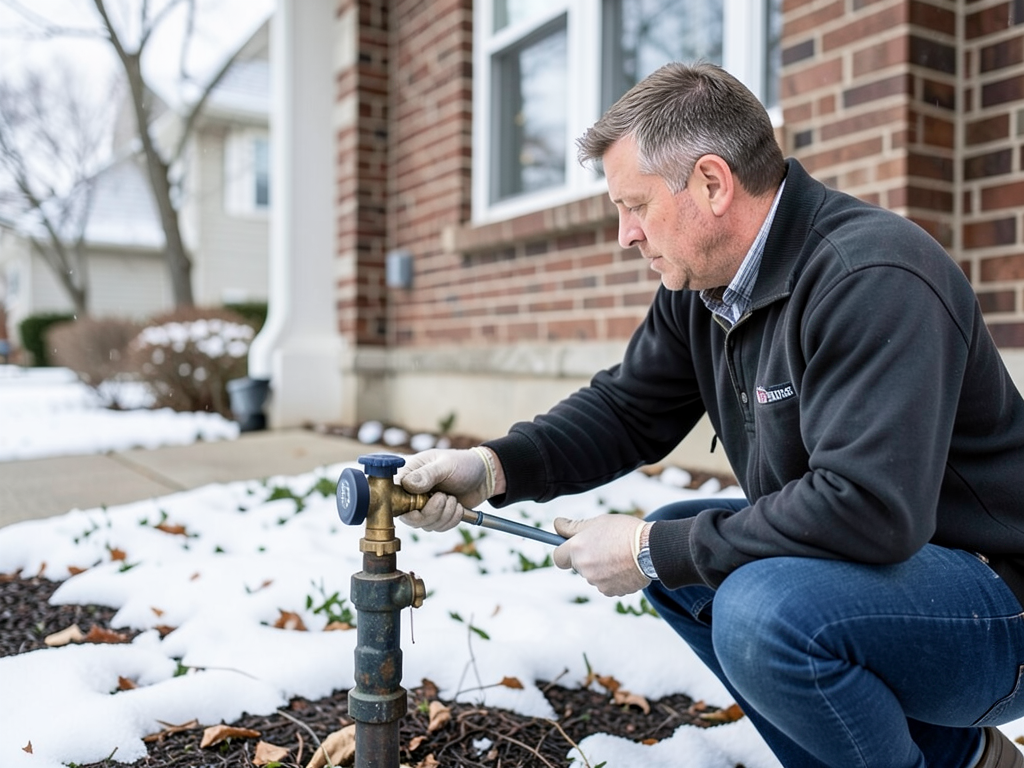
Protecting Your Outdoor Spigots from the Brutal Cincinnati Freeze-Thaw Cycle The first hard freeze in…
Water damage spreads rapidly through building materials. Every hour you wait increases restoration costs and damage extent. Call (513) 717-2522 now for immediate dispatch to your Hamilton property. Our crews respond 24/7 with professional extraction equipment and begin stopping damage within 60 minutes of your call.