
Why Your Westwood Attic is Damp Even When It Is Not Raining
Your Westwood attic feels damp and musty even though you haven’t seen a drop of rain in weeks. That’s because attic moisture problems in Cincinnati often come from inside your home, not from outside leaks. Warm, moist air from your living space rises through gaps around light fixtures, plumbing stacks, and attic hatches, then hits the cold underside of your roof deck where it condenses into water droplets. This hidden moisture creates the perfect environment for mold growth, wood rot, and insulation damage that can cost thousands to repair. EPA mold remediation guidelines.
The problem is especially common in Westwood’s older homes built before modern building codes required proper vapor barriers and ventilation systems. Cincinnati’s freeze-thaw winters and humid summers create temperature swings that make condensation worse. You might notice frost on your roof deck in winter that melts into ‘attic rain’ when temperatures rise, or dark staining on plywood that signals mold colonies already at work.
Before you call for help, check for these warning signs: rusty nails protruding through roof sheathing, damp insulation that clumps when touched, or a musty smell when you open the attic hatch. These symptoms mean warm air is escaping into your cold attic space where it can’t escape, creating a moisture trap that damages your home from the inside out. Water Damage Restoration Blue Ash.
Call (513) 717-2522 today to schedule your inspection before the next cold snap turns your attic into a condensation factory.
How Cincinnati’s Climate Creates Attic Moisture Problems
Cincinnati sits in the Ohio River Valley where humidity levels routinely exceed 70% during summer months and winter temperatures frequently drop below freezing. This combination creates perfect conditions for attic condensation when warm indoor air meets cold roof surfaces. The stack effect pulls heated air from your living space upward through ceiling bypasses, carrying moisture that condenses when it hits the dew point temperature.. Read more about Why High Humidity in Your Maineville Crawl Space is a Problem.
Westwood homes built between the 1940s and 1970s often lack proper vapor barriers and rely on passive ventilation that struggles to handle today’s moisture loads from modern bathrooms, kitchens, and laundry rooms. The problem compounds when bathroom exhaust fans vent directly into the attic instead of outdoors, dumping warm, moist air right where it will cause the most damage.. Read more about How Ice Dams Damage St. Bernard Roofs and What to Do About It.
According to Ohio building code requirements, attics in Climate Zone 5 need at least one square foot of net free ventilation area for every 150 square feet of attic floor space. Many Westwood homes fall short of this standard, especially those with complex roof designs or minimal soffit ventilation.. Read more about Signs Your Mt Healthy Chimney is Leaking Water Into Your Living Room.
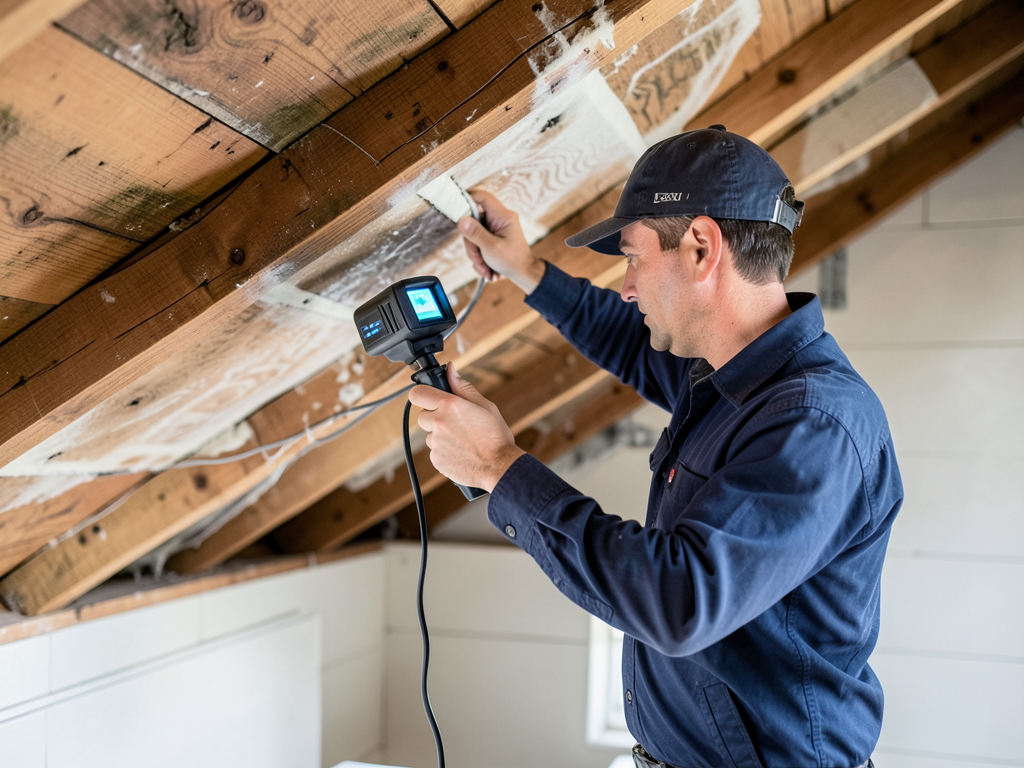
Image showing cross-section of a typical Westwood attic with warm air rising through bypasses and condensing on cold roof deck, with arrows indicating moisture flow paths.
Common Attic Bypasses That Let Moisture Escape
Attic bypasses are hidden pathways where warm, moist air escapes from your living space into the attic. In Westwood homes, the most common culprits include gaps around chimney chases, plumbing vent stacks, electrical wiring penetrations, and recessed light fixtures. These small openings collectively create a highway for moisture that can add gallons of water to your attic air each day.
Plumbing stacks are particularly problematic because they create a direct vertical path from your basement or crawl space all the way to the attic. When you take a hot shower or run the dishwasher, that moisture-laden air travels up these pipes and into your attic space. The problem gets worse when these stacks aren’t properly sealed where they pass through ceiling drywall. What to Do When Your Indian Hill Basement Floods Unexpectedly.
Recessed light fixtures, especially older non-IC rated models, create massive air leaks. Each fixture can allow hundreds of cubic feet of air to escape hourly, carrying moisture that condenses on cold roof surfaces. The heat from these fixtures also creates a thermal chimney effect that pulls even more air through surrounding gaps.
According to the International Residential Code Section R806, all ceiling penetrations must be sealed to prevent air leakage into unconditioned attic spaces. Many Westwood homes built before 2000 never received this critical air sealing upgrade.
Photo of a technician using smoke pencil to detect air leaks around recessed lights and plumbing stacks in an attic, showing visible air movement paths.
Warning Signs Your Attic Has Moisture Problems
Attic moisture problems often go unnoticed until significant damage occurs. The first sign many homeowners notice is a musty smell when entering the attic, but by then mold colonies may already be established. Look for frost accumulation on roof sheathing during cold snaps, which melts into water droplets when temperatures rise above freezing.
Dark staining on plywood roof decking indicates active mold growth feeding on the moisture. These black or gray spots often appear in clusters near roof vents or along the underside of the roof where condensation is heaviest. The wood beneath these stains may feel soft or spongy when pressed with a screwdriver.
Attic rain occurs when frost buildup melts suddenly, creating the illusion of a roof leak. This happens when outdoor temperatures rise rapidly after a cold spell, causing accumulated frost to turn to liquid water that drips onto insulation and ceiling drywall below. Many homeowners mistake this for a roof leak and call for emergency repairs that don’t address the real cause.
According to EPA mold remediation guidelines, visible mold growth covering more than 10 square feet requires professional remediation to prevent spore spread throughout the home. Small patches can often be cleaned by homeowners using proper safety equipment and cleaning solutions.
Close-up photo showing black mold staining on roof sheathing with ruler for scale, demonstrating active moisture damage requiring professional remediation.
Ventilation Solutions for Westwood Attics
Proper attic ventilation requires both intake and exhaust vents working together to create continuous airflow. Soffit vents draw cool, dry air into the attic while ridge vents or gable vents allow warm, moist air to escape. This airflow keeps roof deck temperatures closer to outdoor ambient temperature, reducing condensation potential.
Westwood’s older homes often have inadequate soffit ventilation due to insulation blocking the eave vents. Baffles installed between rafters keep insulation from blocking these critical intake vents while maintaining the required air gap. Without baffles, even new vents can’t function properly because air can’t reach them.
Ridge vents provide the most effective exhaust solution for gable roofs, creating a continuous opening along the roof peak where warm air naturally accumulates. Static roof vents or gable vents can work but are less efficient because they create hot spots rather than uniform airflow across the entire attic space.
According to Ohio building code ventilation requirements, attics need balanced ventilation with intake and exhaust areas within 50% of each other. Unbalanced systems create negative pressure that can pull conditioned air from living spaces through bypasses, worsening the moisture problem.
Air Sealing Techniques That Stop Moisture Migration
Air sealing your attic floor creates a critical barrier between your conditioned living space and the unconditioned attic. This process involves identifying and sealing all bypasses using expanding foam, caulk, or weatherstripping depending on the gap size and location. The goal is creating an airtight seal that prevents warm, moist air from ever reaching the attic.
Plumbing penetrations require fire-rated caulk or foam sealant to maintain both the air barrier and fire safety requirements. Electrical wiring holes can be sealed with silicone caulk or small expanding foam applications. Larger gaps around chimneys need metal flashing and high-temperature caulk to create a durable seal.
Attic hatches represent one of the largest air leakage points in most homes. Weatherstripping the hatch perimeter and adding insulation to the hatch cover prevents both air leakage and thermal transfer. Pull-down stair units need special insulated covers to prevent massive heat and moisture loss.
According to the Department of Energy’s Building America program, proper air sealing can reduce heating and cooling costs by 15-30% while simultaneously solving moisture problems. The investment typically pays for itself within 2-3 years through energy savings alone. Department of Energy air sealing guidelines.
When to Call a Professional for Attic Moisture
DIY fixes work for minor condensation issues, but certain situations require professional intervention. Active mold growth covering large areas, structural wood damage, or persistent moisture problems despite ventilation improvements all signal the need for expert help. Professional moisture remediation involves containment, proper removal techniques, and addressing the underlying causes.
Insurance coverage for attic moisture varies significantly. Sudden water damage from burst pipes or roof leaks is typically covered, but gradual moisture problems from condensation often fall under maintenance exclusions. Review your policy carefully and document all moisture damage with photos before beginning any repairs. Fixing Burst Pipes and Ceiling Leaks in Your Clifton Apartment Building.
Professional remediation follows IICRC S520 mold remediation standards, which require containment barriers, negative air pressure, and proper disposal of contaminated materials. Attempting large-scale mold removal without these precautions can spread spores throughout your home and create health hazards.
Call (513) 717-2522 today to schedule your inspection before the next cold snap turns your attic into a condensation factory.
Long-Term Prevention Strategies
Preventing attic moisture requires a comprehensive approach that addresses both air sealing and ventilation. Start by having a professional energy audit to identify air leaks using thermal imaging and blower door testing. This diagnostic approach reveals hidden bypasses that visual inspection might miss.
Upgrade bathroom exhaust fans to models with higher CFM ratings and ensure they vent completely outdoors rather than into the attic. Run these fans during and for 30 minutes after showers to remove moisture before it can migrate into attic spaces. Kitchen range hoods should also vent outdoors to prevent cooking moisture from contributing to the problem.
Monitor attic humidity levels with a hygrometer. Relative humidity should stay below 60% year-round. If levels consistently exceed this threshold, additional ventilation or dehumidification may be necessary. Some homeowners install small attic dehumidifiers for seasonal moisture control during particularly humid periods.
According to the EPA’s moisture control guidelines, addressing water problems within 24-48 hours prevents mold growth. Regular attic inspections during seasonal transitions help catch moisture problems before they cause significant damage.
Cost Factors for Professional Remediation
Professional attic moisture remediation costs vary based on the extent of damage and required repairs. Simple air sealing and ventilation improvements might cost $1,500-$3,000, while mold remediation and structural repairs can exceed $10,000 for severe cases. The key is addressing problems early before they require extensive reconstruction.
Factors affecting cost include attic accessibility, extent of mold contamination, need for insulation replacement, and whether structural repairs are required. Homes with complex roof designs or limited access points typically cost more to service due to increased labor time and equipment needs.
Many homeowners worry about the cost of professional remediation, but the expense of ignoring moisture problems is far greater. Mold damage can reduce property values by 10-30%, and structural repairs for rotted roof decking or ceiling joists often cost several times more than preventive remediation.
Call (513) 717-2522 today to schedule your inspection before the next cold snap turns your attic into a condensation factory.
Frequently Asked Questions
How can I tell if my attic moisture is from a leak or condensation?
Condensation typically creates uniform moisture patterns on the underside of roof decking, often with frost in winter that melts into attic rain. Roof leaks usually create isolated wet spots that follow roof planes and may stain ceilings below. Check for rusty nails and uniform dark staining for condensation versus localized wet areas for leaks.
Is attic mold dangerous to my family’s health?
Active mold colonies release spores that can trigger allergies, asthma, and respiratory issues, especially in children and elderly individuals. According to CDC guidelines, any visible mold growth should be addressed promptly. While not all molds produce mycotoxins, the presence of active growth indicates excess moisture that can support harmful species.
How long does professional attic moisture remediation take?
Simple air sealing and ventilation projects typically complete in 1-2 days. Mold remediation following IICRC S520 standards may require 3-5 days including containment setup, removal, and clearance testing. The timeline depends on contamination extent, attic size, and whether structural repairs are needed.
Will my homeowner’s insurance cover attic moisture damage?
Coverage varies by policy and damage cause. Sudden events like burst pipes are usually covered, but gradual condensation damage often falls under maintenance exclusions. Review your policy and document all damage with photos. Some policies offer separate mold coverage for an additional premium. Frozen Pipe Burst Cleanup.
What’s the ideal attic humidity level to prevent moisture problems?
Relative humidity should stay below 60% year-round. Levels consistently above 70% indicate inadequate ventilation or excessive moisture sources. Use a hygrometer to monitor levels, and consider additional ventilation or dehumidification if humidity remains elevated despite basic improvements.
{
“@context”: “https://schema.org”,
“@type”: “BlogPosting”,
“headline”: “Why Your Westwood Attic is Damp Even When It Is Not Raining”,
“description”: “Discover why Westwood attics trap moisture even without rain. Learn attic condensation causes, local building code requirements, and when to call Cincinnati’s moisture experts.”,
“wordCount”: 2125,
“datePublished”: “2026-03-24T11:45:00.000Z”,
“dateModified”: “2026-03-24T11:45:00.000Z”,
“inLanguage”: “en-US”,
“mainEntityOfPage”: {
“@type”: “WebPage”,
“@id”: “https://acewaterdamagerestorationcincinnati.com”
},
“publisher”: {
“@type”: “LocalBusiness”,
“name”: “Ace Water Damage Restoration Cincinnati”,
“url”: “https://acewaterdamagerestorationcincinnati.com”
},
“author”: {
“@type”: “Organization”,
“name”: “Ace Water Damage Restoration Cincinnati”,
“url”: “https://acewaterdamagerestorationcincinnati.com”
},
“image”: {
“@type”: “ImageObject”,
“url”: “https://acewaterdamagerestorationcincinnati.com/wp-content/uploads/2026/03/why-your-westwood-attic-is-damp-even-when-it-is-no-1.png”
}
}
{
“@context”: “https://schema.org”,
“@type”: “LocalBusiness”,
“name”: “Ace Water Damage Restoration Cincinnati”,
“url”: “https://acewaterdamagerestorationcincinnati.com”,
“address”: {
“@type”: “PostalAddress”,
“addressLocality”: “Cincinnati”
},
“areaServed”: {
“@type”: “City”,
“name”: “Cincinnati”
}
}
{
“@context”: “https://schema.org”,
“@type”: “FAQPage”,
“mainEntity”: [
{
“@type”: “Question”,
“name”: “How can I tell if my attic moisture is from a leak or condensation?”,
“acceptedAnswer”: {
“@type”: “Answer”,
“text”: “Condensation typically creates uniform moisture patterns on the underside of roof decking, often with frost in winter that melts into attic rain. Roof leaks usually create isolated wet spots that follow roof planes and may stain ceilings below. Check for rusty nails and uniform dark staining for condensation versus localized wet areas for leaks.”
}
},
{
“@type”: “Question”,
“name”: “Is attic mold dangerous to my family’s health?”,
“acceptedAnswer”: {
“@type”: “Answer”,
“text”: “Active mold colonies release spores that can trigger allergies, asthma, and respiratory issues, especially in children and elderly individuals. According to CDC guidelines, any visible mold growth should be addressed promptly. While not all molds produce mycotoxins, the presence of active growth indicates excess moisture that can support harmful species.”
}
},
{
“@type”: “Question”,
“name”: “How long does professional attic moisture remediation take?”,
“acceptedAnswer”: {
“@type”: “Answer”,
“text”: “Simple air sealing and ventilation projects typically complete in 1-2 days. Mold remediation following IICRC S520 standards may require 3-5 days including containment setup, removal, and clearance testing. The timeline depends on contamination extent, attic size, and whether structural repairs are needed.”
}
},
{
“@type”: “Question”,
“name”: “Will my homeowner’s insurance cover attic moisture damage?”,
“acceptedAnswer”: {
“@type”: “Answer”,
“text”: “Coverage varies by policy and damage cause. Sudden events like burst pipes are usually covered, but gradual condensation damage often falls under maintenance exclusions. Review your policy and document all damage with photos. Some policies offer separate mold coverage for an additional premium. Frozen Pipe Burst Cleanup.”
}
},
{
“@type”: “Question”,
“name”: “What’s the ideal attic humidity level to prevent moisture problems?”,
“acceptedAnswer”: {
“@type”: “Answer”,
“text”: “Relative humidity should stay below 60% year-round. Levels consistently above 70% indicate inadequate ventilation or excessive moisture sources. Use a hygrometer to monitor levels, and consider additional ventilation or dehumidification if humidity remains elevated despite basic improvements.”
}
}
]
}
{
“@context”: “https://schema.org”,
“@type”: “BreadcrumbList”,
“itemListElement”: [
{
“@type”: “ListItem”,
“position”: 1,
“name”: “Home”,
“item”: “https://acewaterdamagerestorationcincinnati.com”
},
{
“@type”: “ListItem”,
“position”: 2,
“name”: “Blog”,
“item”: “https://acewaterdamagerestorationcincinnati.com/blog”
},
{
“@type”: “ListItem”,
“position”: 3,
“name”: “Why Your Westwood Attic is Damp Even When It Is Not Raining”
}
]
}
{
“@context”: “https://schema.org”,
“@type”: “Service”,
“serviceType”: “Water Damage Restoration”,
“provider”: {
“@type”: “LocalBusiness”,
“name”: “Ace Water Damage Restoration Cincinnati”,
“url”: “https://acewaterdamagerestorationcincinnati.com”
},
“areaServed”: {
“@type”: “City”,
“name”: “Cincinnati”
},
“description”: “Discover why Westwood attics trap moisture even without rain. Learn attic condensation causes, local building code requirements, and when to call Cincinnati’s moisture experts.”
}