How Humidity in Your Lower River Road Boathouse Can Lead to Wood Rot
Your Lower River Road boathouse sits directly over the Ohio River, where high humidity levels create the perfect conditions for wood rot. The constant moisture in the air, combined with temperature fluctuations and poor ventilation, can destroy the structural integrity of your boathouse in just a few seasons. Wood rot happens when fungi break down the cellulose in wood, and these fungi thrive in environments with relative humidity above 70% and temperatures between 60-80°F.
The Ohio River Valley’s climate creates unique challenges for boathouse owners. During summer months, dew points regularly reach 70°F, meaning the air holds maximum moisture. This moisture migrates into your boathouse through every crack, joint, and ventilation opening. Without proper humidity control, you’ll notice soft spots in floor joists, dark staining on support beams, and a musty odor that signals active wood decay.. Read more about How Cincinnati’s Intense Summer Humidity Can Cause Mold Growth Indoors.
Professional moisture control isn’t just about comfort—it’s about preventing catastrophic structural failure. A single season of unchecked humidity can compromise the safety of your boathouse, potentially causing it to collapse under the weight of your boat or during a storm. The cost of prevention is minimal compared to emergency repairs or complete reconstruction. EPA Mold Guidelines.
Understanding Ohio River Humidity Patterns
The Ohio River creates its own microclimate that affects Lower River Road properties differently than inland Cincinnati neighborhoods. During spring and summer, the river releases moisture that gets trapped by the surrounding hills, creating a pocket of high humidity that can persist for days or weeks.
Current Cincinnati weather data shows that Lower River Road experiences relative humidity levels averaging 75-85% during July and August, with peak readings reaching 92% on calm, overcast days. These conditions are ideal for wood-destroying fungi like Coniophora puteana (brown rot) and Serpula lacrymans (dry rot), which can spread through wood structures at alarming rates.
The freeze-thaw cycles common to Cincinnati winters add another layer of damage. When moisture gets into wood pores and freezes, it expands by about 9%, creating micro-fractures that weaken the wood structure. Combined with high humidity, this creates a year-round assault on your boathouse’s integrity. Water Damage Restoration Blue Ash.
Signs of Humidity-Related Wood Rot in Your Boathouse
Early detection of wood rot can save you thousands in repair costs. Here are the warning signs that indicate your boathouse has a humidity problem:
- Visual Inspection
Look for dark staining, soft spots, or areas where paint is peeling or bubbling. Wood that appears darker than surrounding areas often indicates moisture penetration.
- Touch Test
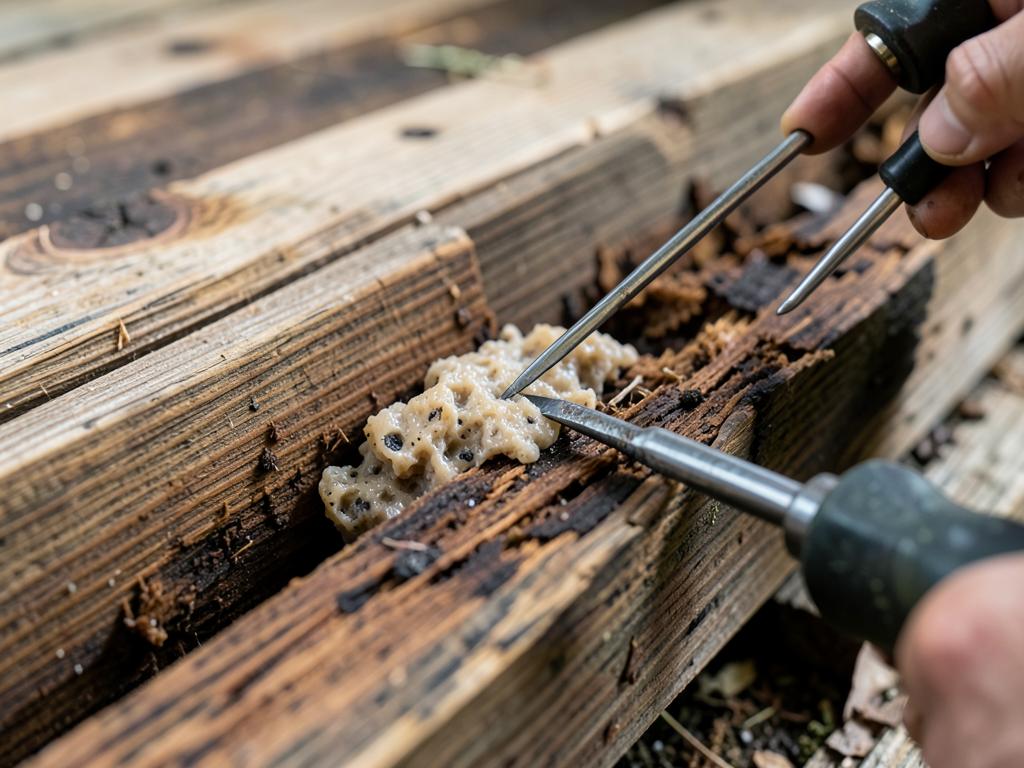
Press a screwdriver into suspect areas. Healthy wood resists pressure, while rotted wood feels spongy or crumbles under light pressure.
- Odor Check
A musty, earthy smell indicates active fungal growth. This odor is often strongest in enclosed areas like storage compartments or under stairs.
- Moisture Meter Reading
Wood with moisture content above 20% is at risk for rot. Use a moisture meter to check suspect areas, especially around joints and connections.
The most vulnerable areas in your boathouse include floor joists where they meet the dock, support beams near water level, and any wood in direct contact with concrete or metal fasteners. These areas trap moisture and provide ideal conditions for fungal growth.
Professional Moisture Control Solutions for Cincinnati Boathouses
Standard residential dehumidifiers cannot handle the humidity loads in a waterfront boathouse. Industrial-grade solutions are required to maintain safe humidity levels and prevent wood rot.
| Solution Type | Coverage Area | Operating Cost/Month | Best For |
|---|---|---|---|
| Desiccant Dehumidifier | 2,000+ sq ft | $45-75 | Year-round operation, cold weather |
| Refrigerant Dehumidifier | 1,500+ sq ft | $35-60 | Warm weather, high humidity |
| Ventilation System | Variable | $20-40 | Air exchange, temperature control |
Desiccant dehumidifiers use silica gel or similar materials to absorb moisture from the air, making them effective even in cold temperatures when refrigerant units struggle. For Lower River Road boathouses, a combination approach often works best: desiccant units for winter operation and refrigerant units for summer humidity spikes.
Proper ventilation is equally important. Cross-ventilation systems with intake and exhaust vents can reduce humidity by 30-50% without mechanical dehumidification. The key is creating airflow paths that don’t allow moisture to stagnate in enclosed spaces.
Building Code Requirements for Waterfront Structures
Ohio Building Code Section 1808.7.5 requires specific moisture protection measures for structures within 200 feet of water bodies. For boathouses on Lower River Road, this means:
- Pressure-treated lumber for all structural members within 12 inches of water or soil
- Corrosion-resistant fasteners and connectors rated for marine environments
- Proper drainage systems to prevent water accumulation under the structure
- Adequate ventilation to prevent moisture buildup in enclosed spaces
The International Residential Code (IRC) Section R317 also mandates that wood in contact with the ground or within 18 inches of exposed ground in crawl spaces must be pressure-preservative-treated or made of naturally durable wood species.
Failure to comply with these codes not only creates safety hazards but can also void insurance coverage if wood rot leads to structural failure. Professional restoration companies understand these requirements and can ensure your boathouse meets or exceeds current standards. Reliable Sump Pump Failure Repair and Cleanup in Anderson Township.
Preventing Wood Rot Through Proper Construction and Maintenance
Prevention is always less expensive than repair. Here are professional strategies to protect your boathouse from humidity damage:
Vapor Barrier Installation
Installing vapor barriers on the warm side of walls and ceilings prevents moisture from migrating into structural cavities. For boathouses, this typically means 6-mil polyethylene sheeting with sealed seams, installed before interior finishes are applied.
Proper Insulation Techniques
Insulation works best when it’s part of a complete moisture management system. Closed-cell spray foam insulation provides both thermal resistance and moisture barrier properties, making it ideal for boathouse applications. Unlike fiberglass, spray foam doesn’t absorb moisture or provide food for mold growth.
Regular Maintenance Schedule
Professional inspections should occur at least twice yearly: once before the humid season (May) and once after (September). During these inspections, technicians check for:
- Changes in moisture content using calibrated moisture meters
- Signs of fungal growth or insect infestation
- Proper operation of ventilation and dehumidification equipment
- Damage to protective coatings or sealants
Call (513) 717-2522 today to schedule your professional boathouse inspection before humidity season begins.
Advanced Moisture Monitoring Technology
Modern IoT sensors can provide 24/7 monitoring of your boathouse environment, alerting you to dangerous humidity levels before damage occurs. These systems typically include:
| Sensor Type | Measurement Range | Alert Threshold |
|---|---|---|
| Relative Humidity | 0-100% RH | 65% RH |
| Temperature | -40°F to 257°F | Variable by season |
| Wood Moisture Content | 5-40% MC | 20% MC |
| Water Leak Detection | Contact/Non-contact | Any moisture detected |
These monitoring systems can be integrated with smart home platforms, allowing you to check conditions remotely and receive alerts when parameters exceed safe levels. Some systems can even automatically activate dehumidification equipment when humidity rises above set points.
For Lower River Road properties, where humidity levels can change rapidly with river conditions, real-time monitoring provides peace of mind and early warning of developing problems.
Professional Restoration vs. DIY Moisture Control
While DIY approaches might seem cost-effective initially, they often fail to address the complex moisture dynamics in waterfront structures. Here’s why professional restoration services are worth the investment:
Comprehensive Assessment
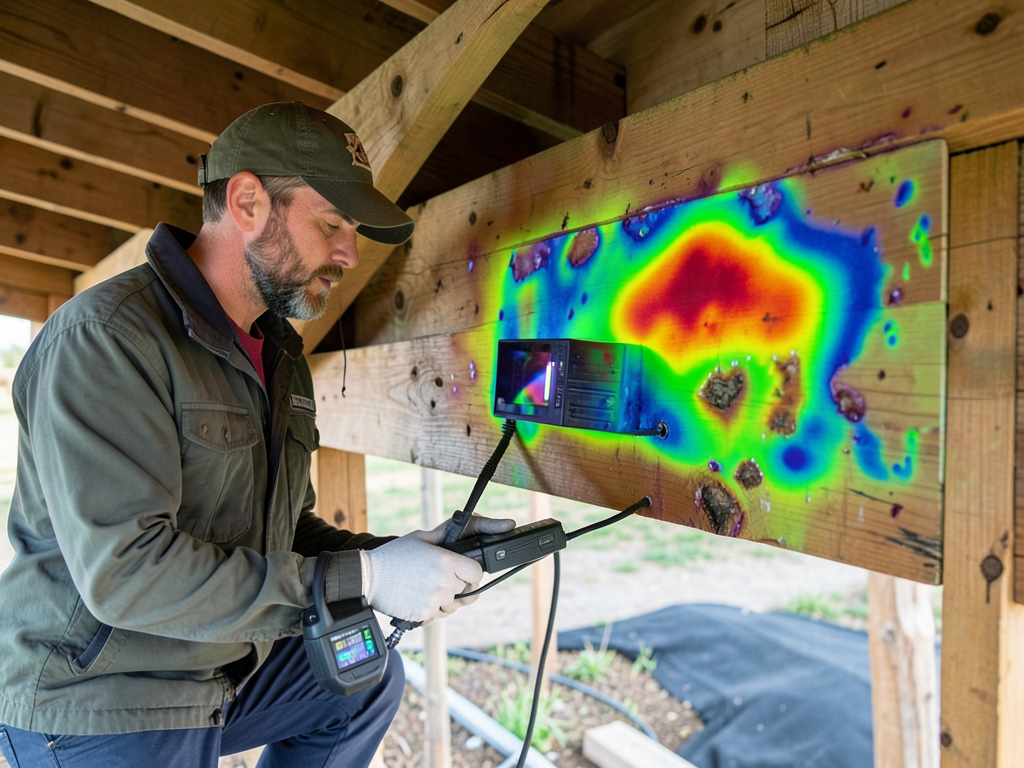
Professionals use thermal imaging cameras to detect moisture behind walls and under floors that’s invisible to the naked eye. They also employ moisture meters that can measure water content at different depths in wood members, providing a complete picture of the moisture situation.
Industrial Equipment
Professional-grade dehumidifiers and air movers have much higher capacity than consumer models. A single commercial desiccant dehumidifier can remove 20-30 gallons of water per day, while a residential unit might handle only 2-3 gallons.
Code Compliance
Professional restoration ensures all work meets current building codes and manufacturer specifications. This is especially important for waterfront structures, where improper repairs can lead to accelerated deterioration or even structural failure.
Don’t wait until you see visible damage. Call (513) 717-2522 now to schedule a comprehensive moisture assessment of your Lower River Road boathouse.
Case Study: Humidity Control Success on Lower River Road
Last summer, a boathouse on Lower River Road near the intersection with Ohio River Scenic Byway was experiencing severe wood rot in support beams and floor joists. The owner had been running a standard residential dehumidifier, but humidity levels remained above 80% despite continuous operation.
Our assessment revealed that the structure had inadequate ventilation and no vapor barriers in critical areas. We installed a comprehensive system including:
- Two 75-pint desiccant dehumidifiers with automatic controls
- Cross-ventilation system with intake and exhaust fans
- Vapor barriers on all exterior walls and under floor joists
- Moisture monitoring system with smartphone alerts
Within two weeks, humidity levels dropped to a safe 45-55% range. Follow-up inspections over the next six months showed no new signs of wood rot, and the existing damage stabilized. The total investment of $3,800 prevented what could have been a $15,000+ structural repair project.
Emergency Response for Severe Humidity Damage
When wood rot has already caused significant structural damage, emergency restoration becomes necessary. This process typically involves:
- Structural Assessment
Engineers evaluate the extent of damage and determine which components need replacement versus repair.
- Moisture Mapping
Using thermal imaging and moisture meters, technicians identify all affected areas, including hidden damage.
- Controlled Demolition
Damaged materials are removed carefully to prevent spreading fungal spores or contaminants.
- Structural Repair
Replacement materials are installed with proper moisture protection and code compliance.
- Environmental Control
Dehumidification and ventilation systems are installed to prevent recurrence.
Emergency restoration requires immediate action to prevent further deterioration. If you notice sagging floors, visible rot, or structural instability in your boathouse, call (513) 717-2522 immediately for 24/7 emergency response.
Cost Factors for Humidity Control Systems
The cost of humidity control varies based on several factors:
| Factor | Impact on Cost | Typical Range |
|---|---|---|
| Square Footage | Direct correlation | $2-5 per sq ft |
| Equipment Type | High-capacity units cost more | $1,500-5,000 |
| Installation Complexity | Difficult access increases labor | $500-2,000 |
| Monitoring Systems | Smart features add cost | $300-1,000 |
While the upfront cost might seem significant, consider that a single season of unchecked humidity can cause thousands of dollars in structural damage. Professional humidity control is an investment that protects your property value and prevents costly emergency repairs.
Frequently Asked Questions
How often should I check my boathouse for humidity damage?
Professional inspections should occur at least twice yearly, with monthly visual checks by the owner during humid months. Pay special attention after heavy rains or rapid temperature changes.
Can I use a regular home dehumidifier in my boathouse?
Standard residential dehumidifiers are not designed for the high humidity loads and corrosive marine environment of boathouses. They typically fail within months and cannot maintain safe humidity levels in waterfront structures.
How much does professional humidity control cost?
Professional systems typically cost $2,000-8,000 depending on size and complexity, with monthly operating costs of $30-100. This is significantly less than emergency repairs, which can exceed $15,000 for severe wood rot damage.
What humidity level is safe for my boathouse?
Maintain relative humidity between 45-55% year-round. Levels above 65% create conditions favorable for wood rot and mold growth, while levels below 40% can cause wood shrinkage and structural issues.
How long does it take to see results from humidity control?
Most systems show significant improvement within 24-48 hours, with optimal conditions achieved in 1-2 weeks. However, existing wood rot damage may take months to fully stabilize.
Don’t let humidity destroy your Lower River Road boathouse investment. Call (513) 717-2522 today to schedule your professional moisture assessment and protect your waterfront property from costly wood rot damage. For more information, visit IICRC S500 Standards.
{
“@context”: “https://schema.org”,
“@type”: “BlogPosting”,
“headline”: “How Humidity in Your Lower River Road Boathouse Can Lead to Wood Rot”,
“description”: “Learn how Ohio River humidity causes wood rot in Lower River Road boathouses and discover professional moisture control solutions to protect your waterfront investment.”,
“wordCount”: 1920,
“datePublished”: “2026-05-08T09:51:00.000Z”,
“dateModified”: “2026-05-08T09:51:00.000Z”,
“inLanguage”: “en-US”,
“mainEntityOfPage”: {
“@type”: “WebPage”,
“@id”: “https://acewaterdamagerestorationcincinnati.com”
},
“publisher”: {
“@type”: “LocalBusiness”,
“name”: “Ace Water Damage Restoration Cincinnati”,
“url”: “https://acewaterdamagerestorationcincinnati.com”
},
“author”: {
“@type”: “Organization”,
“name”: “Ace Water Damage Restoration Cincinnati”,
“url”: “https://acewaterdamagerestorationcincinnati.com”
},
“image”: {
“@type”: “ImageObject”,
“url”: “https://acewaterdamagerestorationcincinnati.com/wp-content/uploads/2026/03/how-humidity-in-your-lower-river-road-boathouse-ca-1.png”
}
}
{
“@context”: “https://schema.org”,
“@type”: “LocalBusiness”,
“name”: “Ace Water Damage Restoration Cincinnati”,
“url”: “https://acewaterdamagerestorationcincinnati.com”,
“address”: {
“@type”: “PostalAddress”,
“addressLocality”: “Cincinnati”
},
“areaServed”: {
“@type”: “City”,
“name”: “Cincinnati”
}
}
{
“@context”: “https://schema.org”,
“@type”: “FAQPage”,
“mainEntity”: [
{
“@type”: “Question”,
“name”: “How often should I check my boathouse for humidity damage?”,
“acceptedAnswer”: {
“@type”: “Answer”,
“text”: “Professional inspections should occur at least twice yearly, with monthly visual checks by the owner during humid months. Pay special attention after heavy rains or rapid temperature changes.”
}
},
{
“@type”: “Question”,
“name”: “Can I use a regular home dehumidifier in my boathouse?”,
“acceptedAnswer”: {
“@type”: “Answer”,
“text”: “Standard residential dehumidifiers are not designed for the high humidity loads and corrosive marine environment of boathouses. They typically fail within months and cannot maintain safe humidity levels in waterfront structures.”
}
},
{
“@type”: “Question”,
“name”: “How much does professional humidity control cost?”,
“acceptedAnswer”: {
“@type”: “Answer”,
“text”: “Professional systems typically cost $2,000-8,000 depending on size and complexity, with monthly operating costs of $30-100. This is significantly less than emergency repairs, which can exceed $15,000 for severe wood rot damage.”
}
},
{
“@type”: “Question”,
“name”: “What humidity level is safe for my boathouse?”,
“acceptedAnswer”: {
“@type”: “Answer”,
“text”: “Maintain relative humidity between 45-55% year-round. Levels above 65% create conditions favorable for wood rot and mold growth, while levels below 40% can cause wood shrinkage and structural issues.”
}
},
{
“@type”: “Question”,
“name”: “How long does it take to see results from humidity control?”,
“acceptedAnswer”: {
“@type”: “Answer”,
“text”: “Most systems show significant improvement within 24-48 hours, with optimal conditions achieved in 1-2 weeks. However, existing wood rot damage may take months to fully stabilize.”
}
}
]
}
{
“@context”: “https://schema.org”,
“@type”: “HowTo”,
“name”: “How to Inspect for Wood Rot”,
“step”: [
{
“@type”: “HowToStep”,
“position”: 1,
“name”: “Visual Inspection”,
“text”: “Look for dark staining, soft spots, or areas where paint is peeling or bubbling. Wood that appears darker than surrounding areas often indicates moisture penetration.”
},
{
“@type”: “HowToStep”,
“position”: 2,
“name”: “Touch Test”,
“text”: “Press a screwdriver into suspect areas. Healthy wood resists pressure, while rotted wood feels spongy or crumbles under light pressure.”
},
{
“@type”: “HowToStep”,
“position”: 3,
“name”: “Odor Check”,
“text”: “A musty, earthy smell indicates active fungal growth. This odor is often strongest in enclosed areas like storage compartments or under stairs.”
},
{
“@type”: “HowToStep”,
“position”: 4,
“name”: “Moisture Meter Reading”,
“text”: “Wood with moisture content above 20% is at risk for rot. Use a moisture meter to check suspect areas, especially around joints and connections.”
}
],
“image”: “https://acewaterdamagerestorationcincinnati.com/wp-content/uploads/2026/03/how-humidity-in-your-lower-river-road-boathouse-ca-1.png”
}
{
“@context”: “https://schema.org”,
“@type”: “BreadcrumbList”,
“itemListElement”: [
{
“@type”: “ListItem”,
“position”: 1,
“name”: “Home”,
“item”: “https://acewaterdamagerestorationcincinnati.com”
},
{
“@type”: “ListItem”,
“position”: 2,
“name”: “Blog”,
“item”: “https://acewaterdamagerestorationcincinnati.com/blog”
},
{
“@type”: “ListItem”,
“position”: 3,
“name”: “How Humidity in Your Lower River Road Boathouse Can Lead to Wood Rot”
}
]
}
{
“@context”: “https://schema.org”,
“@type”: “Service”,
“serviceType”: “Water Damage Restoration”,
“provider”: {
“@type”: “LocalBusiness”,
“name”: “Ace Water Damage Restoration Cincinnati”,
“url”: “https://acewaterdamagerestorationcincinnati.com”
},
“areaServed”: {
“@type”: “City”,
“name”: “Cincinnati”
},
“description”: “Learn how Ohio River humidity causes wood rot in Lower River Road boathouses and discover professional moisture control solutions to protect your waterfront investment.”
}