
How Cincinnati’s Intense Summer Humidity Can Cause Mold Growth Indoors
Cincinnati’s summer humidity creates ideal conditions for mold growth in homes. When outdoor relative humidity climbs above 70% during July and August, moisture seeps through foundation cracks, accumulates in basements, and condenses on cool interior surfaces. This moisture feeds mold spores that naturally exist in all buildings, causing them to multiply rapidly within 24-48 hours. What to Do When Your Indian Hill Basement Floods Unexpectedly.
The Ohio River Valley’s geographic position traps humid air masses, creating dew points that regularly exceed 70°F. This persistent moisture in the air becomes the primary driver of indoor mold problems, even without visible water damage. Understanding this connection between local climate and indoor air quality helps homeowners take effective prevention measures.. Read more about How Indoor Water Damage Can Mimic Cincinnati Seasonal Allergy Symptoms.
Why Cincinnati’s Climate Creates Perfect Mold Conditions
The Ohio River Valley acts as a natural basin that collects and holds moisture-laden air from the Gulf of Mexico. Cincinnati experiences average summer relative humidity levels of 68-75%, with peak readings often exceeding 85% during thunderstorms. These conditions create the perfect breeding ground for mold growth indoors.
Local building materials and construction methods compound the problem. Many Cincinnati homes feature brick or stone foundations that absorb moisture from the surrounding soil. When humid outdoor air contacts these cool surfaces, condensation forms. The combination of available moisture, organic materials like wood framing and drywall, and temperatures between 77-86°F creates optimal conditions for mold proliferation.
Common mold species in the Cincinnati area include Aspergillus, Cladosporium, and Stachybotrys chartarum (black mold). These organisms thrive when indoor relative humidity exceeds 60% for extended periods. The EPA recommends maintaining indoor humidity between 30-50% to prevent mold growth. EPA Mold Resources.
Common Areas for Humidity-Induced Mold in Ohio Homes
Basements represent the most vulnerable area for humidity-related mold growth. Cincinnati’s high water table and clay soils create hydrostatic pressure that pushes moisture through foundation walls. When this moisture meets the cool basement environment, condensation forms on concrete floors, wooden framing, and stored items. Retail Store Water Cleanup.
Attics also experience significant humidity problems. Poor ventilation allows warm, moist air to accumulate, condensing on roof decking and insulation. This creates dark, damp conditions perfect for mold colonization. Cincinnati’s freeze-thaw cycles can worsen attic moisture problems by creating gaps in roof ventilation systems.
Crawl spaces present another high-risk area. Many Cincinnati homes built before 1980 lack proper vapor barriers or ventilation. Soil moisture evaporates into the crawl space, where it meets cooler air and condenses. This creates a continuous moisture source that feeds mold growth on wooden floor joists and subflooring.
Interior spaces with poor air circulation also develop mold problems. Closets along exterior walls, behind furniture placed against outside walls, and in corners where air movement is limited can harbor mold colonies. Bathrooms without exhaust fans or proper ventilation accumulate moisture that seeps into drywall and creates hidden mold problems.
Health Risks of High Indoor Humidity and Spore Accumulation
High indoor humidity and mold growth create significant health concerns for Cincinnati residents. Mold spores trigger allergic reactions including sneezing, runny nose, red eyes, and skin rashes. For people with asthma, mold exposure can cause coughing, wheezing, and difficulty breathing. Some mold species produce mycotoxins that may cause more severe reactions.
Children, elderly individuals, and those with compromised immune systems face the highest risk from mold exposure. The humid Cincinnati summers extend the mold growth season, increasing cumulative exposure over time. Many residents mistake mold-related symptoms for seasonal allergies or colds, delaying proper remediation.
Beyond direct health effects, high humidity creates uncomfortable living conditions. Air feels heavy and sticky, making it difficult to cool homes effectively. This leads to increased air conditioning use, higher energy bills, and additional moisture problems from oversized cooling systems that don’t run long enough to dehumidify properly.
Structural damage also results from prolonged high humidity. Wood rot, drywall deterioration, and metal corrosion occur when relative humidity consistently exceeds 60%. These conditions create additional moisture sources that feed ongoing mold growth, creating a destructive cycle that worsens over time.
Professional Mold Remediation vs. DIY Solutions
DIY mold removal often fails because homeowners treat visible mold without addressing the underlying moisture problem. Surface cleaning with bleach or vinegar kills visible mold but doesn’t eliminate spores or address humidity sources. Within weeks, mold returns as spores from hidden areas colonize the cleaned surfaces.
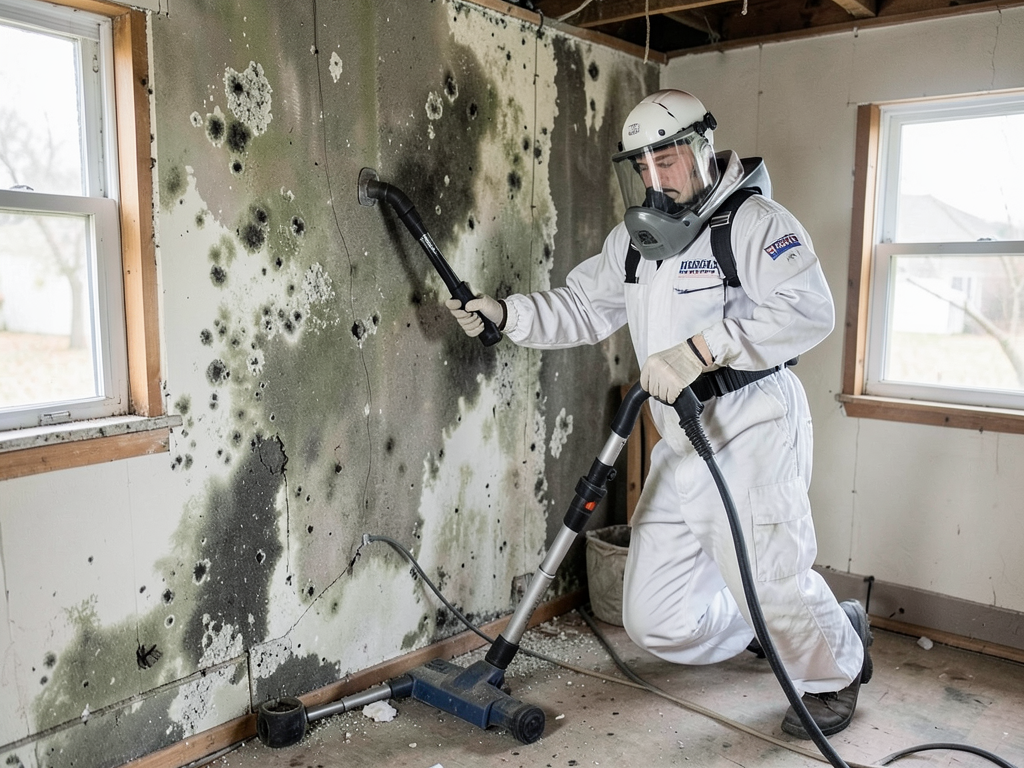
Professional remediation follows the IICRC S520 standard for mold remediation. This process includes containment to prevent spore spread, HEPA filtration to capture airborne particles, and moisture source elimination. Professionals use moisture meters and thermal imaging to identify hidden problem areas that DIY methods miss. IICRC S520 Mold Remediation Standard.
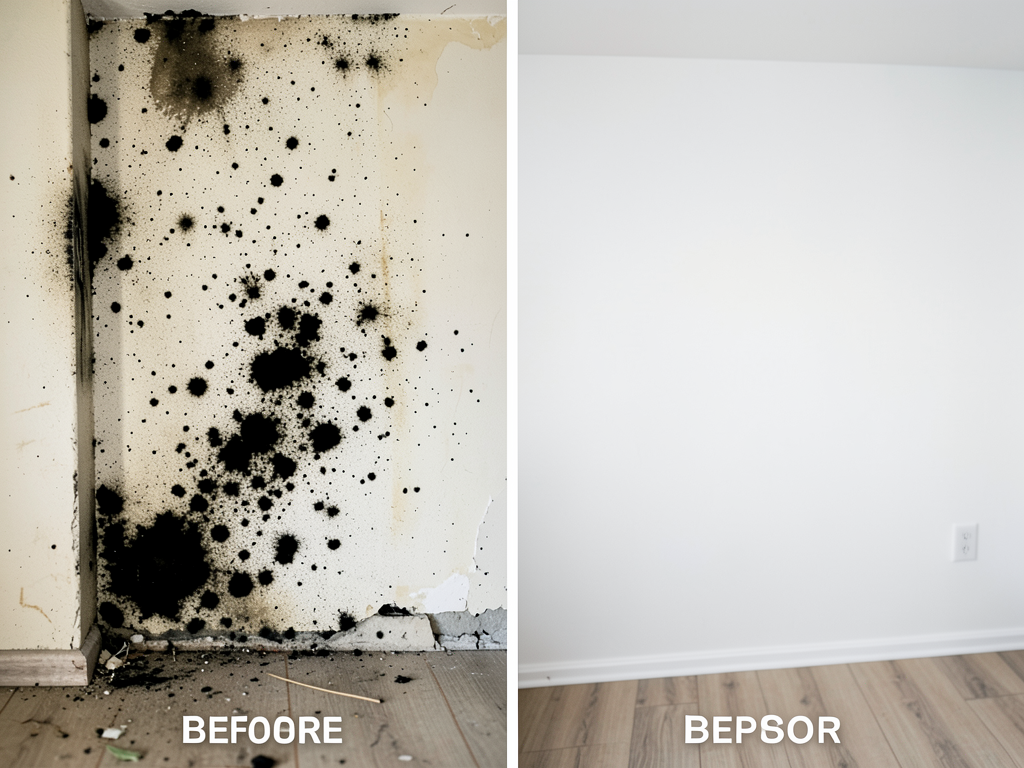
The remediation process typically involves establishing negative air pressure in affected areas, removing contaminated materials, cleaning salvageable items with antimicrobial solutions, and applying sealants to prevent future growth. Post-remediation testing verifies that spore counts return to normal levels.
Cost factors for professional remediation vary based on the extent of contamination. Small bathroom mold problems might cost $500-1,000 to remediate, while whole-house projects can exceed $10,000. The key difference is that professional work addresses root causes rather than just treating symptoms.
Insurance coverage for mold remediation varies significantly. Most standard homeowner policies exclude mold damage unless it results from a covered water loss like a burst pipe. Some companies offer separate mold riders, but these typically have strict coverage limits and exclusions. Fixing Burst Pipes and Ceiling Leaks in Your Clifton Apartment Building.
5 Ways to Lower Indoor Humidity in the Tri-State Area
Installing proper dehumidification represents the most effective humidity control strategy. For Cincinnati basements, a 70-pint dehumidifier typically handles 1,500 square feet in moderately damp conditions. Units should include automatic drainage connections rather than requiring manual emptying. ENERGY STAR certified models use 15% less energy than standard units.. Read more about Why You Should Check Your Garage Rafters for Roof Leaks Before the Next Storm.
Improving ventilation reduces moisture accumulation in problem areas. Bathroom exhaust fans should vent directly outdoors, not into attics or crawl spaces. Kitchen range hoods capture cooking moisture that would otherwise increase indoor humidity. Attic ventilation systems using ridge vents and soffit vents create continuous air movement that expels moist air.
Sealing air leaks prevents humid outdoor air from entering conditioned spaces. Common leakage points include gaps around windows, doors, electrical penetrations, and plumbing vents. Weatherstripping and caulking reduce these infiltration paths. A blower door test can identify specific leakage areas for targeted sealing.
Maintaining HVAC systems ensures proper dehumidification. Air conditioners should be sized correctly for the space they cool. Oversized units cool quickly but don’t run long enough to remove moisture effectively. Regular filter changes and coil cleaning maintain system efficiency and prevent moisture problems.
Using moisture-absorbing materials in problem areas provides supplemental humidity control. Silica gel packets in closets, activated charcoal in basements, and moisture-absorbing crystals in bathrooms can reduce localized humidity. These methods work best as part of a comprehensive moisture management strategy rather than standalone solutions.
Seasonal Prevention Checklist for Cincinnati Homeowners
Spring preparation focuses on preventing water intrusion from heavy rains. Clean gutters and downspouts direct water away from foundations. Extend downspouts at least 6 feet from the house. Grade soil to slope away from foundation walls at 1 inch per foot for at least 6 feet.
Summer maintenance addresses humidity control. Check dehumidifier operation monthly during peak humidity months. Clean or replace HVAC filters every 30-60 days. Inspect bathroom and kitchen exhaust fans for proper operation. Monitor indoor humidity with a hygrometer, maintaining levels below 60%.
Fall preparation prevents winter moisture problems. Clean gutters after leaves fall to prevent ice dams. Inspect attic insulation for gaps that allow warm, moist air to reach cold roof surfaces. Check foundation for new cracks that could allow water intrusion during freeze-thaw cycles.
Winter monitoring focuses on preventing condensation on cold surfaces. Keep indoor temperatures consistent throughout the house. Use ceiling fans to circulate air and prevent cold spots. Monitor basement humidity levels, as heating systems can create dry conditions that mask underlying moisture problems.
Year-round vigilance includes regular inspections for signs of moisture problems. Look for water stains, musty odors, peeling paint, or warped materials. Address small problems immediately before they develop into major mold infestations requiring professional remediation.
Understanding Psychrometrics: The Science Behind Humidity
Psychrometrics studies the properties of moist air and explains why Cincinnati’s climate creates mold problems. Relative humidity measures the amount of water vapor in air compared to the maximum amount air can hold at that temperature. As air warms, it can hold more moisture, so relative humidity drops even if the actual water content remains constant.
Dew point represents the temperature at which air becomes saturated and water vapor condenses into liquid. Cincinnati’s summer dew points often exceed 70°F, meaning surfaces cooler than 70°F will experience condensation. This explains why basement walls, air conditioning vents, and cold water pipes develop moisture even when relative humidity seems moderate.
Specific humidity measures the actual water content in air, regardless of temperature. This metric better explains why Cincinnati feels more humid than desert areas with similar relative humidity readings. The absolute moisture content in Cincinnati’s summer air often exceeds 15 grams of water per kilogram of dry air.
Understanding these relationships helps homeowners make better decisions about moisture control. For example, cooling air without removing moisture increases relative humidity even though the air feels drier. This explains why air conditioning alone often fails to prevent mold growth in Cincinnati’s humid climate.
Heat recovery ventilators (HRVs) and energy recovery ventilators (ERVs) use psychrometric principles to manage indoor humidity. These systems exchange stale indoor air with fresh outdoor air while transferring heat and, in ERV cases, moisture between air streams. This maintains indoor air quality without sacrificing energy efficiency.
Building Code Requirements for Moisture Control in Ohio
Ohio Building Code Section 1203.4 requires mechanical ventilation in all habitable spaces. This includes exhaust fans in bathrooms and kitchens that vent directly outdoors. The code specifies minimum airflow rates based on room size and fixture count, ensuring adequate moisture removal from high-humidity areas.
Section 1203.5 addresses whole-house mechanical ventilation requirements. Homes built after 2015 must include either intermittent or continuous ventilation systems that provide fresh air exchange. This reduces indoor pollutant concentrations and helps manage humidity levels throughout the home.
Foundation waterproofing requirements in Section 1805 mandate damp-proofing or waterproofing for below-grade walls. This prevents moisture migration through foundation materials. The specific requirements depend on soil conditions, water table depth, and whether the space will be occupied.
Energy code requirements in Section 1101 impact moisture control indirectly. Air sealing requirements reduce infiltration of humid outdoor air. Insulation requirements prevent condensation on cold surfaces. These measures work together to maintain stable indoor humidity levels.
Local amendments to state codes often address specific regional concerns. Hamilton County and Cincinnati may have additional requirements for flood-prone areas or historic districts. Compliance with these codes provides baseline protection against moisture problems that lead to mold growth.
Case Study: Mold Remediation in a Blue Ash Home
A Blue Ash family noticed a musty odor in their finished basement during a particularly humid July. The 2,500-square-foot basement had been remodeled five years earlier with carpet, drywall, and extensive built-in cabinetry. The homeowners initially tried running a small dehumidifier, but the smell persisted.
Professional inspection revealed extensive mold growth behind drywall in several areas. Moisture readings showed 25% wood moisture content in floor joists, well above the 16% threshold for mold growth. Thermal imaging identified cold spots where condensation formed on exterior walls.
The remediation process required removing all affected drywall and carpeting. HEPA filtration prevented spore spread to upper floors. The team discovered that the original builder had installed vapor barriers incorrectly, trapping moisture against foundation walls. This construction defect, combined with inadequate dehumidification, created perfect mold-growing conditions.
After remediation, the homeowners installed a properly sized commercial dehumidifier with automatic drainage. They added insulation to exterior walls to prevent condensation. The basement now maintains 45% relative humidity even during peak summer conditions. The family reports no musty odors and improved air quality throughout their home.
This case illustrates how construction defects, inadequate moisture control, and Cincinnati’s humid climate combine to create mold problems. Professional remediation addresses all three factors, providing lasting solutions rather than temporary fixes.
Frequently Asked Questions
How quickly can mold grow in humid conditions?
Mold can begin growing within 24-48 hours when relative humidity exceeds 60% and organic materials are present. Under optimal conditions of 77-86°F and high humidity, visible mold colonies can form in as little as three days.
Can I test my home for mold myself?
DIY mold test kits are available but often provide unreliable results. Professional testing uses controlled sampling methods and laboratory analysis to identify specific mold species and spore concentrations. This information guides effective remediation strategies. Reliable Sump Pump Failure Repair and Cleanup in Anderson Township.
Will running my air conditioner prevent mold growth?
Air conditioning alone often cannot prevent mold growth in Cincinnati’s humid climate. While AC cools air, it may not run long enough to remove sufficient moisture. Dedicated dehumidification provides more effective humidity control for mold prevention.
How do I know if I have a mold problem?
Signs of mold problems include musty odors, visible discoloration on surfaces, water stains, peeling paint or wallpaper, and allergic symptoms that improve when away from home. Professional inspection can identify hidden mold problems before they become severe.
Is all mold dangerous?
While most mold species are not toxic, all mold can cause health problems and property damage. Some species like Stachybotrys chartarum produce mycotoxins that may cause more severe reactions. Any visible mold growth indicates conditions that could support more problematic species.
How much does professional mold remediation cost?
Professional mold remediation costs vary based on the extent of contamination. Small areas might cost $500-1,000, while whole-house projects can exceed $10,000. Factors affecting cost include the size of the affected area, materials involved, and the need for structural repairs.
Can I stay in my home during mold remediation?
Whether you can remain in your home during remediation depends on the extent of the work. Small projects may allow you to stay, while extensive remediation often requires temporary relocation. Your remediation company will advise based on your specific situation.
How long does mold remediation take?
Mold remediation timelines vary based on project scope. Small bathroom projects might take 1-2 days, while whole-house remediation can require a week or more. The process includes containment setup, material removal, cleaning, and post-remediation verification testing.
Will mold come back after remediation?
Mold can return if underlying moisture problems persist. Professional remediation includes identifying and addressing moisture sources. Following remediation, maintaining proper humidity levels and addressing any new moisture issues prevents mold recurrence.
Does homeowners insurance cover mold remediation?
Standard homeowners insurance typically excludes mold damage unless it results from a covered water loss like a burst pipe. Some companies offer separate mold riders, but these usually have strict coverage limits and exclusions. Review your policy or consult your insurance agent for specific coverage information. Frozen Pipe Burst Cleanup.
Take Action Before Humidity Creates Bigger Problems
High indoor humidity creates conditions that allow mold to grow rapidly in Cincinnati homes. The combination of our humid climate, older home construction, and seasonal moisture patterns makes mold prevention an ongoing challenge for local homeowners.
Don’t wait until you see visible mold or smell musty odors. These signs indicate that conditions have been favorable for mold growth for weeks or months. Early intervention prevents more extensive damage and protects your family’s health.
If you’re concerned about humidity levels in your home or suspect mold growth, professional assessment provides peace of mind. Our certified technicians use moisture meters, thermal imaging, and air quality testing to identify problems before they become severe.
Call (513) 717-2522 today to schedule your inspection. We’ll evaluate your home’s moisture conditions, identify potential problem areas, and recommend effective solutions to keep your indoor air healthy and mold-free throughout Cincinnati’s humid summers.
Pick up the phone and call (513) 717-2522 before the next storm hits. Summer humidity waits for no one, and neither should you when it comes to protecting your home from mold damage.
Your home deserves professional attention from technicians who understand Cincinnati’s unique climate challenges. We’re ready to help you breathe easier this summer.
{
“@context”: “https://schema.org”,
“@type”: “BlogPosting”,
“headline”: “How Cincinnati’s Intense Summer Humidity Can Cause Mold Growth Indoors”,
“description”: “Learn how Cincinnati’s humid summers create perfect conditions for indoor mold growth and what local homeowners can do to protect their properties.”,
“wordCount”: 2701,
“datePublished”: “2026-05-25T10:36:00.000Z”,
“dateModified”: “2026-05-25T10:36:00.000Z”,
“inLanguage”: “en-US”,
“mainEntityOfPage”: {
“@type”: “WebPage”,
“@id”: “https://acewaterdamagerestorationcincinnati.com”
},
“publisher”: {
“@type”: “LocalBusiness”,
“name”: “Ace Water Damage Restoration Cincinnati”,
“url”: “https://acewaterdamagerestorationcincinnati.com”
},
“author”: {
“@type”: “Organization”,
“name”: “Ace Water Damage Restoration Cincinnati”,
“url”: “https://acewaterdamagerestorationcincinnati.com”
},
“image”: {
“@type”: “ImageObject”,
“url”: “https://acewaterdamagerestorationcincinnati.com/wp-content/uploads/2026/03/how-cincinnati-s-intense-summer-humidity-can-cause-1.png”
}
}
{
“@context”: “https://schema.org”,
“@type”: “LocalBusiness”,
“name”: “Ace Water Damage Restoration Cincinnati”,
“url”: “https://acewaterdamagerestorationcincinnati.com”,
“address”: {
“@type”: “PostalAddress”,
“addressLocality”: “Cincinnati”
},
“areaServed”: {
“@type”: “City”,
“name”: “Cincinnati”
}
}
{
“@context”: “https://schema.org”,
“@type”: “FAQPage”,
“mainEntity”: [
{
“@type”: “Question”,
“name”: “How quickly can mold grow in humid conditions?”,
“acceptedAnswer”: {
“@type”: “Answer”,
“text”: “Mold can begin growing within 24-48 hours when relative humidity exceeds 60% and organic materials are present. Under optimal conditions of 77-86°F and high humidity, visible mold colonies can form in as little as three days.”
}
},
{
“@type”: “Question”,
“name”: “Can I test my home for mold myself?”,
“acceptedAnswer”: {
“@type”: “Answer”,
“text”: “DIY mold test kits are available but often provide unreliable results. Professional testing uses controlled sampling methods and laboratory analysis to identify specific mold species and spore concentrations. This information guides effective remediation strategies. Reliable Sump Pump Failure Repair and Cleanup in Anderson Township.”
}
},
{
“@type”: “Question”,
“name”: “Will running my air conditioner prevent mold growth?”,
“acceptedAnswer”: {
“@type”: “Answer”,
“text”: “Air conditioning alone often cannot prevent mold growth in Cincinnati’s humid climate. While AC cools air, it may not run long enough to remove sufficient moisture. Dedicated dehumidification provides more effective humidity control for mold prevention.”
}
},
{
“@type”: “Question”,
“name”: “How do I know if I have a mold problem?”,
“acceptedAnswer”: {
“@type”: “Answer”,
“text”: “Signs of mold problems include musty odors, visible discoloration on surfaces, water stains, peeling paint or wallpaper, and allergic symptoms that improve when away from home. Professional inspection can identify hidden mold problems before they become severe.”
}
},
{
“@type”: “Question”,
“name”: “Is all mold dangerous?”,
“acceptedAnswer”: {
“@type”: “Answer”,
“text”: “While most mold species are not toxic, all mold can cause health problems and property damage. Some species like Stachybotrys chartarum produce mycotoxins that may cause more severe reactions. Any visible mold growth indicates conditions that could support more problematic species.”
}
},
{
“@type”: “Question”,
“name”: “How much does professional mold remediation cost?”,
“acceptedAnswer”: {
“@type”: “Answer”,
“text”: “Professional mold remediation costs vary based on the extent of contamination. Small areas might cost $500-1,000, while whole-house projects can exceed $10,000. Factors affecting cost include the size of the affected area, materials involved, and the need for structural repairs.”
}
},
{
“@type”: “Question”,
“name”: “Can I stay in my home during mold remediation?”,
“acceptedAnswer”: {
“@type”: “Answer”,
“text”: “Whether you can remain in your home during remediation depends on the extent of the work. Small projects may allow you to stay, while extensive remediation often requires temporary relocation. Your remediation company will advise based on your specific situation.”
}
},
{
“@type”: “Question”,
“name”: “How long does mold remediation take?”,
“acceptedAnswer”: {
“@type”: “Answer”,
“text”: “Mold remediation timelines vary based on project scope. Small bathroom projects might take 1-2 days, while whole-house remediation can require a week or more. The process includes containment setup, material removal, cleaning, and post-remediation verification testing.”
}
},
{
“@type”: “Question”,
“name”: “Will mold come back after remediation?”,
“acceptedAnswer”: {
“@type”: “Answer”,
“text”: “Mold can return if underlying moisture problems persist. Professional remediation includes identifying and addressing moisture sources. Following remediation, maintaining proper humidity levels and addressing any new moisture issues prevents mold recurrence.”
}
},
{
“@type”: “Question”,
“name”: “Does homeowners insurance cover mold remediation?”,
“acceptedAnswer”: {
“@type”: “Answer”,
“text”: “Standard homeowners insurance typically excludes mold damage unless it results from a covered water loss like a burst pipe. Some companies offer separate mold riders, but these usually have strict coverage limits and exclusions. Review your policy or consult your insurance agent for specific coverage information. Frozen Pipe Burst Cleanup.”
}
}
]
}
{
“@context”: “https://schema.org”,
“@type”: “BreadcrumbList”,
“itemListElement”: [
{
“@type”: “ListItem”,
“position”: 1,
“name”: “Home”,
“item”: “https://acewaterdamagerestorationcincinnati.com”
},
{
“@type”: “ListItem”,
“position”: 2,
“name”: “Blog”,
“item”: “https://acewaterdamagerestorationcincinnati.com/blog”
},
{
“@type”: “ListItem”,
“position”: 3,
“name”: “How Cincinnati’s Intense Summer Humidity Can Cause Mold Growth Indoors”
}
]
}
{
“@context”: “https://schema.org”,
“@type”: “Service”,
“serviceType”: “Water Damage Restoration”,
“provider”: {
“@type”: “LocalBusiness”,
“name”: “Ace Water Damage Restoration Cincinnati”,
“url”: “https://acewaterdamagerestorationcincinnati.com”
},
“areaServed”: {
“@type”: “City”,
“name”: “Cincinnati”
},
“description”: “Learn how Cincinnati’s humid summers create perfect conditions for indoor mold growth and what local homeowners can do to protect their properties.”
}