
Identifying the Difference Between Foundation Seepage and Surface Runoff in West Chester
Water in your basement creates immediate panic but understanding whether it comes from foundation seepage or surface runoff determines your next steps. Foundation seepage pushes water through concrete walls from saturated soil outside while surface runoff enters through cracks or gaps when water pools against your foundation. The distinction matters because seepage often requires waterproofing systems while runoff typically needs exterior drainage fixes. EPA water management guidelines.
West Chester’s heavy clay soil combined with Ohio’s freeze-thaw cycles creates unique challenges. Clay retains water like a sponge expanding when wet and contracting when dry putting constant pressure on foundation walls. This hydrostatic pressure forces water through microscopic pores in concrete while also widening existing cracks. Surface runoff problems in West Chester often stem from improper grading common in older neighborhoods where soil settles over decades creating negative slopes toward foundations. Water Damage Restoration Blue Ash.
Before calling for help you can perform simple diagnostic tests. Check if water appears during rain or hours afterward. Water trickling down walls during storms indicates runoff. Water rising through floor cracks days after rain suggests seepage from saturated soil. Look for white chalky deposits on walls called efflorescence which forms when water carries minerals through concrete and leaves them behind as it evaporates. This mineral trail confirms water movement through foundation walls not just surface entry.. Read more about How to check if your Madisonville home has a high water table before finishing your basement.
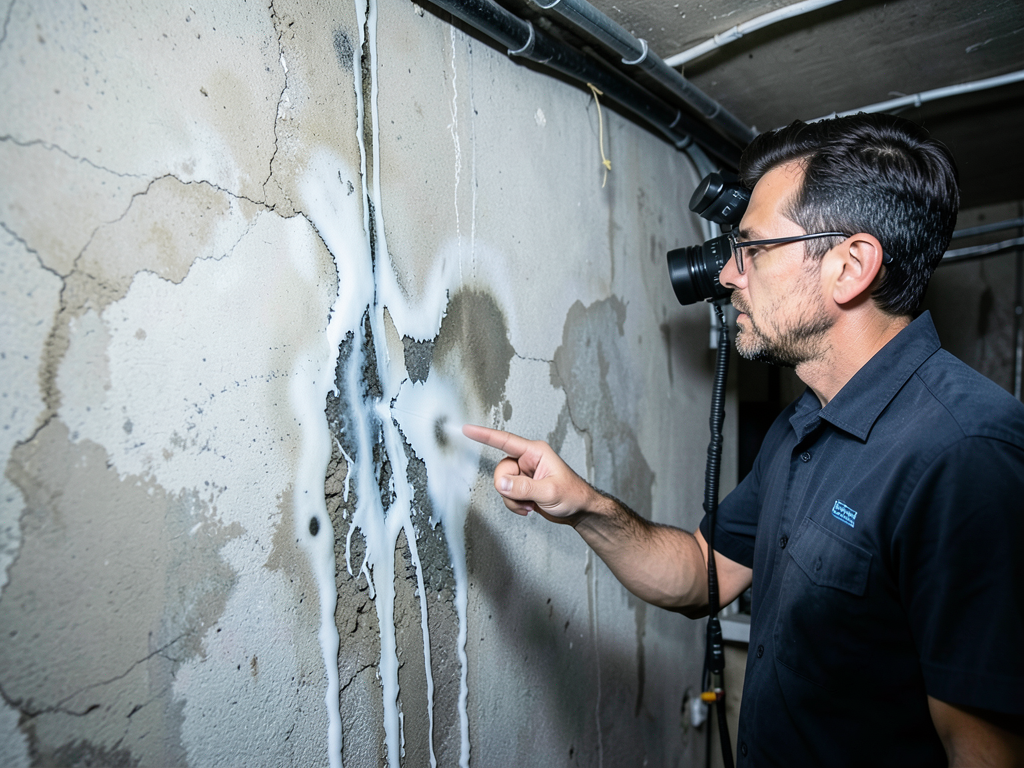
Diagram showing foundation wall with water movement arrows: surface runoff entering through gaps vs hydrostatic pressure forcing water through concrete pores. Read more about Managing Water Runoff and Erosion for Homes on Cincinnati’s Steep Hillsides.
Quick Diagnostic: Is it Seepage or Runoff?
| Timing | Seepage | Runoff |
|---|---|---|
| When water appears | Hours after rain stops | During or immediately after rain |
| Location pattern | Floor cracks cove joints | Wall seams window corners |
| Visual clues | Efflorescence mineral deposits | Staining at entry points |
| Duration | Persists for days | Stops when rain stops |
Understanding Runoff: The Surface Water Problem
Surface runoff occurs when water cannot drain away from your foundation fast enough. Common causes in West Chester include clogged gutters overflowing near foundation walls, downspouts dumping water within five feet of the house, negative grading where soil slopes toward rather than away from walls, and impervious surfaces like patios or driveways directing water toward the basement. What to Do When Your Indian Hill Basement Floods Unexpectedly.
During heavy spring storms Cincinnati’s clay soil becomes saturated quickly. Water follows the path of least resistance often finding cracks around basement windows, gaps where walls meet floors, or deteriorated mortar joints in older brick foundations. The problem compounds when multiple sources feed water toward the same area creating pressure that forces entry through even tiny openings.. Read more about How to Dry Out a Wet Elevator Pit in Your Downtown Cincinnati Commercial Building.
Runoff damage typically shows as water stains concentrated around specific entry points. You might see damp spots beneath windows, water trails along wall seams, or puddling in corners where two walls meet. The water often carries dirt and debris leaving visible trails. Mold growth appears in these areas because moisture lingers where water enters repeatedly.. Read more about Why your insurance agent might recommend water backup coverage for your West Chester home.
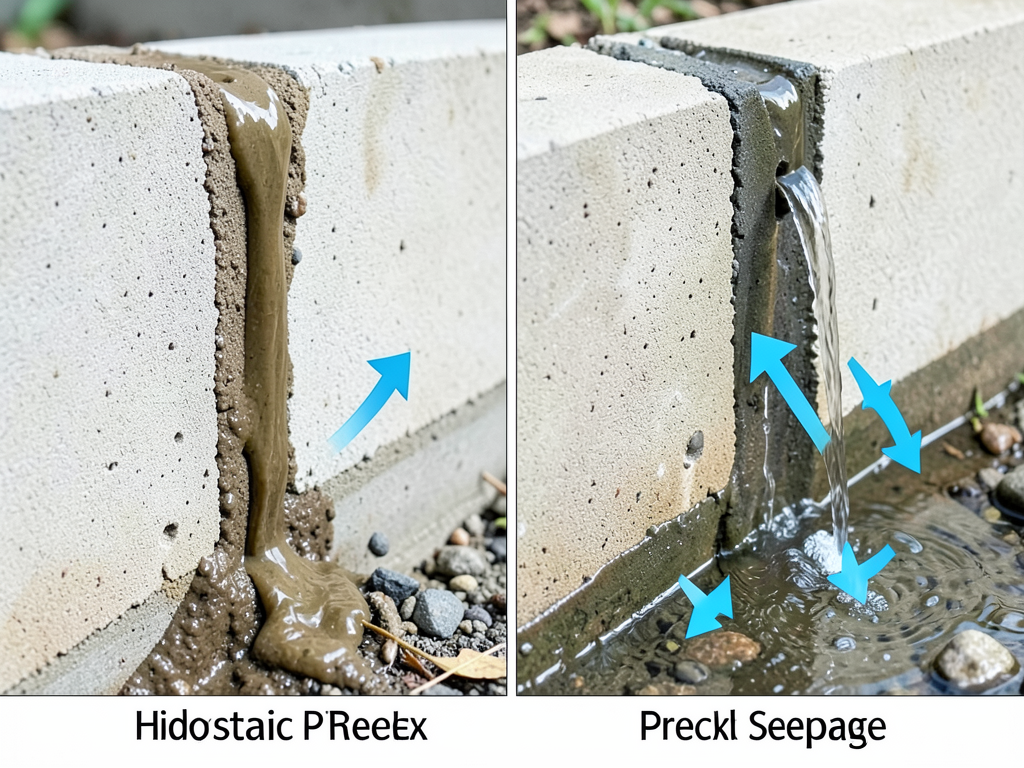
Photo showing water stains and efflorescence on a foundation wall with visible mineral deposits and mold growth at the base
Understanding Seepage: The Hydrostatic Pressure Factor
Seepage happens when saturated soil creates hydrostatic pressure against foundation walls. This pressure forces water through concrete’s porous structure regardless of whether cracks exist. West Chester’s heavy clay soil holds water against foundations for extended periods after storms. As soil expands it pushes against walls creating forces that can exceed 30 pounds per square foot.
Water moves through concrete via capillary action pulling moisture through microscopic pores. This process continues even when external water sources stop. You might notice dampness appearing on interior walls hours or days after rain ends as pressure forces water through concrete at a rate of about one inch per hour through typical foundation walls.
Seepage often enters through cove joints where walls meet floors. This happens because water seeks the path of least resistance and the cove joint represents a controlled failure point in many basement designs. Water may also rise through floor cracks especially in areas with high water tables common near West Chester’s stream valleys and low-lying areas. Reliable Sump Pump Failure Repair and Cleanup in Anderson Township.
Professional moisture meters detect seepage by measuring moisture content at different depths. Surface readings might show normal levels while deeper readings reveal saturation. This pattern indicates water moving through materials rather than sitting on surfaces. Thermal imaging cameras reveal cool spots where evaporation creates temperature differences confirming active moisture movement.
The Cincinnati Factor: Why Local Geography Matters
West Chester sits in the Ohio River Valley where clay-rich soils from ancient lakebeds create persistent moisture problems. The area’s geology includes layers of clay over shale which trap water in pockets. When these pockets become saturated pressure builds against foundations regardless of exterior drainage conditions.
Local building codes per the Ohio Building Code Section 1805 require specific foundation drainage systems for new construction but many West Chester homes predate these requirements. Older neighborhoods like those near Voice of America MetroPark often lack proper perimeter drains that modern codes mandate. This creates vulnerability in established areas where soil conditions have changed over decades.
West Chester’s seasonal weather patterns exacerbate both seepage and runoff. Spring brings heavy rains on frozen ground creating conditions where water cannot absorb creating surface flooding. Summer thunderstorms dump inches of rain in hours overwhelming even well-designed drainage systems. Winter freeze-thaw cycles cause soil expansion that widens existing foundation cracks allowing more water entry during spring thaws. Frozen Pipe Burst Cleanup.
Local soil testing shows West Chester’s clay content often exceeds sixty percent. This compares to ideal drainage soils which contain less than twenty percent clay. The high clay content means water moves laterally through soil rather than downward creating underground streams that flow toward foundations. These subsurface water movements continue long after surface water disappears.
Solutions and Remediation
Runoff solutions focus on keeping water away from foundations. Extend downspouts at least six feet from foundation walls using solid drain pipes rather than flexible tubing which can collapse. Grade soil to create a six-inch drop in elevation within the first ten feet from foundation walls. Clean gutters regularly removing debris that causes overflow. Install gutter guards to prevent future clogs.
Seepage requires managing water pressure against foundations. Install interior French drains along basement perimeters to collect water and direct it to sump pumps. Apply waterproof coatings to interior walls creating barriers against moisture penetration. Install vapor barriers on walls to prevent condensation and mold growth. For severe cases exterior waterproofing may be necessary involving excavation and membrane application.
Sump pump systems provide critical protection against both seepage and runoff. A properly sized pump should handle your basement’s square footage plus a safety factor for heavy storms. Battery backup systems ensure operation during power outages common during severe weather. Alarm systems alert you when pumps fail or water levels rise unexpectedly. Fast Sewage Backup Cleanup Services for Over-the-Rhine Businesses.
Professional moisture mapping identifies problem areas using thermal imaging and moisture meters. This diagnostic process reveals hidden moisture pockets behind walls or under floors that visual inspection misses. Mapping guides targeted repairs rather than blanket solutions saving money and disruption.
Photo of a sump pump installation with battery backup system showing discharge pipes and control panel
When to Call a Professional
Call immediately if you notice structural cracks wider than one-eighth inch, water entering through multiple locations, or mold covering areas larger than ten square feet. Electrical hazards require emergency response if water contacts outlets or appliances. Musty odors persisting after drying indicate hidden moisture requiring professional detection equipment.
Professional assessment becomes critical when DIY solutions fail or when water damage affects living spaces. Licensed contractors use industrial-grade equipment including commercial dehumidifiers, air movers, and moisture detection tools unavailable to homeowners. They also understand building codes and can ensure repairs meet local requirements per Ohio Building Code standards.. Read more about Best Smart Leak Detectors for Homeowners in Mason and West Chester.
Insurance coverage often depends on the water source. Sudden runoff from storms typically qualifies for coverage while gradual seepage from poor drainage usually does not. Document damage with photos and keep receipts for emergency repairs. Professional assessments provide documentation insurance companies require for claims processing.
Prevention costs less than restoration. Annual gutter cleaning prevents overflow. Grading inspections catch negative slopes before they cause damage. Sump pump testing ensures operation when needed. These simple steps prevent the thousands of dollars in damage that water intrusion causes.
Frequently Asked Questions
How can I tell if water is coming from outside or inside my basement?
Outside water typically enters at ground level or through floor cracks showing efflorescence or dirt trails. Inside water from plumbing leaks appears near fixtures and lacks mineral deposits. Moisture meters can distinguish between surface condensation and subsurface moisture movement.
Will sealing foundation cracks solve my water problem?
Crack sealing helps but rarely solves seepage issues alone. Water follows the path of least resistance and may simply find new entry points. Comprehensive solutions address both the symptoms and underlying causes like hydrostatic pressure or poor drainage.
How much does professional waterproofing cost in West Chester?
Costs vary widely based on basement size severity and solution type. Interior French drains typically range from $3000 to $8000 while exterior waterproofing can exceed $15000. Most homeowners find that addressing specific problem areas costs less than whole-basement systems.
Can I install a sump pump myself?
DIY installation is possible but professional installation ensures proper sizing compliance with local codes and integration with existing drainage systems. Improper installation can lead to pump failure during critical moments or code violations that complicate future home sales.
How long does basement waterproofing take to cure?
Most interior waterproofing systems cure within 24 to 48 hours. Exterior waterproofing may require several days for excavation application and backfilling. Full moisture mitigation often takes weeks as materials dry and systems stabilize under varying conditions.
- Check Timing
Note when water appears during rain immediately after or days later. This timing indicates whether you have runoff or seepage.
- Inspect Entry Points
Look for water trails efflorescence or mineral deposits. Surface entry shows staining while seepage often appears as dampness without clear entry points.
- Test with Moisture Meter
Measure moisture at different depths. Surface readings indicate condensation while deeper readings suggest subsurface moisture movement through materials.
- Examine Exterior Grading
Check if soil slopes toward or away from foundation. Negative grading indicates runoff problems while level or positive grading with persistent moisture suggests seepage.
- Monitor Weather Patterns
Track water appearance relative to rainfall. Water appearing hours after rain stops strongly indicates hydrostatic pressure forcing water through foundation materials.
Water damage in West Chester basements requires understanding the difference between foundation seepage and surface runoff. Clay soil and Ohio’s weather patterns create conditions where both problems often occur simultaneously. Quick diagnosis through timing location and visual clues helps determine whether you need drainage improvements or waterproofing systems.
Professional assessment provides accurate diagnosis and ensures compliance with local building codes. DIY solutions work for simple runoff issues but seepage often requires specialized equipment and expertise. The cost of prevention always falls below restoration expenses from untreated water damage.
Call (513) 717-2522 today to schedule your inspection before the next storm hits. Our technicians use thermal imaging and moisture meters to identify water sources and recommend targeted solutions that protect your home and investment.
Don’t wait for water damage to worsen. Pick up the phone and call (513) 717-2522 now. We serve West Chester and all surrounding Cincinnati communities with 24/7 emergency response for basement water issues. For more information, visit IICRC S500 water damage restoration standards.
You may also find this helpful. Signs Your Mt Washington Retaining Wall is Failing and Flooding Your Yard.
{
“@context”: “https://schema.org”,
“@type”: “BlogPosting”,
“headline”: “Identifying the Difference Between Foundation Seepage and Surface Runoff in West Chester”,
“description”: “Learn to identify foundation seepage vs surface runoff in West Chester basements. Understand local clay soil, hydrostatic pressure, and when to call for professional water damage restoration.”,
“wordCount”: 1922,
“datePublished”: “2026-05-07T07:05:00.000Z”,
“dateModified”: “2026-05-07T07:05:00.000Z”,
“inLanguage”: “en-US”,
“mainEntityOfPage”: {
“@type”: “WebPage”,
“@id”: “https://acewaterdamagerestorationcincinnati.com”
},
“publisher”: {
“@type”: “LocalBusiness”,
“name”: “Ace Water Damage Restoration Cincinnati”,
“url”: “https://acewaterdamagerestorationcincinnati.com”
},
“author”: {
“@type”: “Organization”,
“name”: “Ace Water Damage Restoration Cincinnati”,
“url”: “https://acewaterdamagerestorationcincinnati.com”
},
“image”: {
“@type”: “ImageObject”,
“url”: “https://acewaterdamagerestorationcincinnati.com/wp-content/uploads/2026/03/identifying-the-difference-between-foundation-seep-1.png”
}
}
{
“@context”: “https://schema.org”,
“@type”: “LocalBusiness”,
“name”: “Ace Water Damage Restoration Cincinnati”,
“url”: “https://acewaterdamagerestorationcincinnati.com”,
“address”: {
“@type”: “PostalAddress”,
“addressLocality”: “Cincinnati”
},
“areaServed”: {
“@type”: “City”,
“name”: “Cincinnati”
}
}
{
“@context”: “https://schema.org”,
“@type”: “FAQPage”,
“mainEntity”: [
{
“@type”: “Question”,
“name”: “How can I tell if water is coming from outside or inside my basement?”,
“acceptedAnswer”: {
“@type”: “Answer”,
“text”: “Outside water typically enters at ground level or through floor cracks showing efflorescence or dirt trails. Inside water from plumbing leaks appears near fixtures and lacks mineral deposits. Moisture meters can distinguish between surface condensation and subsurface moisture movement.”
}
},
{
“@type”: “Question”,
“name”: “Will sealing foundation cracks solve my water problem?”,
“acceptedAnswer”: {
“@type”: “Answer”,
“text”: “Crack sealing helps but rarely solves seepage issues alone. Water follows the path of least resistance and may simply find new entry points. Comprehensive solutions address both the symptoms and underlying causes like hydrostatic pressure or poor drainage.”
}
},
{
“@type”: “Question”,
“name”: “How much does professional waterproofing cost in West Chester?”,
“acceptedAnswer”: {
“@type”: “Answer”,
“text”: “Costs vary widely based on basement size severity and solution type. Interior French drains typically range from $3000 to $8000 while exterior waterproofing can exceed $15000. Most homeowners find that addressing specific problem areas costs less than whole-basement systems.”
}
},
{
“@type”: “Question”,
“name”: “Can I install a sump pump myself?”,
“acceptedAnswer”: {
“@type”: “Answer”,
“text”: “DIY installation is possible but professional installation ensures proper sizing compliance with local codes and integration with existing drainage systems. Improper installation can lead to pump failure during critical moments or code violations that complicate future home sales.”
}
},
{
“@type”: “Question”,
“name”: “How long does basement waterproofing take to cure?”,
“acceptedAnswer”: {
“@type”: “Answer”,
“text”: “Most interior waterproofing systems cure within 24 to 48 hours. Exterior waterproofing may require several days for excavation application and backfilling. Full moisture mitigation often takes weeks as materials dry and systems stabilize under varying conditions.”
}
}
]
}
{
“@context”: “https://schema.org”,
“@type”: “HowTo”,
“name”: “How to Diagnose Basement Water Intrusion”,
“step”: [
{
“@type”: “HowToStep”,
“position”: 1,
“name”: “Check Timing”,
“text”: “Note when water appears during rain immediately after or days later. This timing indicates whether you have runoff or seepage.”
},
{
“@type”: “HowToStep”,
“position”: 2,
“name”: “Inspect Entry Points”,
“text”: “Look for water trails efflorescence or mineral deposits. Surface entry shows staining while seepage often appears as dampness without clear entry points.”
},
{
“@type”: “HowToStep”,
“position”: 3,
“name”: “Test with Moisture Meter”,
“text”: “Measure moisture at different depths. Surface readings indicate condensation while deeper readings suggest subsurface moisture movement through materials.”
},
{
“@type”: “HowToStep”,
“position”: 4,
“name”: “Examine Exterior Grading”,
“text”: “Check if soil slopes toward or away from foundation. Negative grading indicates runoff problems while level or positive grading with persistent moisture suggests seepage.”
},
{
“@type”: “HowToStep”,
“position”: 5,
“name”: “Monitor Weather Patterns”,
“text”: “Track water appearance relative to rainfall. Water appearing hours after rain stops strongly indicates hydrostatic pressure forcing water through foundation materials.”
}
],
“image”: “https://acewaterdamagerestorationcincinnati.com/wp-content/uploads/2026/03/identifying-the-difference-between-foundation-seep-1.png”
}
{
“@context”: “https://schema.org”,
“@type”: “BreadcrumbList”,
“itemListElement”: [
{
“@type”: “ListItem”,
“position”: 1,
“name”: “Home”,
“item”: “https://acewaterdamagerestorationcincinnati.com”
},
{
“@type”: “ListItem”,
“position”: 2,
“name”: “Blog”,
“item”: “https://acewaterdamagerestorationcincinnati.com/blog”
},
{
“@type”: “ListItem”,
“position”: 3,
“name”: “Identifying the Difference Between Foundation Seepage and Surface Runoff in West Chester”
}
]
}
{
“@context”: “https://schema.org”,
“@type”: “Service”,
“serviceType”: “Water Damage Restoration”,
“provider”: {
“@type”: “LocalBusiness”,
“name”: “Ace Water Damage Restoration Cincinnati”,
“url”: “https://acewaterdamagerestorationcincinnati.com”
},
“areaServed”: {
“@type”: “City”,
“name”: “Cincinnati”
},
“description”: “Learn to identify foundation seepage vs surface runoff in West Chester basements. Understand local clay soil, hydrostatic pressure, and when to call for professional water damage restoration.”
}