
Signs Your Mt Washington Retaining Wall is Failing and Flooding Your Yard
Your Mt Washington yard sits on steep slopes where heavy Ohio clay soil and seasonal freeze-thaw cycles put retaining walls under constant stress. When these walls fail, water builds up behind them, creating hydrostatic pressure that can crack foundations and flood basements. The first warning signs often appear as hairline cracks or white mineral deposits, but by the time you see water pooling, the damage is already spreading. Understanding these early symptoms can save you thousands in structural repairs. EPA National Pollutant Discharge Elimination System.
Common Signs of Retaining Wall Failure
Water damage from failing retaining walls often starts subtly. You might notice a slight bulge in the wall face or soil pushing out from the base. These are signs that hydrostatic pressure is building up behind the wall. In Mt Washington’s clay-heavy soil, this pressure intensifies during spring rains when the ground becomes saturated. The wall begins to lean outward, creating gaps where water seeps through. Efflorescence – that white, powdery substance on the wall surface – indicates water is already moving through the masonry and leaving mineral deposits behind. Water Damage Restoration Blue Ash.
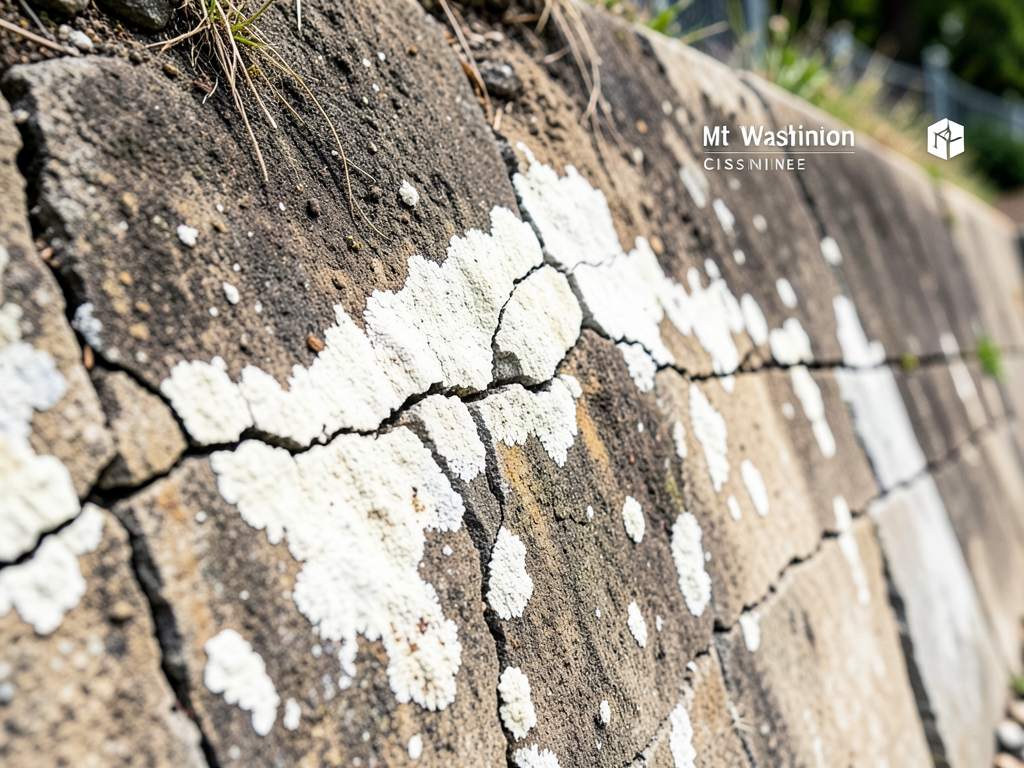
Image: Close-up of efflorescence and hairline cracks on a failing retaining wall in Mt Washington
Five Warning Signs to Watch For
- Bowing or bulging wall face – The wall curves outward under pressure
- Cracks running horizontally or diagonally – These indicate structural stress
- Soil erosion at the base – Water washing away supporting soil
- Standing water behind or at the wall base – Poor drainage is already occurring
- Increased basement moisture – Water finding paths into your home
How Cincinnati’s Climate and Soil Contribute to Wall Failure
Mt Washington sits on the Kope Formation – a dense, clay-rich soil that expands when wet and contracts when dry. This creates a dangerous cycle for retaining walls. During Cincinnati’s wet springs, the clay absorbs water like a sponge. When winter arrives, that moisture freezes and expands by about 9%, pushing against the wall from behind. The freeze-thaw cycle repeats throughout the season, gradually weakening the wall’s structural integrity. Hamilton County building codes require proper drainage systems for walls over 4 feet tall, but many older Mt Washington homes were built before these standards existed.
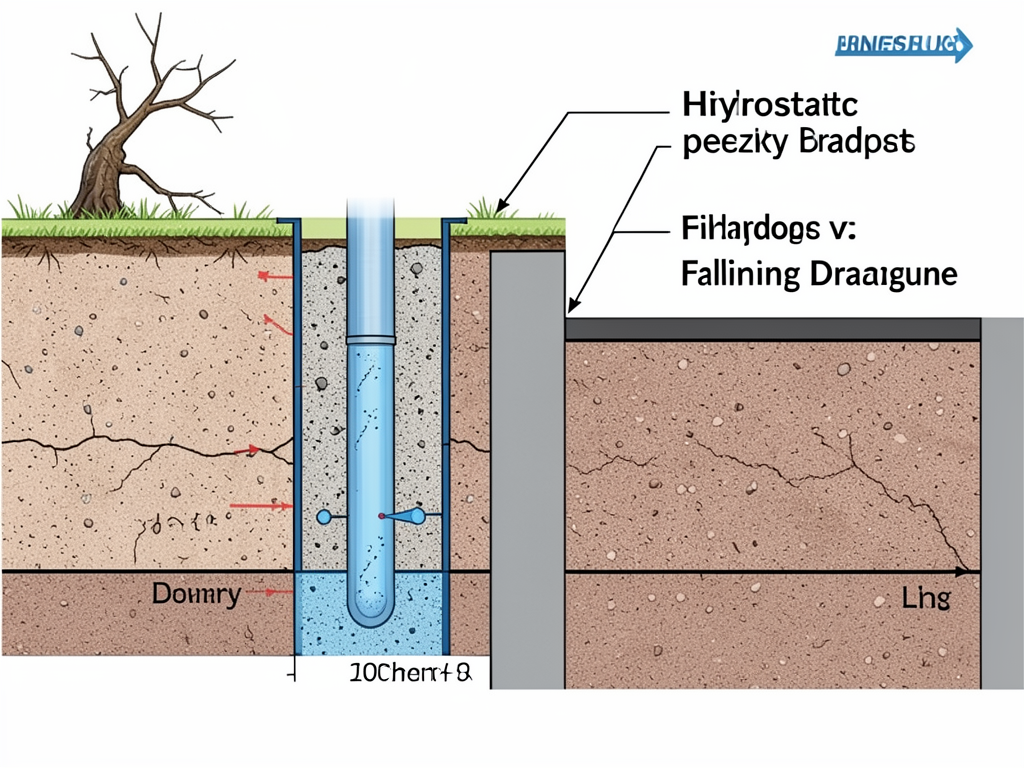
Image: Cross-section diagram showing hydrostatic pressure buildup behind a retaining wall
The Science Behind Wall Failure
Hydrostatic pressure is the force water exerts when it accumulates behind a barrier. For every foot of water depth, pressure increases by about 0.43 pounds per square inch. On a typical 6-foot retaining wall, that’s over 2.5 psi of constant pressure during heavy rains. Without proper drainage, this force can exceed what the wall was designed to handle. The Ohio Building Code (OBC) Section 1808.7 requires retaining walls to have adequate drainage systems to prevent this exact scenario. When these systems fail or were never installed, the wall becomes a dam holding back tons of saturated soil and water. Ohio Building Code Section 1808.7.
Why Your Basement is at Risk
When a retaining wall fails, the water doesn’t just disappear – it finds the path of least resistance. In Mt Washington’s hillside neighborhoods, that often means water flows toward your home’s foundation. The pressure can crack basement walls, allowing water to seep in through floor cracks or around pipe penetrations. Many Mt Washington homes have finished basements where this water damage causes extensive mold growth and structural issues. The problem compounds because water in the basement creates humidity that damages drywall, flooring, and stored belongings. What to Do When Your Indian Hill Basement Floods Unexpectedly.
Common Causes of Retaining Wall Drainage Failure
Most retaining wall failures in Mt Washington stem from inadequate drainage design. The original builders may have skipped installing perforated drain pipes or used the wrong type of gravel backfill. Without proper drainage, water has nowhere to go but to build up pressure. Another common issue is clogged weep holes – those small openings meant to let water escape. When these get blocked by sediment or plant roots, the drainage system stops working. Some walls lack landscape fabric between the soil and gravel, allowing fine particles to migrate and clog the drainage layer over time. Reliable Sump Pump Failure Repair and Cleanup in Anderson Township.
Professional Solutions for Failing Walls
Repairing a failing retaining wall requires more than just patching cracks. The underlying drainage issues must be addressed to prevent future failure. Professional restoration involves excavating behind the wall to install proper drainage systems – typically perforated pipes surrounded by clean gravel (#57 stone) and geotextile fabric. The wall itself may need reinforcement with steel tiebacks or reconstruction if the damage is severe. For Mt Washington’s steep slopes, proper grading and surface water management are essential to reduce the load on the wall.
When to Call a Professional
Minor surface cracks might be cosmetic, but certain signs indicate immediate professional attention is needed. If you see the wall leaning more than 2 inches out of plumb, hear cracking sounds during rain, or notice water actively seeping through the wall, you need expert assessment. The longer you wait, the more expensive the repairs become. Water damage to your basement can cost thousands to remediate, not to mention the potential for mold growth and structural compromise. Early intervention is always more cost-effective than emergency repairs after a wall collapse.
Cost Factors for Retaining Wall Repairs
Repair costs vary widely based on the extent of damage and wall height. Minor drainage improvements might cost $1,500-$3,000, while complete wall reconstruction can run $10,000-$25,000 or more. Factors affecting cost include wall height, accessibility of the site, soil conditions, and whether you need engineering permits from Hamilton County. Emergency repairs during rainy seasons often cost more due to rushed timelines and weather constraints. However, addressing the problem now prevents the much higher costs of basement flooding damage, which can easily exceed $10,000 for water extraction, drying, and restoration.
Preventing Future Retaining Wall Failures
Regular maintenance can extend your retaining wall’s life by years. Keep weep holes clear of debris, ensure surface drains aren’t clogged, and watch for early signs of movement. During Cincinnati’s wet seasons, check your wall after heavy rains for any new cracks or bulges. Consider having a professional inspect older walls every 3-5 years, especially those built before current building codes. Proper landscaping also helps – avoid planting trees too close to the wall as roots can damage the structure and create new pathways for water infiltration.
Local Building Code Requirements
Hamilton County and the City of Cincinnati have specific requirements for retaining walls that many homeowners don’t realize. Walls over 4 feet tall require engineering approval and permits. The Ohio Building Code mandates specific drainage systems, including gravel backfill and perforated pipes for walls of certain heights. In hillside areas like Mt Washington, additional requirements may apply due to landslide risks. Professional restoration companies understand these codes and ensure all repairs meet current standards, protecting you from liability if the wall fails again.
Insurance Considerations for Wall Failure
Most homeowners insurance policies don’t cover retaining wall failure unless it results from a covered peril like a vehicle impact or certain natural disasters. Gradual failure due to poor construction or maintenance is typically excluded. However, if the wall failure leads to basement flooding, that water damage might be covered depending on your policy. Document everything if you experience wall failure – take photos, keep receipts for any emergency measures, and contact your insurance company promptly. Professional restoration companies can often bill insurance directly for covered water damage repairs.
Case Study: Recent Mt Washington Project
Last spring, we responded to a call in the 45230 zip code where a homeowner noticed water seeping into their finished basement during heavy rains. Our inspection revealed a 30-year-old retaining wall showing classic signs of failure – horizontal cracks, a slight lean, and clogged drainage. The wall was holding back a significant amount of saturated soil on a steep slope. We excavated the area, installed a new drainage system with perforated pipe and clean gravel, reinforced the wall with steel tiebacks, and waterproofed the basement where water had entered. The homeowner avoided what could have been a catastrophic wall collapse and saved thousands in potential interior damage.
Emergency Response for Wall Failure
When a retaining wall shows signs of imminent failure, quick action is essential. If you hear cracking sounds, see significant movement, or notice water actively flowing through the wall, evacuate the area and call for professional help immediately. Do not attempt to brace the wall yourself – falling concrete can cause serious injury. Professional restoration teams can assess the situation, implement temporary stabilization measures, and develop a repair plan. In Mt Washington’s hillside terrain, wall failures can sometimes trigger small landslides, making professional assessment critical for safety.
Long-term Solutions for Steep Slopes
For properties on Mt Washington’s steepest slopes, traditional retaining walls may not be the best long-term solution. Terraced landscaping with multiple smaller walls, or even soil bioengineering techniques using deep-rooted plants, can provide more resilient erosion control. These approaches work with the natural slope rather than fighting against it. Professional assessment can determine whether your property would benefit from these alternative approaches, especially if you’ve experienced repeated wall failures or have ongoing drainage issues that standard repairs don’t resolve.
Environmental Impact of Wall Failure
Beyond property damage, failing retaining walls can have environmental consequences. When walls collapse, they often send sediment and debris into storm drains and local waterways. In Mt Washington’s hillside neighborhoods, this runoff can affect the Little Miami River watershed. Professional restoration includes proper disposal of contaminated materials and often incorporates erosion control measures to prevent future environmental damage. Some homeowners are now choosing eco-friendly repair options that use recycled materials or incorporate rain gardens to manage drainage more sustainably.
DIY vs. Professional Repairs: What You Need to Know
While minor crack sealing might be a DIY project, retaining wall repairs require professional expertise. The weight of saturated soil is enormous – a single cubic yard can weigh over 3,000 pounds when wet. Without proper equipment and knowledge, DIY repairs can be dangerous and often fail within months. Professional restoration teams have the tools to excavate safely, the expertise to diagnose underlying issues, and the resources to ensure repairs meet building codes. They also provide warranties on their work, giving you peace of mind that the problem is truly resolved.
Future-Proofing Your Property
As climate patterns shift and Cincinnati experiences more intense rainfall events, retaining walls face greater stress than ever before. Future-proofing your property might mean upgrading older walls to handle increased water loads, installing smart drainage systems with sensors that alert you to problems, or redesigning your landscape to work with natural water flow. Professional assessment can identify vulnerabilities specific to your property and recommend solutions that will protect your home for decades to come.
Frequently Asked Questions
How much does it cost to repair a failing retaining wall?
Repair costs typically range from $1,500 for minor drainage fixes to $25,000+ for complete wall reconstruction, depending on wall height, damage extent, and site conditions. Emergency repairs during rainy seasons often cost more due to rushed timelines.
Can I prevent my retaining wall from failing?
Yes, regular maintenance helps prevent failure. Keep weep holes clear, ensure surface drains work properly, check for early signs of movement after heavy rains, and have older walls inspected every 3-5 years by professionals familiar with Cincinnati’s clay soil and freeze-thaw cycles.
Will my homeowners insurance cover retaining wall repairs?
Most policies don’t cover gradual wall failure due to poor construction or maintenance. However, if wall failure leads to basement flooding, that water damage might be covered depending on your policy. Always document damage and contact your insurance company promptly.
How long does retaining wall repair take?
Minor repairs might take 1-2 days, while complete wall reconstruction can take 1-2 weeks depending on weather, wall height, and site accessibility. Professional companies can often provide temporary stabilization while planning permanent repairs.
What causes retaining walls to fail in Cincinnati?
The primary causes are poor drainage, Cincinnati’s heavy clay soil, and freeze-thaw cycles. Without proper drainage systems, hydrostatic pressure builds up behind the wall, eventually causing it to crack, lean, or collapse. Many older Mt Washington walls were built before current building codes required proper drainage.
Take Action Before Your Wall Fails
Don’t wait until water is flooding your basement to address retaining wall problems. The signs of failure – from minor cracks to bulging walls – only get worse over time. Professional assessment can identify issues early when repairs are simpler and less expensive. Our team understands Mt Washington’s unique challenges, from the steep slopes to the heavy clay soil that makes drainage so critical. We provide thorough inspections, clear recommendations, and professional repairs that meet all Hamilton County building codes. Protect your home and property by addressing retaining wall issues before they become emergencies.
Call (513) 717-2522 today to schedule your retaining wall inspection. Our experts will assess your wall’s condition, identify any drainage problems, and provide a clear plan for repairs. Don’t let a failing wall turn into a flooded basement – take action now and save yourself thousands in potential damage. Pick up the phone and call (513) 717-2522 before the next heavy rain hits.
Image: Professional team excavating behind a retaining wall to install proper drainage system
Disclaimer: This article provides general information about retaining wall failure and water damage. Specific repair needs vary by property. Always consult with qualified professionals for assessment and repairs. Building codes and requirements may vary by location and change over time.
{
“@context”: “https://schema.org”,
“@type”: “BlogPosting”,
“headline”: “Signs Your Mt Washington Retaining Wall is Failing and Flooding Your Yard”,
“description”: “Is your Mt Washington retaining wall showing cracks or drainage issues? Learn the warning signs of failure before it floods your yard and basement. Call (513) 717-2522 for expert inspection.”,
“wordCount”: 2278,
“datePublished”: “2026-04-30T08:02:00.000Z”,
“dateModified”: “2026-04-30T08:02:00.000Z”,
“inLanguage”: “en-US”,
“mainEntityOfPage”: {
“@type”: “WebPage”,
“@id”: “https://acewaterdamagerestorationcincinnati.com”
},
“publisher”: {
“@type”: “LocalBusiness”,
“name”: “Ace Water Damage Restoration Cincinnati”,
“url”: “https://acewaterdamagerestorationcincinnati.com”
},
“author”: {
“@type”: “Organization”,
“name”: “Ace Water Damage Restoration Cincinnati”,
“url”: “https://acewaterdamagerestorationcincinnati.com”
},
“image”: {
“@type”: “ImageObject”,
“url”: “https://acewaterdamagerestorationcincinnati.com/wp-content/uploads/2026/03/signs-your-mt-washington-retaining-wall-is-failing-1.png”
}
}
{
“@context”: “https://schema.org”,
“@type”: “LocalBusiness”,
“name”: “Ace Water Damage Restoration Cincinnati”,
“url”: “https://acewaterdamagerestorationcincinnati.com”,
“address”: {
“@type”: “PostalAddress”,
“addressLocality”: “Cincinnati”
},
“areaServed”: {
“@type”: “City”,
“name”: “Cincinnati”
}
}
{
“@context”: “https://schema.org”,
“@type”: “FAQPage”,
“mainEntity”: [
{
“@type”: “Question”,
“name”: “How much does it cost to repair a failing retaining wall?”,
“acceptedAnswer”: {
“@type”: “Answer”,
“text”: “Repair costs typically range from $1,500 for minor drainage fixes to $25,000+ for complete wall reconstruction, depending on wall height, damage extent, and site conditions. Emergency repairs during rainy seasons often cost more due to rushed timelines.”
}
},
{
“@type”: “Question”,
“name”: “Can I prevent my retaining wall from failing?”,
“acceptedAnswer”: {
“@type”: “Answer”,
“text”: “Yes, regular maintenance helps prevent failure. Keep weep holes clear, ensure surface drains work properly, check for early signs of movement after heavy rains, and have older walls inspected every 3-5 years by professionals familiar with Cincinnati’s clay soil and freeze-thaw cycles.”
}
},
{
“@type”: “Question”,
“name”: “Will my homeowners insurance cover retaining wall repairs?”,
“acceptedAnswer”: {
“@type”: “Answer”,
“text”: “Most policies don’t cover gradual wall failure due to poor construction or maintenance. However, if wall failure leads to basement flooding, that water damage might be covered depending on your policy. Always document damage and contact your insurance company promptly.”
}
},
{
“@type”: “Question”,
“name”: “How long does retaining wall repair take?”,
“acceptedAnswer”: {
“@type”: “Answer”,
“text”: “Minor repairs might take 1-2 days, while complete wall reconstruction can take 1-2 weeks depending on weather, wall height, and site accessibility. Professional companies can often provide temporary stabilization while planning permanent repairs.”
}
},
{
“@type”: “Question”,
“name”: “What causes retaining walls to fail in Cincinnati?”,
“acceptedAnswer”: {
“@type”: “Answer”,
“text”: “The primary causes are poor drainage, Cincinnati’s heavy clay soil, and freeze-thaw cycles. Without proper drainage systems, hydrostatic pressure builds up behind the wall, eventually causing it to crack, lean, or collapse. Many older Mt Washington walls were built before current building codes required proper drainage.”
}
}
]
}
{
“@context”: “https://schema.org”,
“@type”: “BreadcrumbList”,
“itemListElement”: [
{
“@type”: “ListItem”,
“position”: 1,
“name”: “Home”,
“item”: “https://acewaterdamagerestorationcincinnati.com”
},
{
“@type”: “ListItem”,
“position”: 2,
“name”: “Blog”,
“item”: “https://acewaterdamagerestorationcincinnati.com/blog”
},
{
“@type”: “ListItem”,
“position”: 3,
“name”: “Signs Your Mt Washington Retaining Wall is Failing and Flooding Your Yard”
}
]
}
{
“@context”: “https://schema.org”,
“@type”: “Service”,
“serviceType”: “Water Damage Restoration”,
“provider”: {
“@type”: “LocalBusiness”,
“name”: “Ace Water Damage Restoration Cincinnati”,
“url”: “https://acewaterdamagerestorationcincinnati.com”
},
“areaServed”: {
“@type”: “City”,
“name”: “Cincinnati”
},
“description”: “Is your Mt Washington retaining wall showing cracks or drainage issues? Learn the warning signs of failure before it floods your yard and basement. Call (513) 717-2522 for expert inspection.”
}