
Why Your Sump Pump Discharge Line is Clogged in Dent
Your basement just flooded again and you’re wondering why your sump pump isn’t working. The problem might not be the pump itself but the discharge line buried in your yard. In Dent, Ohio, discharge lines face unique challenges from our heavy clay soil and freeze-thaw cycles that can turn a simple drainage pipe into a basement flood waiting to happen. What to Do When Your Indian Hill Basement Floods Unexpectedly.
Discharge lines carry water from your sump pump to a safe distance from your foundation. When these pipes clog, freeze, or break, water backs up into your basement faster than you can react. This guide explains the specific discharge line problems Dent homeowners face and what you can do about them before the next storm hits. Water Damage Restoration Blue Ash.
Common Discharge Line Problems in Dent
Most homeowners think their sump pump failed when water appears in the basement. But in Dent, the real culprit is often the discharge line. Our area’s heavy clay soil combined with Cincinnati’s freeze-thaw cycles creates a perfect storm for discharge line failures. Reliable Sump Pump Failure Repair and Cleanup in Anderson Township.
The discharge pipe runs from your sump pump through the basement wall to the outside. Once outside, it typically runs underground for 10 to 20 feet before emptying. This buried section faces constant pressure from expanding clay soil, tree roots, and temperature changes that can crack or collapse the pipe.
During winter, water in the discharge line freezes and expands. This ice blockage forces water back toward your foundation. When spring rains come, your sump pump works overtime but the frozen discharge line can’t handle the volume, leading to basement flooding. Frozen Pipe Burst Cleanup.
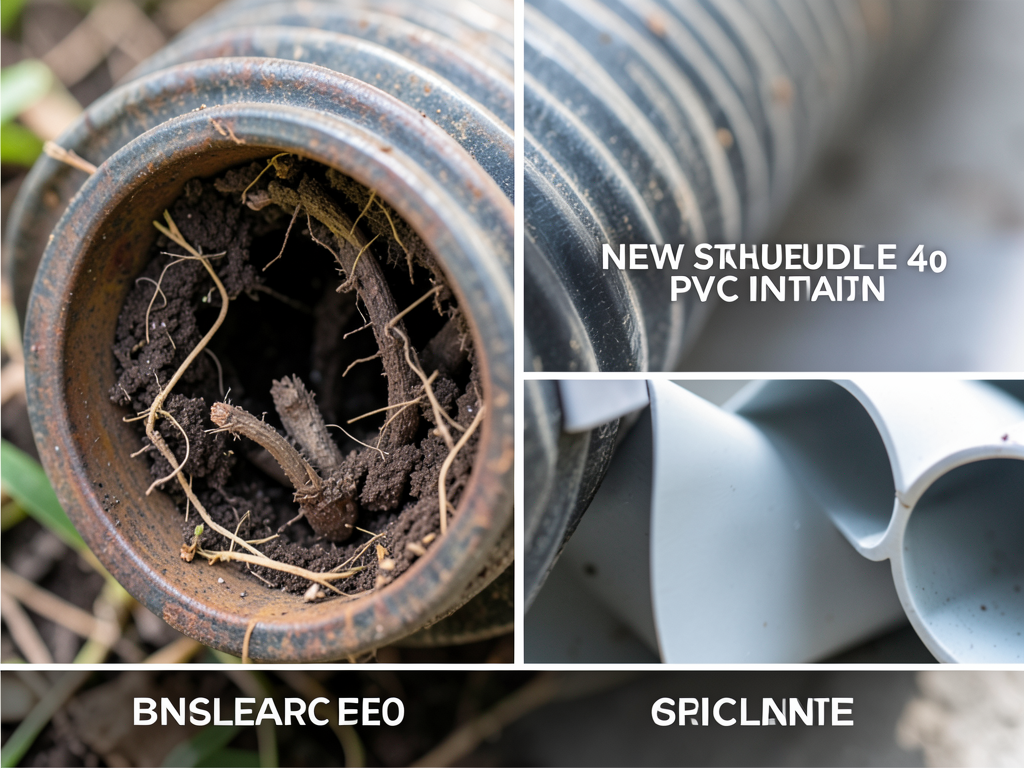
Tree roots from maple and oak trees common in Dent neighborhoods seek out the moisture in discharge lines. These roots grow into small cracks and eventually block the entire pipe. Once roots enter, the line needs complete replacement rather than simple cleaning.
How to Spot a Clogged Discharge Line
Before your basement floods, your sump pump gives warning signs. The most obvious is short cycling – when the pump turns on and off rapidly without actually pumping water out. This happens because water can’t exit through the blocked discharge line.
Listen for your sump pump running continuously but not stopping. This indicates the pump is working but water isn’t leaving your property. You might also hear gurgling sounds from the discharge pipe when the pump activates.
Check outside near where your discharge line exits the foundation. Look for water pooling in your yard during pump operation or soggy spots that never dry out. These are signs the discharge line is broken underground and water is surfacing before reaching its intended outlet.
During freezing weather, watch for ice formations around the discharge outlet. Large ice blocks or frozen ground around the pipe indicate the line is frozen and needs immediate attention before the next thaw.
Discharge Line Repair Process in Dent
Professional discharge line repair starts with locating the problem. Technicians use camera inspection equipment to see inside the pipe and identify exactly where blockages or damage occur. This diagnostic step saves time and prevents unnecessary digging. EPA guidelines on sump pump discharge.
Once the problem area is identified, the repair process begins. For minor clogs, high-pressure water jetting can clear roots and debris. However, in Dent’s clay soil conditions, jetting often provides only temporary relief since roots quickly grow back into the cleared space.
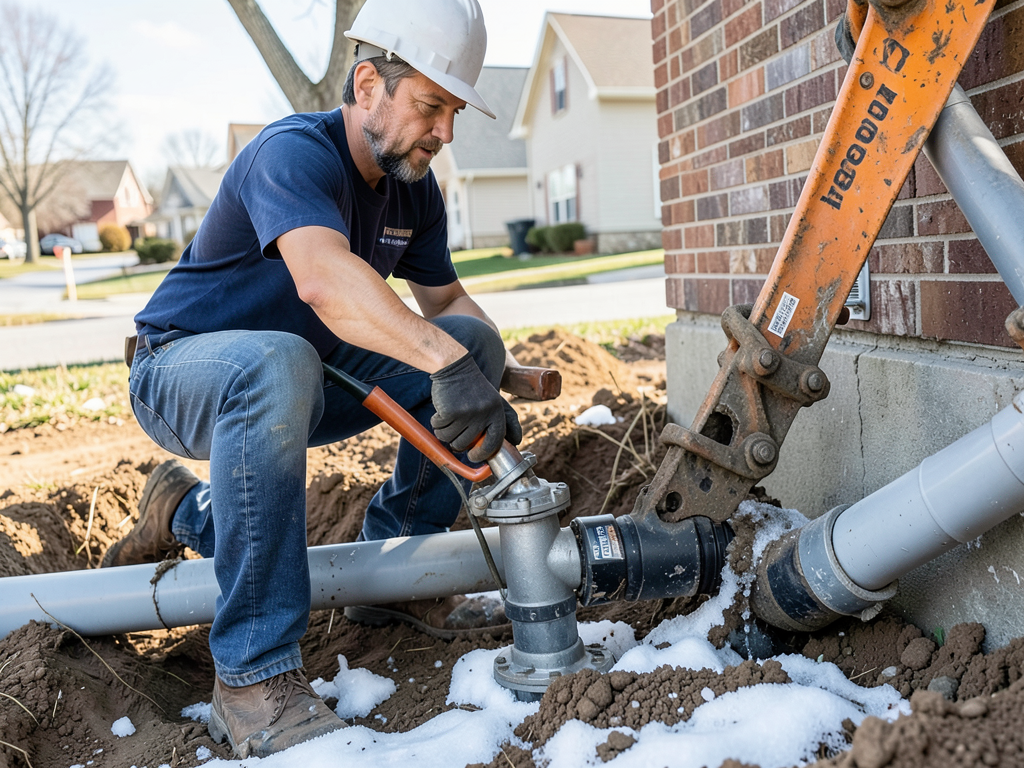
Most discharge line repairs in Dent require excavation. Technicians dig along the pipe path to expose damaged sections. They check the pipe material – older homes often have thin-walled corrugated pipe that cracks easily, while newer installations use Schedule 40 PVC that resists damage better.
During excavation, technicians also check the trench slope. Discharge lines must slope downward at least 1/4 inch per foot to ensure proper drainage. Poor slope causes water to pool in low spots where it freezes in winter.
After replacing damaged sections, technicians install cleanouts at strategic points. These access points allow future clearing without excavation. They also install IceGuard fittings near the foundation wall to provide an alternate outlet if the underground line freezes.
Preventing Frozen Discharge Lines
Ohio winters pose a serious threat to discharge lines. When temperatures drop below 20 degrees Fahrenheit, any water remaining in the pipe freezes and blocks flow. This frozen blockage forces water back toward your foundation, potentially flooding your basement within hours.
The solution is IceGuard technology. This fitting installs just outside your foundation wall and provides an air gap that allows water to escape even when the underground line is frozen. Water sprays out through multiple holes in the IceGuard fitting rather than backing up into your basement.
Proper pipe burial depth also prevents freezing. In Dent, discharge lines should be buried at least 18 inches deep to stay below the frost line. Shallower burial leaves pipes vulnerable to freezing even with IceGuard protection.
Another prevention method is installing a larger diameter discharge pipe. A 2-inch pipe freezes slower than a 1.5-inch pipe because it holds more water volume and has less surface area exposed to cold temperatures.
Regular maintenance helps too. Before winter, pour hot water through the discharge line to ensure it’s clear. Check the IceGuard fitting for debris that could block the emergency outlet holes.
Discharge Line Materials and Codes
Not all discharge pipes are created equal. The International Plumbing Code requires discharge lines to handle the pump’s flow rate without restriction. In Hamilton County, discharge lines must be Schedule 40 PVC or equivalent material that resists cracking and root intrusion.
Corrugated flexible pipe might seem easier to install but fails quickly in Dent’s conditions. The ridges trap debris and roots penetrate the thin walls. Schedule 40 PVC with glued joints provides the best long-term performance.
Local codes also regulate where discharge water can be released. In Dent and throughout Hamilton County, sump pump discharge cannot flow onto sidewalks, streets, or neighboring properties. Water must be directed to a dry well, rain garden, or storm sewer inlet at least 10 feet from your foundation.
Check valves are required on all discharge lines. These prevent water from flowing back into the sump pit when the pump shuts off. Without a check valve, your pump cycles more frequently and wears out faster.
Foundation erosion is another concern. Fast-moving water from a discharge line can wash away soil around your foundation. Proper outlet design includes a splash block or gravel bed to disperse water flow and prevent erosion.
Emergency Response for Frozen or Clogged Lines
When your discharge line freezes or clogs during a storm, every minute counts. Water can back up into your basement within 30 minutes of pump activation. The first step is shutting off the sump pump to prevent burnout.
Check the discharge outlet outside. If you see ice or water pooling, the line is blocked. For frozen lines, apply heat tape or hot water to the exposed section near the foundation. Never use open flame or boiling water as this can damage pipes.
If the blockage is severe, professional help is needed. Technicians use steam machines to thaw frozen lines from the inside out. They also have vacuum equipment to remove water that has backed up in the discharge pipe.
While waiting for help, use a wet vacuum to remove water from your basement. Place towels or sandbags around the sump pit to contain overflow. Move valuables to higher ground if flooding worsens.
Emergency services in Dent typically arrive within 60 to 90 minutes. They bring the equipment needed to thaw lines, clear blockages, and install temporary bypass systems if necessary. Most companies offer 24/7 emergency response for these situations.
Cost Factors for Discharge Line Repair
Discharge line repair costs vary based on the problem’s extent. Simple clog clearing runs $200 to $400. Excavation and pipe replacement costs $1,500 to $3,500 depending on line length and depth.
IceGuard installation adds $150 to $300 to the repair cost but provides valuable freeze protection. Check valve replacement costs $100 to $200 if the existing one is faulty.
Emergency service calls during nights or weekends typically add 50% to standard rates. However, this premium is worth it when facing potential basement flooding.
Insurance may cover discharge line repairs if the damage results from a covered peril like a fallen tree or vehicle impact. However, normal wear and tear or root intrusion are typically excluded.
Preventive maintenance contracts cost $150 to $300 annually. These include annual inspections, cleaning, and minor adjustments to keep your system working properly.
Choosing a Discharge Line Repair Professional
Not all water damage companies handle discharge line repair. Look for contractors with specific experience in sump pump systems and underground drainage. Ask about their experience with Hamilton County soil conditions and local building codes.
Check for proper licensing and insurance. In Ohio, water damage restoration requires state certification. Ask to see proof of current certification and insurance coverage.
Request references from Dent area homeowners. Local experience matters because technicians familiar with your neighborhood understand the specific challenges of your soil type and typical home construction.
Get detailed written estimates that specify the materials to be used. Avoid contractors who want to use cheap corrugated pipe or who don’t mention code compliance.
Ask about warranty coverage. Quality contractors offer at least a one-year warranty on parts and labor. Some provide extended warranties on specific components like IceGuard fittings.
Long-Term Discharge Line Maintenance
Regular maintenance prevents most discharge line failures. Once a year, have your system inspected before rainy season begins. This inspection should include checking for root intrusion, pipe damage, and proper slope.
Clean your discharge line annually using a plumber’s snake or high-pressure water jet. This removes accumulated debris and roots before they cause blockages.
Check the IceGuard fitting quarterly. Clear any debris from the outlet holes and ensure the fitting moves freely. IceGuard fittings can stick in the closed position if not maintained.
Monitor your sump pump’s operation monthly. Listen for changes in sound or cycling patterns that might indicate discharge line problems. Early detection prevents basement flooding.
Keep vegetation trimmed around the discharge outlet. Overgrown plants can block the outlet or their roots can invade the pipe. Maintain at least 18 inches of clearance around the discharge area.
Frequently Asked Questions
How do I know if my discharge line is frozen?
Your sump pump runs continuously but water backs up into the basement. Check outside near the foundation for ice around the discharge outlet or water pooling in your yard during pump operation.
Can I clear a frozen discharge line myself?
You can try applying heat tape to the exposed section near the foundation or pouring warm (not boiling) water down the pipe. However, severe freezing requires professional steam equipment to thaw the line safely without damaging pipes.
How deep should a discharge line be buried?
In Dent, Ohio, discharge lines should be buried at least 18 inches deep to stay below the frost line. Shallower burial leaves pipes vulnerable to freezing even with IceGuard protection.
What’s the difference between Schedule 40 PVC and corrugated pipe?
Schedule 40 PVC is rigid with thick walls that resist cracking and root intrusion. Corrugated pipe is flexible with thin walls that roots easily penetrate. PVC provides much better long-term performance in clay soil conditions.
How much does discharge line repair cost?
Simple clog clearing runs $200 to $400. Excavation and pipe replacement costs $1,500 to $3,500. IceGuard installation adds $150 to $300. Emergency service calls during nights or weekends typically add 50% to standard rates.
Is discharge line repair covered by insurance?
Insurance may cover repairs if damage results from a covered peril like a fallen tree or vehicle impact. Normal wear and tear or root intrusion are typically excluded from coverage.
How long does discharge line repair take?
Simple clog clearing takes 1 to 2 hours. Excavation and pipe replacement typically requires 4 to 8 hours depending on line length and soil conditions. Emergency repairs are usually completed within 24 hours.
Can tree roots really block a discharge line?
Yes. Tree roots seek out moisture and can grow into small cracks in discharge pipes. Once roots enter, they expand and block the entire line. This is very common in Dent neighborhoods with mature trees.
What is an IceGuard and do I need one?
IceGuard is a fitting that provides an alternate outlet if your underground discharge line freezes. It’s highly recommended for Ohio homes because it prevents basement flooding when underground lines freeze during winter.
How often should I maintain my discharge line?
Have your system inspected annually before rainy season. Clean the line yearly using a plumber’s snake or high-pressure water jet. Check the IceGuard fitting quarterly and monitor your sump pump’s operation monthly.
Don’t Wait Until Your Basement Floods
Discharge line problems in Dent develop slowly but cause sudden basement flooding when they fail. The heavy clay soil, freeze-thaw cycles, and tree roots common in our area make these failures almost inevitable without proper maintenance and repair.
If you notice your sump pump running continuously, hear gurgling sounds, or see water pooling in your yard, don’t wait. These are warning signs that your discharge line needs immediate attention. A small problem today becomes a flooded basement tomorrow.
Call (513) 717-2522 today to schedule your discharge line inspection. Our technicians understand the specific challenges Dent homeowners face and can recommend the right solution for your property. Whether you need simple cleaning, pipe replacement, or IceGuard installation, we’ll get your system working properly before the next storm hits.
Pick up the phone and call (513) 717-2522 before the next heavy rain turns your basement into an indoor swimming pool. We offer 24/7 emergency service throughout Dent and the greater Cincinnati area.
Don’t let a clogged discharge line ruin your home. Call (513) 717-2522 now for fast, professional service you can trust. For more information, visit IICRC S500 Standard for water damage restoration.
{
“@context”: “https://schema.org”,
“@type”: “BlogPosting”,
“headline”: “Why Your Sump Pump Discharge Line is Clogged in Dent”,
“description”: “Discover why sump pump discharge lines fail in Dent, OH. Learn the common causes, repair solutions, and how to prevent basement flooding during Cincinnati’s heavy storms.”,
“wordCount”: 2343,
“datePublished”: “2026-04-18T07:45:00.000Z”,
“dateModified”: “2026-04-18T07:45:00.000Z”,
“inLanguage”: “en-US”,
“mainEntityOfPage”: {
“@type”: “WebPage”,
“@id”: “https://acewaterdamagerestorationcincinnati.com”
},
“publisher”: {
“@type”: “LocalBusiness”,
“name”: “Ace Water Damage Restoration Cincinnati”,
“url”: “https://acewaterdamagerestorationcincinnati.com”
},
“author”: {
“@type”: “Organization”,
“name”: “Ace Water Damage Restoration Cincinnati”,
“url”: “https://acewaterdamagerestorationcincinnati.com”
},
“image”: {
“@type”: “ImageObject”,
“url”: “https://acewaterdamagerestorationcincinnati.com/wp-content/uploads/2026/03/why-your-sump-pump-discharge-line-is-clogged-in-de-1.png”
}
}
{
“@context”: “https://schema.org”,
“@type”: “LocalBusiness”,
“name”: “Ace Water Damage Restoration Cincinnati”,
“url”: “https://acewaterdamagerestorationcincinnati.com”,
“address”: {
“@type”: “PostalAddress”,
“addressLocality”: “Cincinnati”
},
“areaServed”: {
“@type”: “City”,
“name”: “Cincinnati”
}
}
{
“@context”: “https://schema.org”,
“@type”: “FAQPage”,
“mainEntity”: [
{
“@type”: “Question”,
“name”: “How do I know if my discharge line is frozen?”,
“acceptedAnswer”: {
“@type”: “Answer”,
“text”: “Your sump pump runs continuously but water backs up into the basement. Check outside near the foundation for ice around the discharge outlet or water pooling in your yard during pump operation.”
}
},
{
“@type”: “Question”,
“name”: “Can I clear a frozen discharge line myself?”,
“acceptedAnswer”: {
“@type”: “Answer”,
“text”: “You can try applying heat tape to the exposed section near the foundation or pouring warm (not boiling) water down the pipe. However, severe freezing requires professional steam equipment to thaw the line safely without damaging pipes.”
}
},
{
“@type”: “Question”,
“name”: “How deep should a discharge line be buried?”,
“acceptedAnswer”: {
“@type”: “Answer”,
“text”: “In Dent, Ohio, discharge lines should be buried at least 18 inches deep to stay below the frost line. Shallower burial leaves pipes vulnerable to freezing even with IceGuard protection.”
}
},
{
“@type”: “Question”,
“name”: “What’s the difference between Schedule 40 PVC and corrugated pipe?”,
“acceptedAnswer”: {
“@type”: “Answer”,
“text”: “Schedule 40 PVC is rigid with thick walls that resist cracking and root intrusion. Corrugated pipe is flexible with thin walls that roots easily penetrate. PVC provides much better long-term performance in clay soil conditions.”
}
},
{
“@type”: “Question”,
“name”: “How much does discharge line repair cost?”,
“acceptedAnswer”: {
“@type”: “Answer”,
“text”: “Simple clog clearing runs $200 to $400. Excavation and pipe replacement costs $1,500 to $3,500. IceGuard installation adds $150 to $300. Emergency service calls during nights or weekends typically add 50% to standard rates.”
}
},
{
“@type”: “Question”,
“name”: “Is discharge line repair covered by insurance?”,
“acceptedAnswer”: {
“@type”: “Answer”,
“text”: “Insurance may cover repairs if damage results from a covered peril like a fallen tree or vehicle impact. Normal wear and tear or root intrusion are typically excluded from coverage.”
}
},
{
“@type”: “Question”,
“name”: “How long does discharge line repair take?”,
“acceptedAnswer”: {
“@type”: “Answer”,
“text”: “Simple clog clearing takes 1 to 2 hours. Excavation and pipe replacement typically requires 4 to 8 hours depending on line length and soil conditions. Emergency repairs are usually completed within 24 hours.”
}
},
{
“@type”: “Question”,
“name”: “Can tree roots really block a discharge line?”,
“acceptedAnswer”: {
“@type”: “Answer”,
“text”: “Yes. Tree roots seek out moisture and can grow into small cracks in discharge pipes. Once roots enter, they expand and block the entire line. This is very common in Dent neighborhoods with mature trees.”
}
},
{
“@type”: “Question”,
“name”: “What is an IceGuard and do I need one?”,
“acceptedAnswer”: {
“@type”: “Answer”,
“text”: “IceGuard is a fitting that provides an alternate outlet if your underground discharge line freezes. It’s highly recommended for Ohio homes because it prevents basement flooding when underground lines freeze during winter.”
}
},
{
“@type”: “Question”,
“name”: “How often should I maintain my discharge line?”,
“acceptedAnswer”: {
“@type”: “Answer”,
“text”: “Have your system inspected annually before rainy season. Clean the line yearly using a plumber’s snake or high-pressure water jet. Check the IceGuard fitting quarterly and monitor your sump pump’s operation monthly.”
}
}
]
}
{
“@context”: “https://schema.org”,
“@type”: “BreadcrumbList”,
“itemListElement”: [
{
“@type”: “ListItem”,
“position”: 1,
“name”: “Home”,
“item”: “https://acewaterdamagerestorationcincinnati.com”
},
{
“@type”: “ListItem”,
“position”: 2,
“name”: “Blog”,
“item”: “https://acewaterdamagerestorationcincinnati.com/blog”
},
{
“@type”: “ListItem”,
“position”: 3,
“name”: “Why Your Sump Pump Discharge Line is Clogged in Dent”
}
]
}
{
“@context”: “https://schema.org”,
“@type”: “Service”,
“serviceType”: “Water Damage Restoration”,
“provider”: {
“@type”: “LocalBusiness”,
“name”: “Ace Water Damage Restoration Cincinnati”,
“url”: “https://acewaterdamagerestorationcincinnati.com”
},
“areaServed”: {
“@type”: “City”,
“name”: “Cincinnati”
},
“description”: “Discover why sump pump discharge lines fail in Dent, OH. Learn the common causes, repair solutions, and how to prevent basement flooding during Cincinnati’s heavy storms.”
}