How Keeping Your Gutters Clear Saves Your Hyde Park Foundation from Cracking
When heavy spring rains hit Cincinnati’s hillside neighborhoods like Hyde Park, water follows the path of least resistance. That path often leads straight to your foundation if your gutters are clogged with leaves and debris. The connection between overflowing gutters and basement flooding is direct and destructive. Water pooling near your home’s foundation creates hydrostatic pressure that forces moisture through basement walls, leading to cracks, mold growth, and structural damage that can cost thousands to repair. EPA Mold Information.
Hyde Park residents face unique challenges due to the neighborhood’s mature tree canopy and the area’s heavy clay soil composition. When gutters overflow during Cincinnati’s seasonal storms, water saturates the ground around your foundation. The clay soil expands when wet and contracts when dry, creating movement that stresses foundation walls. This cycle repeats with every rainfall, gradually weakening your home’s structural integrity. A single severe storm can dump enough water to overwhelm clogged gutters and send hundreds of gallons cascading down your foundation walls. Water Damage Restoration Blue Ash.
The good news is that preventing this damage is straightforward and cost-effective. Regular gutter cleaning, proper downspout extensions, and monitoring for warning signs can protect your investment. However, if you’ve already noticed water in your basement or foundation cracks forming, immediate professional intervention is crucial. Water damage spreads quickly, and what starts as a small crack can become a major structural issue within months. What to Do When Your Indian Hill Basement Floods Unexpectedly.
The Science Behind Gutter Overflow and Foundation Damage
Understanding how water moves through soil and affects your foundation helps explain why clean gutters matter so much. When gutters function properly, they channel rainwater from your roof through downspouts and direct it at least five to ten feet away from your foundation. This simple system prevents water from saturating the soil immediately adjacent to your basement walls.
Water always seeks equilibrium. When gutters overflow, water accumulates in the soil near your foundation. In Cincinnati’s clay-heavy soil, this creates hydrostatic pressure against basement walls. The pressure forces water through even the smallest cracks or pores in concrete. Over time, this constant moisture exposure causes efflorescence (white mineral deposits), mold growth, and eventually structural cracks.. Read more about Poured Concrete vs Cinder Block Foundations and Which One Leaks More in West Chester.
During freeze-thaw cycles common in Cincinnati winters, trapped water in foundation cracks expands when it freezes. This expansion widens existing cracks and creates new ones. The cycle repeats throughout the winter months, progressively damaging your foundation. By spring, what started as a hairline crack can become a significant structural concern requiring expensive repairs.
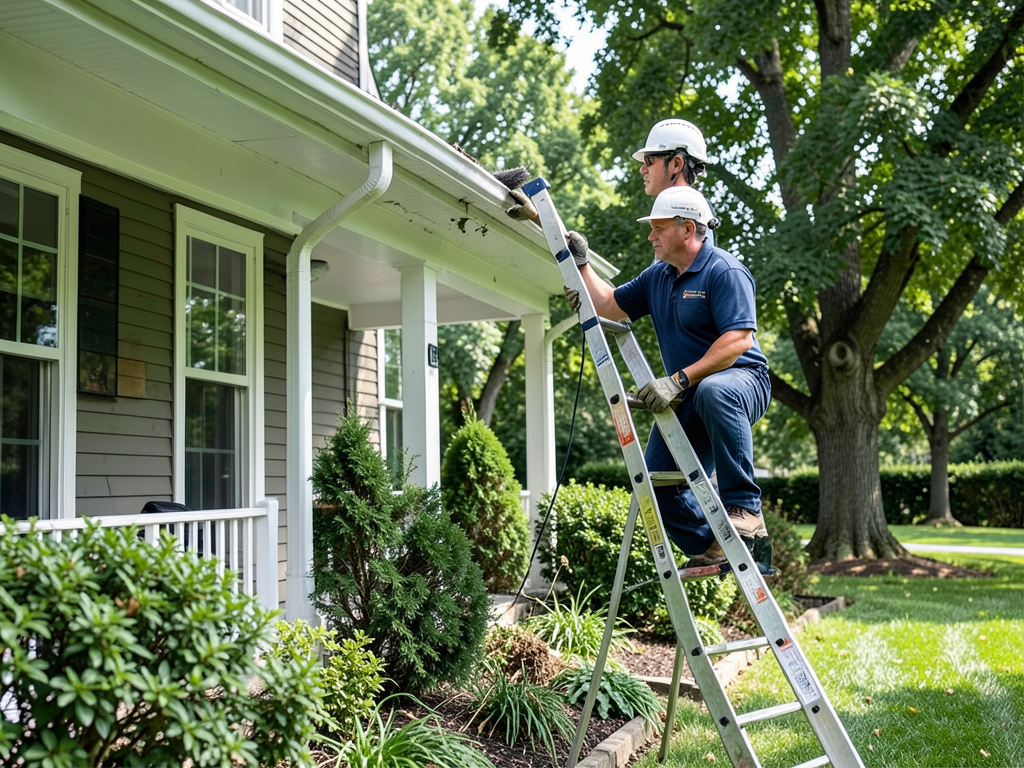
Hyde Park’s specific conditions make this problem particularly severe. The neighborhood’s combination of mature trees, heavy rainfall patterns, and clay soil creates a perfect storm for foundation damage when gutters fail. Trees drop leaves that accumulate in gutters, blocking water flow. Spring and summer thunderstorms bring intense rainfall that quickly overwhelms clogged systems. The resulting water saturation in clay soil creates the hydrostatic pressure that damages foundations.
Warning Signs Your Foundation Is Already Under Attack
Early detection of foundation problems can save you thousands in repair costs. Several warning signs indicate that water is already affecting your basement and foundation. Learning to recognize these signs helps you take action before minor issues become major structural problems.
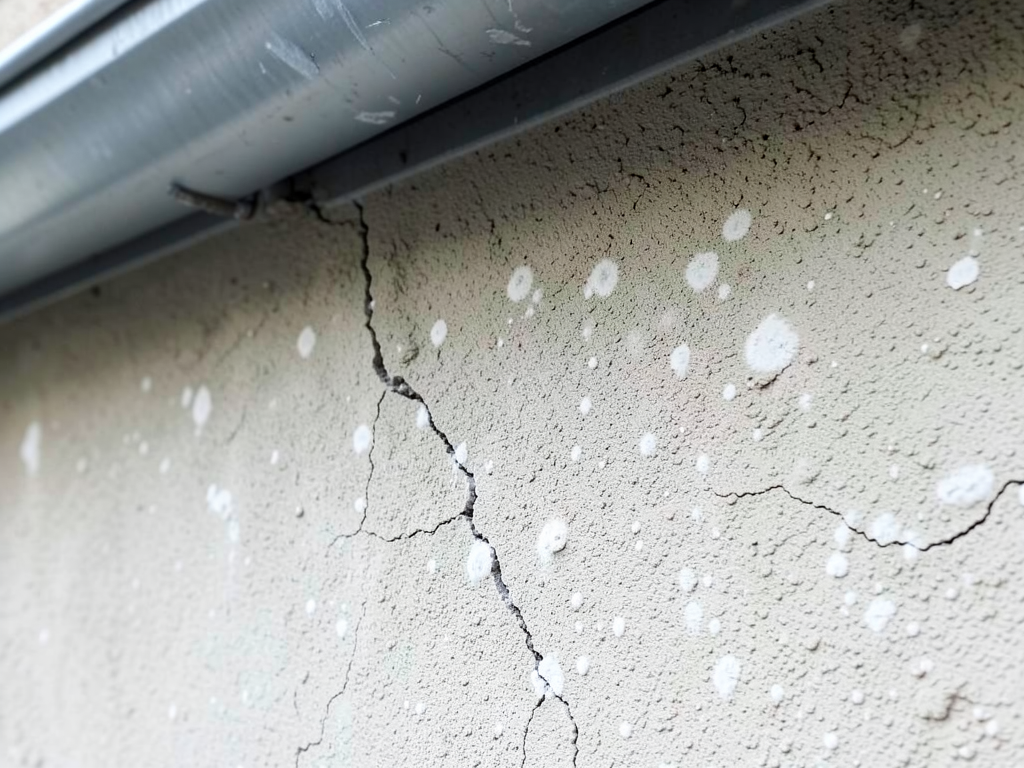
Efflorescence appears as white, powdery deposits on basement walls. This mineral residue forms when water evaporates from concrete, leaving behind dissolved salts. While efflorescence itself is not harmful, it indicates that water is penetrating your basement walls. This moisture intrusion will worsen over time without intervention.
Cracks in basement walls or floors signal that hydrostatic pressure is already affecting your foundation. Hairline cracks often start near corners or where walls meet floors. These cracks typically widen during wet seasons and may close slightly during dry periods. Horizontal cracks are particularly concerning as they often indicate significant structural stress.
Musty odors in your basement suggest mold growth, which thrives in damp environments. Mold can begin growing within 24 to 48 hours of water exposure. Beyond the health concerns, mold indicates ongoing moisture problems that will continue damaging your foundation and indoor air quality.
Doors and windows that stick or won’t close properly may indicate foundation movement. As foundation walls shift due to soil expansion and contraction, the entire structure can become slightly distorted. This distortion affects door and window frames, causing them to bind or leave gaps.
Standing water or damp spots on basement floors after rainfall confirms that water is finding its way inside. This water may enter through cracks, around pipe penetrations, or through porous concrete. Even small amounts of water indicate a failure in your home’s water management system. Reliable Sump Pump Failure Repair and Cleanup in Anderson Township.
Cincinnati’s Unique Environmental Challenges
Hyde Park and surrounding Cincinnati neighborhoods face environmental conditions that amplify the importance of proper gutter maintenance. The region’s climate, soil composition, and topography create a perfect environment for foundation damage when water management systems fail.
Cincinnati receives an average of 42 inches of rainfall annually, with most precipitation occurring during spring and summer months. Spring thunderstorms can dump several inches of rain in a single day. When gutters cannot handle this volume due to clogs, water overwhelms drainage systems and saturates soil near foundations.
The region’s soil consists primarily of clay deposited during glacial periods. This clay soil has unique properties that make foundation protection critical. When dry, clay soil shrinks and pulls away from foundation walls. When wet, it expands dramatically, sometimes by 10 to 15 percent. This constant expansion and contraction creates movement that stresses foundation structures.
Hyde Park’s hilly terrain adds another layer of complexity. Homes built on slopes face increased water runoff during storms. Water flowing down slopes can overwhelm gutter systems and pool against foundation walls. The combination of slope, clay soil, and heavy rainfall creates conditions where proper gutter function becomes essential for foundation protection.
Freeze-thaw cycles during Cincinnati winters compound foundation stress. Water trapped in soil or foundation cracks freezes and expands, widening existing damage. When this ice thaws, it allows more water to penetrate, creating a destructive cycle that continues throughout the winter months.
Professional Gutter Maintenance and Protection Strategies
Preventing foundation damage through proper gutter maintenance requires a systematic approach. Professional services can ensure your water management system functions correctly, protecting your home from costly water damage. Understanding the components of an effective gutter protection strategy helps you make informed decisions about your home’s maintenance.
Professional gutter cleaning should occur at least twice yearly, typically in late spring after seed pods and flowers fall, and again in late fall after leaves drop. Homes surrounded by mature trees may require quarterly cleaning. During cleaning, technicians inspect for damage, ensure proper slope, and verify that downspouts direct water away from the foundation.
Gutter guards provide an additional layer of protection by preventing debris from entering the gutter system. Several types exist, including mesh screens, surface tension covers, and foam inserts. Each type has advantages depending on your specific situation. Mesh screens work well for homes with heavy leaf fall, while surface tension covers excel at handling pine needles and small debris.
Downspout extensions are critical for directing water away from your foundation. Standard downspouts often deposit water too close to the home, allowing it to saturate soil near basement walls. Extensions should carry water at least five to ten feet from the foundation. Underground drainage systems can provide even better protection by channeling water to appropriate discharge points.
Grading around your home’s foundation also affects water management. Soil should slope away from the foundation at a rate of at least six inches of drop over ten feet. This grading ensures that even if gutters overflow, water flows away from rather than toward your basement walls.
Professional inspection can identify problems that homeowners might miss. Technicians check for proper gutter pitch, secure fasteners, and signs of wear or damage. They also verify that downspouts connect properly to underground drainage systems and that extensions function correctly during heavy rainfall.
The Water Damage Restoration Process When Prevention Fails
Even with proper maintenance, severe storms or system failures can lead to basement flooding. Understanding the professional water damage restoration process helps you know what to expect when disaster strikes. Quick action minimizes damage and reduces restoration costs.
Professional water damage restoration follows industry standards established by the Institute of Inspection Cleaning and Restoration Certification (IICRC). The S500 standard provides guidelines for water damage restoration, including categories of water contamination and appropriate drying procedures. Category 1 water comes from clean sources like broken supply lines. Category 2 water contains significant contamination from sources like washing machine overflows. Category 3 water is grossly contaminated, including sewage or flood water from rivers. IICRC S500 Standard.
The restoration process begins with emergency response and assessment. Technicians arrive quickly to evaluate the situation, identify water sources, and develop a restoration plan. They use moisture meters and thermal imaging cameras to detect hidden water in walls, under floors, and in other concealed areas.
Water extraction removes standing water using powerful pumps and vacuums. This step must occur quickly to prevent further damage and mold growth. Industrial-grade equipment can remove thousands of gallons per hour, dramatically reducing drying time.
Structural drying follows extraction. Technicians place air movers and dehumidifiers strategically to create optimal drying conditions. Air movers circulate air across wet surfaces, while dehumidifiers remove moisture from the air. This combination can dry most materials within three to five days when properly executed.
Content manipulation involves moving or protecting furniture and personal belongings. Items may need to be cleaned, dried, or discarded depending on the water category and exposure duration. Professionals use specialized cleaning agents and techniques to salvage as much as possible.
Final cleaning and sanitization eliminate contaminants and prevent mold growth. This step includes cleaning all affected surfaces, applying antimicrobial treatments, and verifying that moisture levels return to normal. Documentation of the entire process assists with insurance claims and provides proof of proper restoration.
Insurance Coverage and Financial Considerations
Understanding your insurance coverage helps you make informed decisions about prevention and restoration. Many homeowners discover too late that standard policies exclude certain types of water damage or require specific maintenance documentation.
Most standard homeowners insurance policies cover sudden and accidental water damage from internal sources like burst pipes. However, damage from groundwater infiltration or poor maintenance often falls under exclusions. Insurance companies may deny claims if they determine that clogged gutters or lack of maintenance contributed to the damage. Fixing Burst Pipes and Ceiling Leaks in Your Clifton Apartment Building.
Flood insurance, typically purchased separately through the National Flood Insurance Program, covers damage from external flooding events. This coverage is crucial for homes in flood-prone areas but does not cover damage from maintenance-related issues like clogged gutters.
Documentation of regular maintenance strengthens insurance claims. Keep records of gutter cleaning, inspections, and any repairs. Photos showing the condition of your gutter system before damage occurs can prove valuable during the claims process.
Professional restoration companies often assist with insurance claims by providing detailed documentation, photos, and estimates. This support can streamline the claims process and help ensure you receive appropriate compensation for covered damages.
Prevention costs significantly less than restoration. Annual gutter maintenance typically costs a few hundred dollars, while water damage restoration can cost thousands depending on the extent of damage. Investing in prevention protects both your home and your finances.
DIY Maintenance vs. Professional Services
Homeowners often debate whether to handle gutter maintenance themselves or hire professionals. Both approaches have merits, but understanding the limitations and risks of DIY work helps you make the right choice for your situation.
DIY gutter cleaning requires climbing ladders and working at heights, which poses safety risks. Falls from ladders cause thousands of injuries annually. Additionally, DIY work may miss subtle problems that professionals identify during routine inspections.
Professional services bring expertise, equipment, and insurance coverage that DIY approaches lack. Technicians can identify potential problems before they become emergencies. They also carry liability insurance that protects you if accidents occur during service.
Time considerations also favor professional services. What takes a homeowner an entire Saturday might take professionals just a few hours. This time savings becomes more valuable as home maintenance tasks accumulate.
Quality of work differs significantly between DIY and professional approaches. Professionals use commercial-grade equipment and follow industry best practices. They also provide documentation of services performed, which aids with insurance claims and property records.
Cost analysis often reveals that professional services provide better value. While DIY appears less expensive initially, the cost of equipment, time investment, and potential for missed problems can make professional services more economical long-term.
Emergency Response and Next Steps
When water damage occurs despite your best prevention efforts, knowing how to respond can minimize damage and speed recovery. Quick action in the first 24 hours often determines the extent of damage and restoration costs.
Safety comes first during water emergencies. Never enter standing water without ensuring electricity is turned off. Water conducts electricity, and damaged wiring can create deadly conditions. Also be aware of slip and fall hazards on wet surfaces.
Document damage before beginning cleanup. Take photos and videos of all affected areas. This documentation proves valuable for insurance claims and helps restoration professionals understand the scope of work needed.
Begin water removal as quickly as possible. Use wet vacuums, mops, and towels to remove standing water. The longer water remains, the more it spreads and the more damage it causes. However, avoid using household fans alone, as they may spread contaminants or create electrical hazards.
Remove wet items from affected areas. Furniture, rugs, and personal belongings can stain floors or become damaged if left in standing water. Move items to dry areas, but be careful not to spread contamination from category 2 or 3 water.
Call professional restoration services immediately. Water damage restoration requires specialized equipment and expertise that most homeowners lack. Professionals can begin work within hours of your call, dramatically reducing overall damage and restoration time.
Consider temporary relocation if damage is extensive. Water damage restoration can take several days, and living in a damaged home poses health risks from mold and contaminants. Hotels or temporary housing may be covered by insurance policies.
Frequently Asked Questions
How often should I clean my gutters in Hyde Park?
Most Hyde Park homes need gutter cleaning at least twice yearly, typically in late spring and late fall. Homes surrounded by mature trees may require quarterly cleaning to prevent clogs from leaves, seed pods, and debris.
What’s the difference between gutter cleaning and gutter guards?
Gutter cleaning removes existing debris to restore proper water flow. Gutter guards are protective covers that prevent debris from entering gutters in the first place. Guards reduce cleaning frequency but don’t eliminate the need for occasional maintenance and inspection. Retail Store Water Cleanup.
How far should downspouts extend from my foundation?
Downspouts should direct water at least five to ten feet away from your foundation. This distance ensures water doesn’t saturate soil near basement walls, where it can cause hydrostatic pressure and foundation damage.
Can I install gutter guards myself?
While DIY installation is possible, professional installation ensures proper fit and function. Professionals also inspect your entire gutter system during installation, identifying problems that DIY installers might miss.
How quickly does mold grow after water damage?
Mold can begin growing within 24 to 48 hours of water exposure. This rapid growth makes immediate water removal and drying critical for preventing mold problems that can affect both your home and your health.
Does homeowners insurance cover foundation damage from clogged gutters?
Coverage varies by policy and circumstances. Many policies exclude damage from lack of maintenance. However, sudden damage from covered events may be covered. Document regular maintenance and consult your insurance provider about specific coverage details.
Protecting Your Hyde Park Home Investment
Your home represents one of your largest investments, and protecting it from water damage should be a top priority. The connection between clean gutters and foundation health is clear and direct. By maintaining your gutter system properly, you prevent the hydrostatic pressure that causes foundation cracks, basement flooding, and expensive structural damage.
Hyde Park’s specific conditions make this maintenance even more critical. The neighborhood’s mature trees, clay soil, and seasonal rainfall patterns create conditions where gutter failure can quickly lead to foundation problems. Regular cleaning, proper downspout extensions, and professional inspections provide the protection your home needs.
Remember that prevention costs far less than restoration. Annual gutter maintenance typically costs a few hundred dollars, while foundation repairs or water damage restoration can cost thousands. This simple maintenance task protects your home’s value and your family’s health by preventing mold growth and structural damage.
If you’ve noticed signs of water damage or want to ensure your gutter system protects your foundation properly, professional help is available. Don’t wait for the next heavy storm to discover problems that could have been prevented. Take action now to protect your Hyde Park home from costly water damage.
Call (513) 717-2522 today to schedule your gutter inspection and protect your foundation from cracking. Our experienced technicians understand Hyde Park’s unique challenges and provide the professional service your home deserves. Don’t let clogged gutters put your foundation at risk.
Pick up the phone and call (513) 717-2522 before the next storm hits. Your foundation can’t wait until damage appears. Professional gutter maintenance now prevents expensive repairs later. Serving Hyde Park and all of Cincinnati with emergency water damage restoration when you need it most.
{
“@context”: “https://schema.org”,
“@type”: “BlogPosting”,
“headline”: “How Keeping Your Gutters Clear Saves Your Hyde Park Foundation from Cracking”,
“description”: “Protect your Hyde Park home from costly foundation damage. Learn how Cincinnati’s heavy clay soil and seasonal storms make gutter maintenance critical for basement safety.”,
“wordCount”: 2924,
“datePublished”: “2026-06-05T09:33:00.000Z”,
“dateModified”: “2026-06-05T09:33:00.000Z”,
“inLanguage”: “en-US”,
“mainEntityOfPage”: {
“@type”: “WebPage”,
“@id”: “https://acewaterdamagerestorationcincinnati.com”
},
“publisher”: {
“@type”: “LocalBusiness”,
“name”: “Ace Water Damage Restoration Cincinnati”,
“url”: “https://acewaterdamagerestorationcincinnati.com”
},
“author”: {
“@type”: “Organization”,
“name”: “Ace Water Damage Restoration Cincinnati”,
“url”: “https://acewaterdamagerestorationcincinnati.com”
},
“image”: {
“@type”: “ImageObject”,
“url”: “https://acewaterdamagerestorationcincinnati.com/wp-content/uploads/2026/03/how-keeping-your-gutters-clear-saves-your-hyde-par-1.png”
}
}
{
“@context”: “https://schema.org”,
“@type”: “LocalBusiness”,
“name”: “Ace Water Damage Restoration Cincinnati”,
“url”: “https://acewaterdamagerestorationcincinnati.com”,
“address”: {
“@type”: “PostalAddress”,
“addressLocality”: “Cincinnati”
},
“areaServed”: {
“@type”: “City”,
“name”: “Cincinnati”
}
}
{
“@context”: “https://schema.org”,
“@type”: “FAQPage”,
“mainEntity”: [
{
“@type”: “Question”,
“name”: “How often should I clean my gutters in Hyde Park?”,
“acceptedAnswer”: {
“@type”: “Answer”,
“text”: “Most Hyde Park homes need gutter cleaning at least twice yearly, typically in late spring and late fall. Homes surrounded by mature trees may require quarterly cleaning to prevent clogs from leaves, seed pods, and debris.”
}
},
{
“@type”: “Question”,
“name”: “What’s the difference between gutter cleaning and gutter guards?”,
“acceptedAnswer”: {
“@type”: “Answer”,
“text”: “Gutter cleaning removes existing debris to restore proper water flow. Gutter guards are protective covers that prevent debris from entering gutters in the first place. Guards reduce cleaning frequency but don’t eliminate the need for occasional maintenance and inspection. Retail Store Water Cleanup.”
}
},
{
“@type”: “Question”,
“name”: “How far should downspouts extend from my foundation?”,
“acceptedAnswer”: {
“@type”: “Answer”,
“text”: “Downspouts should direct water at least five to ten feet away from your foundation. This distance ensures water doesn’t saturate soil near basement walls, where it can cause hydrostatic pressure and foundation damage.”
}
},
{
“@type”: “Question”,
“name”: “Can I install gutter guards myself?”,
“acceptedAnswer”: {
“@type”: “Answer”,
“text”: “While DIY installation is possible, professional installation ensures proper fit and function. Professionals also inspect your entire gutter system during installation, identifying problems that DIY installers might miss.”
}
},
{
“@type”: “Question”,
“name”: “How quickly does mold grow after water damage?”,
“acceptedAnswer”: {
“@type”: “Answer”,
“text”: “Mold can begin growing within 24 to 48 hours of water exposure. This rapid growth makes immediate water removal and drying critical for preventing mold problems that can affect both your home and your health.”
}
},
{
“@type”: “Question”,
“name”: “Does homeowners insurance cover foundation damage from clogged gutters?”,
“acceptedAnswer”: {
“@type”: “Answer”,
“text”: “Coverage varies by policy and circumstances. Many policies exclude damage from lack of maintenance. However, sudden damage from covered events may be covered. Document regular maintenance and consult your insurance provider about specific coverage details.”
}
}
]
}
{
“@context”: “https://schema.org”,
“@type”: “BreadcrumbList”,
“itemListElement”: [
{
“@type”: “ListItem”,
“position”: 1,
“name”: “Home”,
“item”: “https://acewaterdamagerestorationcincinnati.com”
},
{
“@type”: “ListItem”,
“position”: 2,
“name”: “Blog”,
“item”: “https://acewaterdamagerestorationcincinnati.com/blog”
},
{
“@type”: “ListItem”,
“position”: 3,
“name”: “How Keeping Your Gutters Clear Saves Your Hyde Park Foundation from Cracking”
}
]
}
{
“@context”: “https://schema.org”,
“@type”: “Service”,
“serviceType”: “Water Damage Restoration”,
“provider”: {
“@type”: “LocalBusiness”,
“name”: “Ace Water Damage Restoration Cincinnati”,
“url”: “https://acewaterdamagerestorationcincinnati.com”
},
“areaServed”: {
“@type”: “City”,
“name”: “Cincinnati”
},
“description”: “Protect your Hyde Park home from costly foundation damage. Learn how Cincinnati’s heavy clay soil and seasonal storms make gutter maintenance critical for basement safety.”
}