How Indoor Water Damage Can Mimic Cincinnati Seasonal Allergy Symptoms
Living in Cincinnati means dealing with both seasonal pollen and year-round indoor allergens. Many residents find themselves sneezing, coughing, and experiencing itchy eyes without realizing that hidden water damage in their homes could be the actual culprit. The Ohio River Valley’s high humidity creates perfect conditions for mold growth when water intrusion occurs, making it difficult to distinguish between seasonal allergies and indoor mold exposure. Water Damage Restoration Blue Ash.
The symptoms overlap significantly. Both seasonal allergies and mold exposure can cause sneezing, runny nose, itchy eyes, coughing, and even skin rashes. However, the timing and triggers differ. Seasonal allergies typically follow predictable patterns tied to pollen counts, while mold-related symptoms persist regardless of the season and often worsen when you’re at home. Understanding these differences helps you take the right action before minor water damage turns into a major health concern.
Key Differences Between Seasonal Allergies and Mold Exposure
Recognizing the source of your symptoms requires understanding how they manifest differently. Seasonal allergies in Cincinnati typically peak during spring and fall when pollen counts from trees, grasses, and ragweed are highest. Mold-related symptoms, however, can occur year-round and often intensify in specific areas of your home where moisture problems exist.
Timing provides crucial clues. If your symptoms improve dramatically when you leave your house for extended periods but return upon returning home, this suggests an indoor allergen source rather than seasonal outdoor triggers. Mold exposure symptoms also tend to be more persistent and may include additional effects like fatigue, headaches, and difficulty concentrating that seasonal allergies rarely cause.
Common Symptoms Comparison
| Symptom | Seasonal Allergies | Mold Exposure | Both |
|---|---|---|---|
| Sneezing | Yes | Yes | Yes |
| Itchy Eyes | Yes | Yes | Yes |
| Runny Nose | Yes | Yes | Yes |
| Coughing | Sometimes | Yes | Sometimes |
| Skin Rashes | Rarely | Yes | Rarely |
| Fatigue | Sometimes | Yes | Sometimes |
| Headaches | Rarely | Yes | Rarely |
Duration and consistency also differ significantly. Seasonal allergies typically last as long as the allergen is present outdoors, often weeks or months during peak seasons. Mold symptoms persist as long as the mold colony exists, regardless of outdoor conditions. This means you might experience allergy-like symptoms in January during a cold snap when seasonal allergies would normally be dormant.
The Cincinnati Factor: Why Our Area Is Prone to Both Issues
Cincinnati’s location in the Ohio River Valley creates unique environmental challenges that contribute to both seasonal allergies and indoor mold problems. The valley traps air pollutants and allergens, while the river’s proximity increases local humidity levels. Hamilton County consistently ranks among the worst areas in the nation for allergy sufferers due to these geographic factors.
Our area’s high humidity levels, often exceeding 70% during summer months, create ideal conditions for mold growth when water damage occurs. Older homes in neighborhoods like Hyde Park and Mount Adams are particularly vulnerable due to aging plumbing systems and basements that weren’t designed for modern moisture control. The clay soil common throughout Cincinnati also contributes to foundation issues that allow water intrusion. What to Do When Your Indian Hill Basement Floods Unexpectedly.
Visual Indicators of Water Damage vs. Seasonal Triggers
Outdoor seasonal allergy triggers are invisible to the naked eye, but water damage and mold growth leave visible signs. Look for water stains on ceilings or walls, particularly in basements or near plumbing fixtures. Bubbling paint, peeling wallpaper, and warped baseboards indicate moisture problems that could be fostering mold growth.
Musty odors are strong indicators of hidden moisture issues. If you notice a persistent damp smell in certain areas of your home, especially in basements or bathrooms, this suggests active mold growth. Seasonal allergies don’t produce odors, so a musty smell combined with allergy symptoms points toward indoor mold rather than outdoor pollen.
Common Indoor Mold Sources in Cincinnati Homes
Hidden water damage creates perfect conditions for mold growth in unexpected places. Leaking pipes behind walls, roof leaks that penetrate attic spaces, and foundation cracks allowing basement seepage are common culprits. Cincinnati’s freeze-thaw cycles can worsen these problems by expanding existing cracks and stressing building materials. EPA Mold Resources.
Basements are particularly vulnerable in our area. The combination of high water tables, clay soil expansion, and aging foundation materials creates conditions where water intrusion becomes almost inevitable without proper waterproofing. Finished basements in older Cincinnati homes are especially problematic because water damage can remain hidden behind drywall and carpeting for months.
Diagnostic Steps: When to Suspect Mold Over Allergies
Start by tracking your symptoms. If you experience consistent allergy-like symptoms regardless of outdoor pollen counts, or if symptoms worsen in specific rooms of your home, this suggests an indoor source. Pay attention to whether symptoms improve when you’re away from home for several days, such as during a vacation or business trip.
Check your home for the visual indicators mentioned earlier. Use a flashlight to inspect dark corners, behind furniture, and in closets for signs of moisture or discoloration. Pay special attention to areas near plumbing fixtures, under sinks, and around windows where condensation might occur. The presence of visible mold growth confirms the need for professional remediation.
Professional Assessment Options
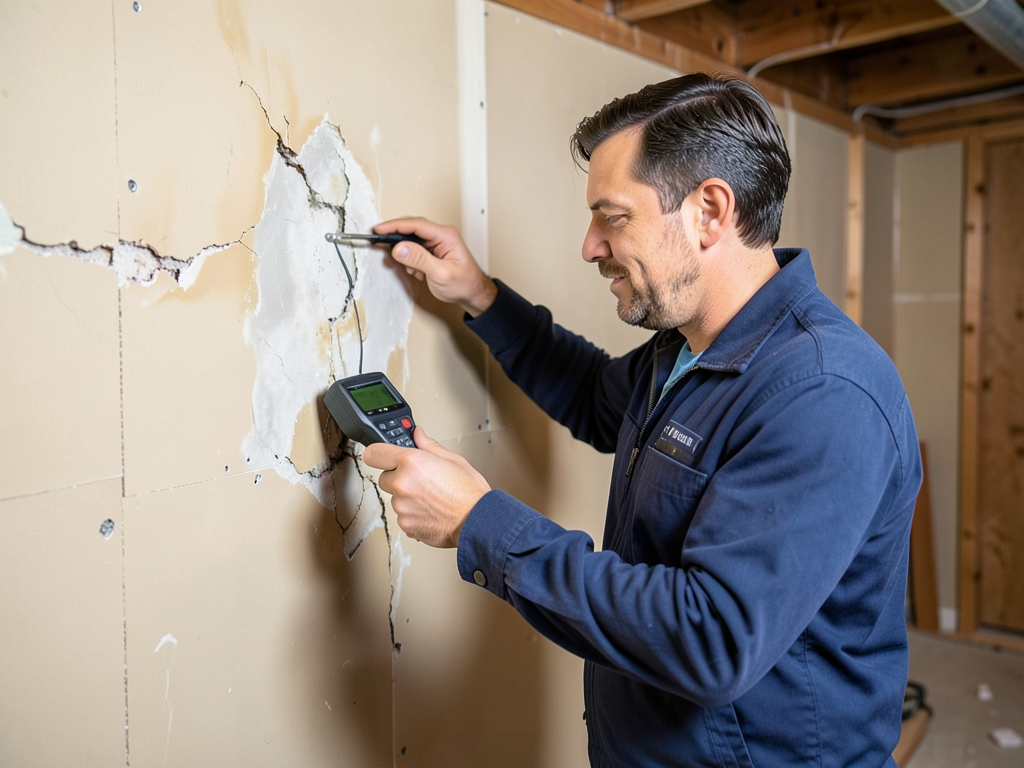
If you suspect mold rather than seasonal allergies, several professional assessment options exist. Indoor air quality testing can identify mold spore counts and types present in your home. Moisture meters can detect hidden water in walls and floors, while thermal imaging cameras can reveal temperature differences that indicate moisture problems behind surfaces.
Professional mold remediation specialists follow IICRC S520 standards for assessment and remediation. This industry standard ensures proper containment, removal, and prevention of cross-contamination during the remediation process. Testing should be conducted by certified professionals who can interpret results and recommend appropriate remediation strategies based on the specific mold types and concentrations found.
Health Implications of Prolonged Exposure
Extended exposure to indoor mold can cause more severe health effects than seasonal allergies. While seasonal allergies are typically annoying but not dangerous for most people, mold exposure can trigger asthma attacks, cause respiratory infections, and lead to chronic sinus problems. Some individuals, particularly those with compromised immune systems, may experience more severe reactions.
Children and elderly family members are especially vulnerable to mold-related health effects. The mycotoxins produced by certain mold species can affect cognitive function and cause neurological symptoms in sensitive individuals. This makes prompt identification and remediation of water damage particularly important for protecting vulnerable household members.
Prevention Strategies for Cincinnati Homes
Preventing water damage and subsequent mold growth requires proactive maintenance. Regularly inspect your roof for damaged shingles, clean gutters to ensure proper drainage, and check plumbing fixtures for leaks. In Cincinnati’s climate, maintaining indoor humidity below 60% using dehumidifiers can significantly reduce mold growth potential.
Foundation maintenance is crucial for our area’s older homes. Ensure proper grading around your home’s perimeter to direct water away from the foundation. Consider installing or maintaining sump pumps, especially in finished basements. The Ohio Building Code requires specific waterproofing measures for new construction, but many older homes lack these protections.
When to Call a Professional
Call a professional if you discover visible mold growth covering more than 10 square feet, if you smell persistent musty odors without visible sources, or if family members experience unexplained respiratory symptoms that improve when away from home. Also contact professionals if you’ve experienced recent water damage from flooding, plumbing leaks, or roof failures. Reliable Sump Pump Failure Repair and Cleanup in Anderson Township.
Professional remediation becomes essential when mold growth affects HVAC systems, as spores can spread throughout your home via air ducts. The EPA recommends professional assessment for any mold problem that might affect indoor air quality or when occupants experience health symptoms they suspect are mold-related.
Frequently Asked Questions
How can I tell if my symptoms are from mold or seasonal allergies?
Track when and where your symptoms occur. Seasonal allergies typically follow pollen patterns and improve when you leave the affected area. Mold symptoms persist year-round and often worsen in specific rooms of your home. If symptoms improve when you’re away for several days, this suggests an indoor source like mold.
Is all mold dangerous to my health?
Not all mold is equally dangerous, but any mold growth in your home indicates moisture problems that need addressing. Some people are more sensitive to mold than others. The CDC recommends removing any visible mold growth regardless of type, as the presence of mold indicates conditions suitable for other potentially harmful species. CDC Mold Information.
How quickly can mold grow after water damage occurs?
Mold can begin growing within 24-48 hours after water exposure under favorable conditions. This rapid growth is why immediate water damage response is crucial. Professional water damage restoration services can prevent mold growth by thoroughly drying affected areas within this critical window.
Take Action Today
Don’t let hidden water damage continue affecting your family’s health. If you’re experiencing persistent allergy-like symptoms that don’t follow seasonal patterns, it’s time to investigate your home for potential mold sources. The longer water damage goes unaddressed, the more extensive and expensive remediation becomes.
Call (513) 717-2522 today to schedule your professional inspection. Our certified technicians use advanced moisture detection equipment and follow IICRC standards to identify and address water damage before it becomes a serious mold problem. Don’t wait until symptoms worsen or structural damage occurs.
Pick up the phone and call (513) 717-2522 before the next storm hits. Cincinnati’s weather patterns make water damage a constant threat, but early detection and professional remediation can protect both your home’s value and your family’s health. We serve all Cincinnati neighborhoods with 24/7 emergency response for water damage situations.
Remember that distinguishing between seasonal allergies and mold exposure isn’t just about comfort—it’s about protecting your long-term health. Our team provides comprehensive inspections that identify both visible and hidden moisture problems, giving you peace of mind and a clear path forward for remediation if needed.
{
“@context”: “https://schema.org”,
“@type”: “BlogPosting”,
“headline”: “How Indoor Water Damage Can Mimic Cincinnati Seasonal Allergy Symptoms”,
“description”: “Confused by persistent sneezing and itchy eyes in Cincinnati? Learn how hidden mold from water damage can mimic seasonal allergies and when to call for professional inspection.”,
“wordCount”: 1640,
“datePublished”: “2026-06-02T12:12:00.000Z”,
“dateModified”: “2026-06-02T12:12:00.000Z”,
“inLanguage”: “en-US”,
“mainEntityOfPage”: {
“@type”: “WebPage”,
“@id”: “https://acewaterdamagerestorationcincinnati.com”
},
“publisher”: {
“@type”: “LocalBusiness”,
“name”: “Ace Water Damage Restoration Cincinnati”,
“url”: “https://acewaterdamagerestorationcincinnati.com”
},
“author”: {
“@type”: “Organization”,
“name”: “Ace Water Damage Restoration Cincinnati”,
“url”: “https://acewaterdamagerestorationcincinnati.com”
},
“image”: {
“@type”: “ImageObject”,
“url”: “https://acewaterdamagerestorationcincinnati.com/wp-content/uploads/2026/03/how-indoor-water-damage-can-mimic-cincinnati-seaso-1.png”
}
}
{
“@context”: “https://schema.org”,
“@type”: “LocalBusiness”,
“name”: “Ace Water Damage Restoration Cincinnati”,
“url”: “https://acewaterdamagerestorationcincinnati.com”,
“address”: {
“@type”: “PostalAddress”,
“addressLocality”: “Cincinnati”
},
“areaServed”: {
“@type”: “City”,
“name”: “Cincinnati”
}
}
{
“@context”: “https://schema.org”,
“@type”: “FAQPage”,
“mainEntity”: [
{
“@type”: “Question”,
“name”: “How can I tell if my symptoms are from mold or seasonal allergies?”,
“acceptedAnswer”: {
“@type”: “Answer”,
“text”: “Track when and where your symptoms occur. Seasonal allergies typically follow pollen patterns and improve when you leave the affected area. Mold symptoms persist year-round and often worsen in specific rooms of your home. If symptoms improve when you’re away for several days, this suggests an indoor source like mold.”
}
},
{
“@type”: “Question”,
“name”: “Is all mold dangerous to my health?”,
“acceptedAnswer”: {
“@type”: “Answer”,
“text”: “Not all mold is equally dangerous, but any mold growth in your home indicates moisture problems that need addressing. Some people are more sensitive to mold than others. The CDC recommends removing any visible mold growth regardless of type, as the presence of mold indicates conditions suitable for other potentially harmful species. CDC Mold Information.”
}
},
{
“@type”: “Question”,
“name”: “How quickly can mold grow after water damage occurs?”,
“acceptedAnswer”: {
“@type”: “Answer”,
“text”: “Mold can begin growing within 24-48 hours after water exposure under favorable conditions. This rapid growth is why immediate water damage response is crucial. Professional water damage restoration services can prevent mold growth by thoroughly drying affected areas within this critical window.”
}
}
]
}
{
“@context”: “https://schema.org”,
“@type”: “BreadcrumbList”,
“itemListElement”: [
{
“@type”: “ListItem”,
“position”: 1,
“name”: “Home”,
“item”: “https://acewaterdamagerestorationcincinnati.com”
},
{
“@type”: “ListItem”,
“position”: 2,
“name”: “Blog”,
“item”: “https://acewaterdamagerestorationcincinnati.com/blog”
},
{
“@type”: “ListItem”,
“position”: 3,
“name”: “How Indoor Water Damage Can Mimic Cincinnati Seasonal Allergy Symptoms”
}
]
}
{
“@context”: “https://schema.org”,
“@type”: “Service”,
“serviceType”: “Water Damage Restoration”,
“provider”: {
“@type”: “LocalBusiness”,
“name”: “Ace Water Damage Restoration Cincinnati”,
“url”: “https://acewaterdamagerestorationcincinnati.com”
},
“areaServed”: {
“@type”: “City”,
“name”: “Cincinnati”
},
“description”: “Confused by persistent sneezing and itchy eyes in Cincinnati? Learn how hidden mold from water damage can mimic seasonal allergies and when to call for professional inspection.”
}