Electrical safety hazards to check for after a basement flood in Cleves
Standing water in your basement creates an immediate electrocution risk that demands quick action. Water conducts electricity and even a small amount can energize your entire basement floor. Before you step into any flooded area you need to know the specific electrical dangers unique to Cincinnati homes and how to protect yourself and your family. What to Do When Your Indian Hill Basement Floods Unexpectedly.
The first 30 minutes after discovering a basement flood are critical. Your electrical panel might be in the basement sump pumps could be submerged and appliances may be sitting in water. This guide walks you through the exact steps to identify and neutralize electrical hazards specific to the Cleves area where heavy spring rains and aging infrastructure create unique risks. Water Damage Restoration Blue Ash.
Immediate Danger: The ‘Do Not Enter’ Rule
Never enter standing water if your main breaker is still on. Water can conduct electricity from submerged outlets appliances or damaged wiring. Even a thin layer of water across a concrete floor can carry enough current to cause serious injury or death.
Step potential is the hidden danger. When electricity flows through water it creates voltage gradients across the floor surface. Walking through this energized water can cause current to flow through your body from one leg to the other creating a dangerous path to ground.
In older Cleves homes built before 1970 knob and tube wiring was common. This wiring has no ground conductor and deteriorates when exposed to moisture. If your home has this outdated system and it’s submerged the risk increases significantly.
Step-by-Step Electrical Shutdown Process
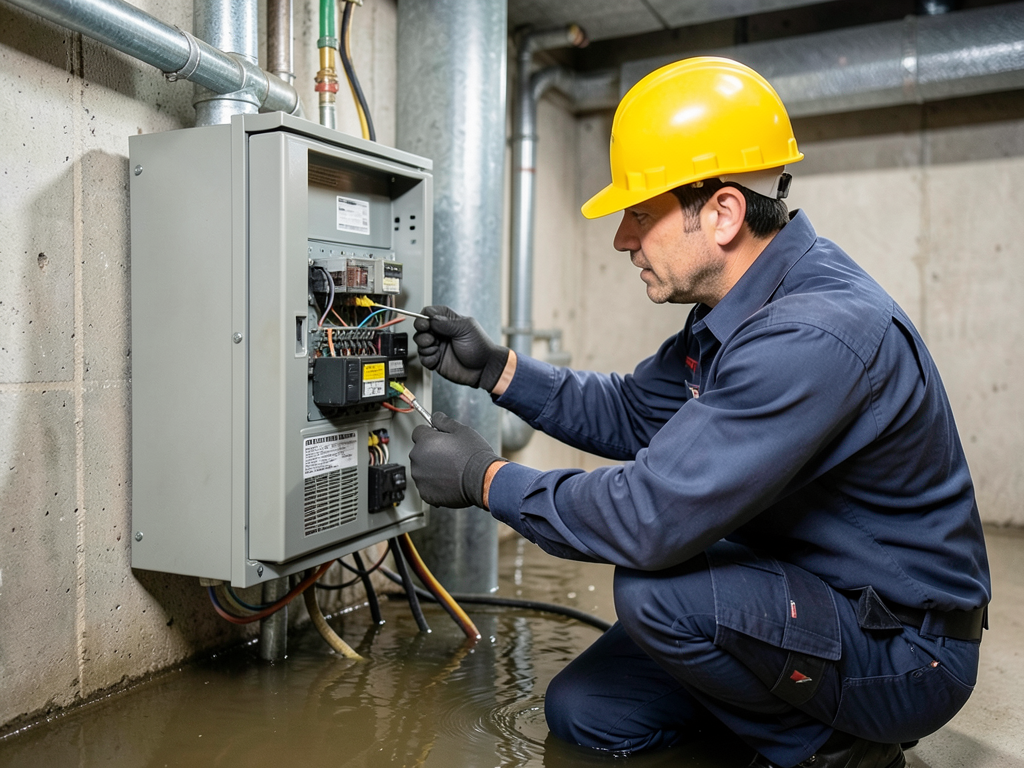
Locate your main electrical panel immediately. In most Cleves homes this is in the basement near the utility entrance. If water is already rising toward the panel do not attempt to reach it.
Call Duke Energy at (800) 634-3524 for a remote disconnect. Their emergency response team can shut off power to your home from the street eliminating the risk of electrocution while you wait for help.
If you can safely access the panel and water hasn’t reached it turn off the main breaker first then all individual circuit breakers. This prevents power surges when electricity is restored and protects your appliances from damage. Retail Store Water Cleanup.
Never use any electrical device while standing in water. This includes flashlights phones or testing equipment. Even battery-powered devices can create dangerous situations if dropped in water.
Identifying Electrical Hazards in Standing Water
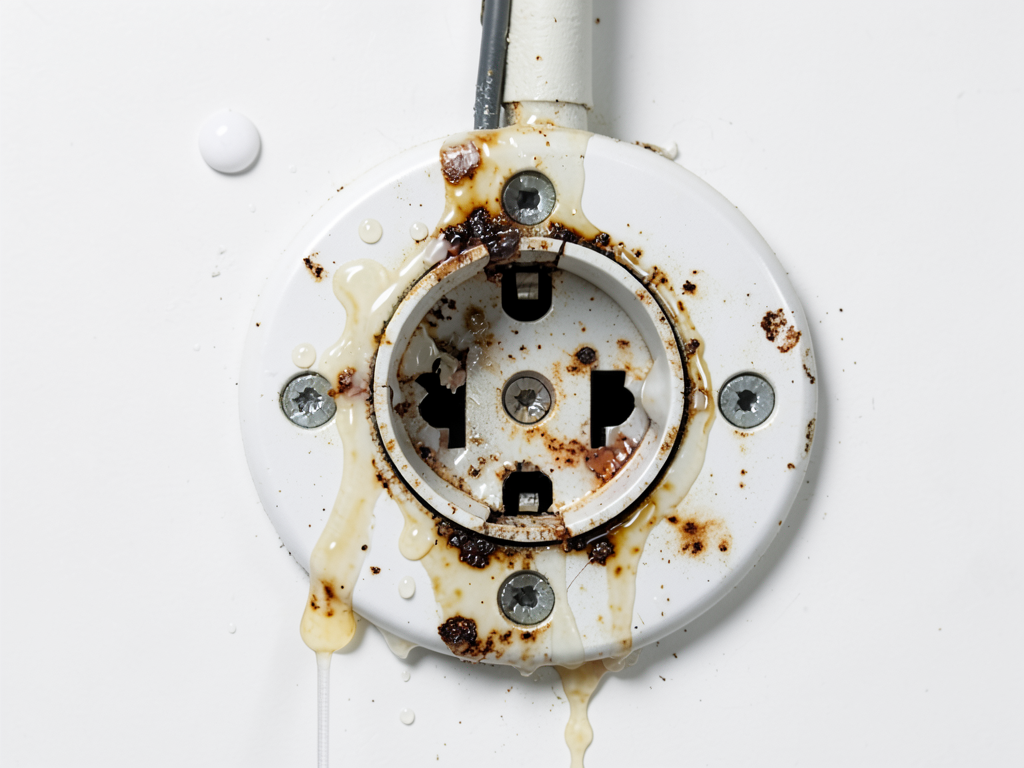
Submerged outlets pose the most obvious danger. Water can short-circuit the outlet creating a path for electricity to flow through the surrounding water. Any outlet below the water line should be treated as energized until proven otherwise.
Extension cords running through flooded areas create multiple hazards. The cord insulation can fail when wet exposing live wires. Additionally if the cord connects to a powered device on dry ground it creates a complete circuit through the water.
Sump pump failure during a flood is common in Cleves due to the area’s high water table and clay soil conditions. When the primary pump fails and water rises the backup pump’s electrical connection may also be compromised leaving your basement vulnerable. Fast Sewage Backup Cleanup Services for Over-the-Rhine Businesses.
Appliances like washers dryers and water heaters in basements can become energized when submerged. The metal frames of these appliances can carry current making them dangerous to touch even after the water recedes.
Cincinnati Emergency Resources
Duke Energy maintains 24/7 emergency response for electrical hazards. Their outage map at duke-energy.com/outage-center/outage-map shows current power status and allows you to report hazards.
Hamilton County Building Inspection can verify electrical safety after flooding. Call (513) 946-4550 during business hours or contact the Hamilton County Emergency Management Agency at (513) 263-8200 for after-hours emergencies.
The Cincinnati Fire Department’s non-emergency line at (513) 352-2311 can dispatch electrical safety inspectors to assess hazards in your home. They work directly with Duke Energy to ensure safe power restoration.
Ohio EPA guidelines require that all electrical systems exposed to flooding be inspected before restoration. This protects homeowners from hidden damage that could cause fires or shocks months after the initial incident.
Professional Restoration vs. DIY
Hidden moisture in electrical conduits creates long-term hazards that DIY cleanup cannot address. Water trapped in wall cavities or ceiling spaces can corrode wiring over weeks leading to short circuits or fires.
IICRC S500 standards require that all electrical systems in water-damaged areas be inspected by qualified professionals. This standard followed by certified restoration companies ensures that electrical hazards are properly identified and mitigated.
Insurance claims for electrical damage after flooding require documentation from certified professionals. Without proper inspection reports insurance companies may deny coverage for damage discovered weeks or months later.
Professional restoration teams use moisture meters to detect hidden water in electrical boxes and conduits. These tools can identify problems that visual inspection cannot preventing future hazards.
The cost of professional electrical inspection after flooding is minimal compared to the potential damage from electrical fires or the medical costs from electrical shock injuries.
Submerged Appliance Safety
Furnaces and water heaters in basements present unique challenges. These appliances contain electrical components that can fail when submerged creating gas leak risks in addition to electrical hazards.
HVAC systems with submerged electrical components may continue to operate after flooding creating carbon monoxide risks if the combustion system is compromised. Always have these systems inspected by qualified technicians.
Water heaters with submerged electrical connections can develop slow leaks that allow water to reach live electrical components weeks after the initial flood. This creates a delayed hazard that many homeowners don’t anticipate.
Modern appliances with electronic controls are particularly vulnerable to flood damage. The control boards can short circuit when wet then fail completely weeks later leaving you without hot water or heat when you need it most.
The Role of a Water Damage Restoration Professional
Certified restoration professionals coordinate with electricians to ensure all electrical hazards are addressed before drying begins. This prevents accidents during the restoration process and ensures your home is safe for reoccupation.
Restoration teams document all electrical hazards for insurance purposes providing the detailed reports needed for claim approval. This documentation includes photos moisture readings and professional assessments of damage extent.
Professional drying equipment requires electrical power creating a catch-22 situation after flooding. Restoration companies have the expertise to safely restore limited power for drying equipment while keeping your family safe.
The restoration process includes testing all electrical outlets and systems after drying is complete. This ensures that hidden damage from the flood doesn’t create problems months later when you’ve forgotten about the initial incident.
Preventing Future Electrical Hazards
Install GFCI outlets in all basement areas. These outlets trip when they detect current leakage preventing shocks from ground faults. Hamilton County code requires GFCI protection for all basement receptacles.
Elevate critical electrical components above potential flood levels. Main panels outlets and switches should be installed at least 12 inches above the highest recorded flood level in your area.
Consider installing a whole-house surge protector. Flooding often causes power surges when electricity is restored damaging sensitive electronics throughout your home.
Regular maintenance of your sump pump system prevents many flood-related electrical hazards. Test your pump monthly and consider a battery backup system for power outages during storms.
Local Building Code Requirements
Hamilton County follows the Ohio Building Code which requires all basement electrical installations to meet specific elevation requirements. Outlets must be installed at least 12 inches above the floor in flood-prone areas.
The code also mandates GFCI protection for all basement receptacles regardless of their intended use. This requirement helps prevent shocks from ground faults common in damp basement environments.
Commercial properties in Cleves must comply with additional requirements for emergency lighting and exit signage. These systems must remain operational during power outages to ensure safe evacuation.
Electrical inspections are required after any flooding that affects electrical systems. The inspector must verify that all components meet current code requirements before power can be restored.
Insurance Considerations
Standard homeowner’s insurance policies cover sudden water damage but may exclude flooding from external sources. Review your policy to understand what electrical damage is covered and what documentation is required.
Insurance companies require detailed documentation of electrical damage for claims processing. This includes photos professional inspection reports and itemized repair estimates from licensed electricians.
Some policies require that you mitigate damage to prevent further loss. This means taking immediate steps to address electrical hazards even if you plan to file a claim later.
Keep all receipts for emergency services including electrical inspections and temporary repairs. These expenses are often reimbursable under your insurance policy’s loss-of-use provisions.
Common Mistakes to Avoid
Never assume that electricity is off just because the main breaker is turned off. Faulty breakers or damaged wiring can still carry current even when the main switch is in the off position.
Don’t use regular household extension cords for emergency power. These cords are not designed for wet conditions and can create serious shock hazards when used in flooded areas.
Avoid the temptation to test electrical systems yourself after flooding. Even if everything looks dry hidden moisture can create dangerous conditions that only professional testing can detect.
Never bypass safety devices like GFCI outlets or circuit breakers. These devices are designed to protect you from exactly the kind of hazards created by flooding.
Recovery Timeline
The electrical safety assessment should occur within 24 hours of flood discovery. This allows for proper documentation and ensures that no hidden hazards develop while water remains in your basement.
Most electrical systems can be safely restored within 48-72 hours if proper drying procedures are followed. However some components may need replacement if they were submerged for extended periods.
Final electrical inspection and approval typically takes 3-5 business days after drying is complete. This allows time for all moisture to dissipate and for any necessary repairs to be completed.
Full restoration of all electrical systems usually requires 1-2 weeks depending on the extent of damage and the availability of replacement parts.
Special Considerations for Older Homes
Homes built before 1960 in Cleves may contain aluminum wiring which is particularly vulnerable to flood damage. Aluminum corrodes when exposed to moisture creating fire hazards that may not be immediately apparent.
Knob and tube wiring common in homes built before 1950 has no ground conductor and deteriorates significantly when exposed to moisture. This wiring should be replaced rather than repaired after flooding.
Older electrical panels may not have the capacity to handle modern electrical loads safely. Flooding often reveals these capacity issues requiring panel upgrades as part of the restoration process.
Historic preservation requirements may affect how electrical systems are restored in older Cleves homes. Work with contractors who understand both electrical safety and historic preservation requirements.
Commercial Property Considerations
Commercial properties face additional electrical safety requirements after flooding. Emergency lighting exit signage and fire alarm systems must remain operational even during power outages.
Business interruption insurance may cover electrical restoration costs but documentation requirements are typically more stringent than for residential properties.
Commercial electrical systems often have higher capacity requirements than residential systems. Flooding damage may reveal capacity issues that require system upgrades as part of the restoration process.
Professional liability considerations require that commercial property owners document all electrical safety measures taken after flooding. This protects against potential lawsuits from employees or customers.
Environmental Factors
The Ohio River’s proximity to Cleves creates unique flooding patterns that affect electrical safety. River flooding often involves contaminated water that can corrode electrical components more quickly than clean water.
Clay soil conditions in the Cleves area contribute to poor drainage increasing the likelihood of basement flooding during heavy rains. This creates more frequent electrical safety challenges for local homeowners.
Seasonal weather patterns in Cincinnati create distinct electrical safety concerns. Spring thunderstorms and winter freeze-thaw cycles both contribute to flooding risks that affect electrical systems.
Climate change is increasing the frequency and severity of flooding events in the Cincinnati area. This trend makes electrical safety preparedness more important than ever for Cleves residents.
Final Safety Checklist
Before entering any flooded basement verify that power is off at the main breaker or through Duke Energy’s remote disconnect service. Never assume electricity is off without verification.
Test all GFCI outlets after flooding to ensure they function properly. These devices are your first line of defense against electrical shock in damp environments.
Have all electrical systems inspected by a licensed electrician before restoring power after any flooding event. This inspection should include both visible components and hidden wiring in walls and ceilings. Restoring Your Hardwood Floors After Water Damage in Madeira.
Document all electrical damage with photos before beginning cleanup or repairs. This documentation is essential for insurance claims and future reference.
Consider installing whole-house surge protection to prevent damage from power surges that often accompany flooding events and subsequent power restoration.
Frequently Asked Questions
How long should I wait before entering a flooded basement?
Wait until power is completely disconnected from the street by Duke Energy or verified off at the main breaker. Even if water appears shallow electrical hazards may still exist. Never enter standing water to access the breaker panel.
Can I use my regular plumber for electrical issues after flooding?
No. Electrical work after flooding requires a licensed electrician who understands the specific hazards created by water exposure. Plumbers are not qualified to assess or repair electrical damage.
Will my insurance cover electrical damage from basement flooding?
Most homeowner’s policies cover sudden water damage including electrical damage but may exclude flooding from external sources. Review your policy and document all damage with photos and professional inspection reports.
How can I prevent electrical hazards in my basement?
Install GFCI outlets elevate electrical components above potential flood levels maintain your sump pump system and consider whole-house surge protection. Regular inspections by a licensed electrician can identify potential hazards before they become problems.
What should I do if I see sparks or smell burning after a flood?
Evacuate immediately and call 911. Do not attempt to investigate or turn off power yourself. These signs indicate active electrical hazards that require emergency response from both fire and electrical professionals.
Electrical safety after basement flooding in Cleves requires immediate action and professional expertise. The unique combination of older housing stock clay soil conditions and proximity to the Ohio River creates specific hazards that demand careful attention.
Don’t risk your family’s safety by attempting to handle electrical hazards yourself. Call (513) 717-2522 today to schedule your inspection. Our certified technicians understand the specific electrical challenges facing Cleves homeowners and can ensure your home is safe before you restore power.
Pick up the phone and call (513) 717-2522 before the next storm hits. We’re available 24/7 to respond to your electrical safety concerns and begin the restoration process that will protect your home and family.
{
“@context”: “https://schema.org”,
“@type”: “BlogPosting”,
“headline”: “Electrical safety hazards to check for after a basement flood in Cleves”,
“description”: “Discover critical electrical safety hazards after basement flooding in Cleves homes. Learn immediate shutdown procedures and local safety requirements.”,
“wordCount”: 2484,
“datePublished”: “2026-03-23T15:32:00.000Z”,
“dateModified”: “2026-03-23T15:32:00.000Z”,
“inLanguage”: “en-US”,
“mainEntityOfPage”: {
“@type”: “WebPage”,
“@id”: “https://acewaterdamagerestorationcincinnati.com”
},
“publisher”: {
“@type”: “LocalBusiness”,
“name”: “Ace Water Damage Restoration Cincinnati”,
“url”: “https://acewaterdamagerestorationcincinnati.com”
},
“author”: {
“@type”: “Organization”,
“name”: “Ace Water Damage Restoration Cincinnati”,
“url”: “https://acewaterdamagerestorationcincinnati.com”
},
“image”: {
“@type”: “ImageObject”,
“url”: “https://acewaterdamagerestorationcincinnati.com/wp-content/uploads/2026/03/electrical-safety-hazards-to-check-for-after-a-bas-1.png”
}
}
{
“@context”: “https://schema.org”,
“@type”: “LocalBusiness”,
“name”: “Ace Water Damage Restoration Cincinnati”,
“url”: “https://acewaterdamagerestorationcincinnati.com”,
“address”: {
“@type”: “PostalAddress”,
“addressLocality”: “Cincinnati”
},
“areaServed”: {
“@type”: “City”,
“name”: “Cincinnati”
}
}
{
“@context”: “https://schema.org”,
“@type”: “FAQPage”,
“mainEntity”: [
{
“@type”: “Question”,
“name”: “How long should I wait before entering a flooded basement?”,
“acceptedAnswer”: {
“@type”: “Answer”,
“text”: “Wait until power is completely disconnected from the street by Duke Energy or verified off at the main breaker. Even if water appears shallow electrical hazards may still exist. Never enter standing water to access the breaker panel.”
}
},
{
“@type”: “Question”,
“name”: “Can I use my regular plumber for electrical issues after flooding?”,
“acceptedAnswer”: {
“@type”: “Answer”,
“text”: “No. Electrical work after flooding requires a licensed electrician who understands the specific hazards created by water exposure. Plumbers are not qualified to assess or repair electrical damage.”
}
},
{
“@type”: “Question”,
“name”: “Will my insurance cover electrical damage from basement flooding?”,
“acceptedAnswer”: {
“@type”: “Answer”,
“text”: “Most homeowner’s policies cover sudden water damage including electrical damage but may exclude flooding from external sources. Review your policy and document all damage with photos and professional inspection reports.”
}
},
{
“@type”: “Question”,
“name”: “How can I prevent electrical hazards in my basement?”,
“acceptedAnswer”: {
“@type”: “Answer”,
“text”: “Install GFCI outlets elevate electrical components above potential flood levels maintain your sump pump system and consider whole-house surge protection. Regular inspections by a licensed electrician can identify potential hazards before they become problems.”
}
},
{
“@type”: “Question”,
“name”: “What should I do if I see sparks or smell burning after a flood?”,
“acceptedAnswer”: {
“@type”: “Answer”,
“text”: “Evacuate immediately and call 911. Do not attempt to investigate or turn off power yourself. These signs indicate active electrical hazards that require emergency response from both fire and electrical professionals.”
}
}
]
}
{
“@context”: “https://schema.org”,
“@type”: “BreadcrumbList”,
“itemListElement”: [
{
“@type”: “ListItem”,
“position”: 1,
“name”: “Home”,
“item”: “https://acewaterdamagerestorationcincinnati.com”
},
{
“@type”: “ListItem”,
“position”: 2,
“name”: “Blog”,
“item”: “https://acewaterdamagerestorationcincinnati.com/blog”
},
{
“@type”: “ListItem”,
“position”: 3,
“name”: “Electrical safety hazards to check for after a basement flood in Cleves”
}
]
}
{
“@context”: “https://schema.org”,
“@type”: “Service”,
“serviceType”: “Water Damage Restoration”,
“provider”: {
“@type”: “LocalBusiness”,
“name”: “Ace Water Damage Restoration Cincinnati”,
“url”: “https://acewaterdamagerestorationcincinnati.com”
},
“areaServed”: {
“@type”: “City”,
“name”: “Cincinnati”
},
“description”: “Discover critical electrical safety hazards after basement flooding in Cleves homes. Learn immediate shutdown procedures and local safety requirements.”
}