Why Springdale warehouse managers need a pre-disaster recovery plan
Springdale’s commercial corridor sits in a high-risk zone where aging infrastructure seasonal storms and Ohio River tributary flooding can shut down operations in hours. Without a pre-disaster recovery plan warehouse managers risk weeks of downtime lost inventory and expensive code violations. A structured plan cuts response time protects assets and keeps insurance claims moving. This guide breaks down the local threats compliance steps and the 24/7 restoration partnership that keeps Cincinnati warehouses running. Ohio Building Code Chapter 15.
Local risks that make Springdale warehouses vulnerable
Springdale’s warehouse district lies near Mill Creek and several Ohio River tributaries. These waterways flood quickly during heavy spring rains overwhelming older storm drains. The area also sits on clay-heavy soils that expand and contract stressing foundations and plumbing. Winter freeze-thaw cycles crack pipes while summer humidity fuels mold growth in hidden spaces. Many buildings here were constructed before modern drainage codes making them prone to water intrusion during flash storms. Water Damage Restoration Blue Ash.
Why a pre-disaster recovery plan matters for Springdale warehouses
A pre-disaster recovery plan is a documented strategy that outlines how to protect people inventory and operations when water damage strikes. For Springdale warehouse managers it means knowing exactly who to call where shut-off valves are and how to isolate damaged zones. Without it confusion delays mitigation mold spreads and structural drying takes longer. A plan also satisfies OSHA and local building inspectors who may require proof of emergency preparedness for commercial properties.
Key components of a warehouse disaster recovery plan
A strong plan covers five areas: risk assessment communication chains asset prioritization temporary operations and vendor agreements. Start with a facility walk-through to map water entry points electrical panels and critical inventory zones. Assign roles so staff know who contacts emergency services and restoration crews. Prioritize high-value or moisture-sensitive stock for immediate removal. Identify a temporary storage site for salvageable goods. Finally secure a pre-loss agreement with a local restoration partner who can mobilize within 60 minutes.
The value of a Priority Service Agreement
A Priority Service Agreement PSA is a contract with a restoration company that guarantees rapid response and priority scheduling. For Springdale warehouses a PSA means a crew is en route before the call ends. It also locks in pricing defines scope of work and streamlines insurance billing. Without a PSA managers compete with residential calls and may wait hours for help. In water damage those hours often mean the difference between drying and demolition.
Compliance and building codes for Springdale warehouses
Springdale warehouses must follow Ohio Building Code Chapter 15 for plumbing and Chapter 12 for ventilation. Hamilton County requires sump pump discharge permits and the City of Cincinnati enforces flood plain development rules for properties near Mill Creek. The IICRC S500 standard governs water damage restoration including drying logs and moisture mapping. Non-compliance can delay insurance claims and trigger fines. A pre-disaster plan should include a compliance checklist so restoration crews can work without permit delays. IICRC S500 standard.
Step-by-step restoration process for warehouse water damage
When water breaches a warehouse time is critical. First crews isolate the source and shut off utilities. Next they extract standing water using truck-mounted vacuums. Then they deploy industrial air movers and desiccant dehumidifiers to begin structural drying. Moisture meters track progress daily. If mold appears HEPA air scrubbers run to capture spores. Finally crews repair or replace damaged materials and coordinate with insurance adjusters for build-back. A pre-disaster plan ensures these steps happen in order without delay.
How to protect inventory and equipment
Water-sensitive inventory needs immediate relocation. Use plastic sheeting and pallets to elevate goods above potential flood levels. For electronics disconnect power and move to climate-controlled storage. Document everything with photos before moving items. A pre-disaster plan should include a floor plan marking these zones so crews can work fast. In Springdale where many warehouses store seasonal goods protecting inventory prevents thousands in losses. Retail Store Water Cleanup.
Insurance and claims for warehouse water damage
Commercial property insurance covers sudden water damage but excludes flood unless a separate policy exists. Springdale warehouses near Mill Creek should verify flood coverage with their agent. A pre-disaster plan includes contact info for the insurance adjuster and a digital inventory list. Restoration crews use Xactimate software to create line-item estimates that match carrier requirements. This speeds approval and reduces disputes. Without it claims can stall for weeks.
Local resources for Springdale warehouse managers
Springdale’s emergency management office provides flood plain maps and storm alerts. The Hamilton County Emergency Management Agency offers business continuity templates. The Cincinnati Chamber of Commerce connects members with pre-qualified vendors. The Ohio EPA regulates wastewater discharge during cleanup. A pre-disaster plan should list these contacts and update them annually. Local knowledge cuts response time and keeps crews compliant with state and federal rules. Hamilton County Emergency Management Agency.
Common mistakes that delay recovery
Waiting to call for help is the most costly mistake. Water spreads fast and mold can grow in 24-48 hours. Another error is letting untrained staff handle contaminated water risking health hazards. Skipping moisture mapping leaves hidden damp spots that cause rot later. Failing to document damage weakens insurance claims. A pre-disaster plan prevents these errors by assigning tasks and setting timelines.
Why Springdale warehouses need 24/7 restoration partners
Water damage does not wait for business hours. A 24/7 restoration partner means crews arrive within an hour day or night. They bring industrial-grade equipment moisture meters and safety gear. They also coordinate with your staff to keep operations moving. For Springdale warehouses where supply chains depend on tight schedules this speed prevents missed shipments and contract penalties. A pre-disaster plan includes the partner’s emergency line and after-hours protocols.
How to test your disaster recovery plan
A plan is only useful if it works. Schedule annual drills where staff practice shutting off water moving inventory and contacting the restoration team. Test communication chains by sending mock alerts. Review the plan after any incident to update contact lists and procedures. Document drill results and share with your insurance carrier. This proves readiness and can lower premiums.
Cost benefits of having a plan
A pre-disaster recovery plan reduces restoration costs by up to 40 percent. Faster response means less demolition and drying time. It also prevents business interruption losses which can exceed repair costs. Insurance carriers may offer premium discounts for documented preparedness. For Springdale warehouses where margins are tight these savings add up quickly.
Why local expertise matters
Restoration crews familiar with Springdale know the flood patterns soil types and building codes. They understand how Mill Creek affects drainage and where freeze-thaw damage is most likely. This local knowledge speeds diagnosis and ensures compliance. A pre-disaster plan should specify local partners not national chains to guarantee this expertise.
Final steps to protect your warehouse
Start by scheduling a facility assessment with a local restoration company. Map water shut-offs electrical panels and inventory zones. Draft a communication tree and assign roles. Secure a Priority Service Agreement. Train staff on the plan and run annual drills. Keep the plan digital and printed in key areas. Update it after any incident or code change. This preparation turns a potential disaster into a manageable event.
Frequently Asked Questions
How quickly should I call a restoration company after water damage?
Call within the first hour. Water spreads fast and mold can grow in 24-48 hours. A pre-disaster plan ensures you have the number ready.
Does commercial insurance cover all water damage?
Most policies cover sudden leaks but exclude flood. Springdale warehouses near Mill Creek should check for separate flood coverage.
What is the difference between a PSA and a regular service call?
A PSA guarantees priority response set pricing and streamlined insurance billing. Without it you wait in line with residential calls.
How often should I update my disaster recovery plan?
Review it annually and after any incident. Update contact lists procedures and compliance requirements each time.
Can I handle water damage cleanup myself?
Small spills may be safe but contaminated water or hidden moisture requires professional equipment and training to avoid health risks and code violations.
What equipment do restoration crews use?
They use truck-mounted extractors industrial air movers desiccant dehumidifiers moisture meters and HEPA air scrubbers to dry and clean affected areas.
How long does structural drying take?
Most warehouses dry in 3-5 days but hidden moisture can extend this. A pre-disaster plan includes daily moisture checks to track progress.
Will restoration work disrupt my operations?
A good plan isolates damaged zones so the rest of the warehouse stays operational. Crews work after hours if needed.
What if I discover mold during cleanup?
Stop work and call a certified mold remediation team. Mold spreads fast and requires containment to protect staff and inventory.
How do I document damage for insurance?
Take photos before moving anything. Use a digital inventory list and keep receipts for any emergency actions. Restoration crews provide detailed reports for claims.
- Assess the facility
Walk through the warehouse and map water entry points shut-off valves electrical panels and inventory zones.
- Assign roles
Designate staff to contact emergency services move inventory and coordinate with restoration crews.
- Prioritize assets
Identify high-value or moisture-sensitive items for immediate relocation during an incident.
- Secure vendor agreements
Sign a Priority Service Agreement with a local restoration company for 24/7 response.
- Document and train
Write the plan share it with staff and run annual drills to test procedures.
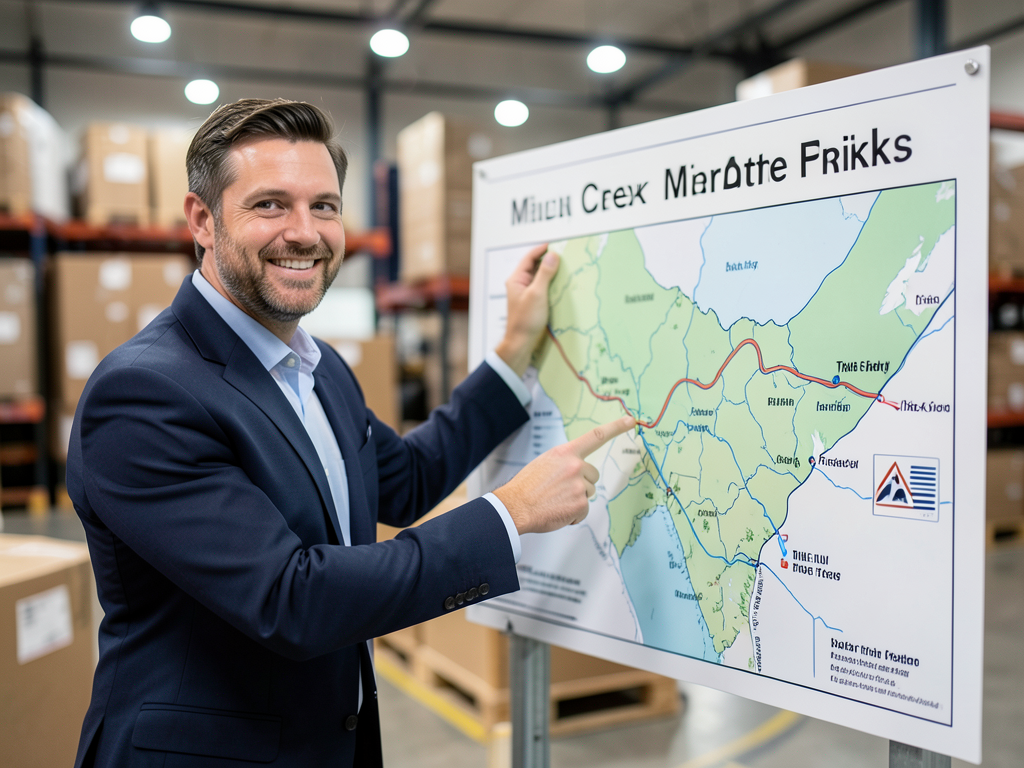
Diagram showing a warehouse floor plan with marked water shut-off valves electrical panels and priority inventory zones for emergency response.
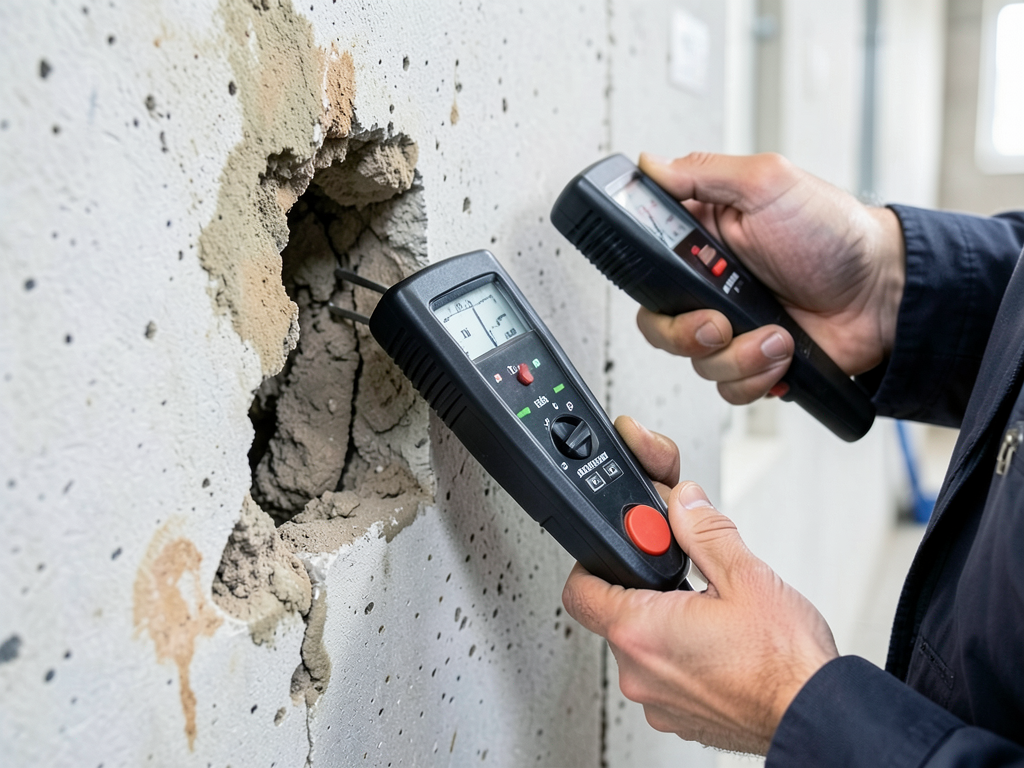
Photo of a commercial desiccant dehumidifier and industrial air movers deployed in a warehouse after water damage with moisture meters on site.
Image of a restoration crew using thermal imaging to detect hidden moisture in warehouse walls and ceilings during the drying process.
Take action before the next storm
Water damage can shut down your Springdale warehouse in hours. A pre-disaster recovery plan cuts response time protects inventory and keeps insurance claims moving. Call (513) 717-2522 today to schedule your facility assessment and secure a Priority Service Agreement. Do not wait until it is too late. Pick up the phone and call (513) 717-2522 before the next storm hits.
{
“@context”: “https://schema.org”,
“@type”: “BlogPosting”,
“headline”: “Why Springdale warehouse managers need a pre-disaster recovery plan”,
“description”: “Protect your Springdale warehouse from costly downtime with a pre-disaster recovery plan. Learn local risks, compliance steps, and 24/7 restoration partnerships.”,
“wordCount”: 1710,
“datePublished”: “2026-03-14T16:24:00.000Z”,
“dateModified”: “2026-03-14T16:24:00.000Z”,
“inLanguage”: “en-US”,
“mainEntityOfPage”: {
“@type”: “WebPage”,
“@id”: “https://acewaterdamagerestorationcincinnati.com”
},
“publisher”: {
“@type”: “LocalBusiness”,
“name”: “Ace Water Damage Restoration Cincinnati”,
“url”: “https://acewaterdamagerestorationcincinnati.com”
},
“author”: {
“@type”: “Organization”,
“name”: “Ace Water Damage Restoration Cincinnati”,
“url”: “https://acewaterdamagerestorationcincinnati.com”
},
“image”: {
“@type”: “ImageObject”,
“url”: “https://acewaterdamagerestorationcincinnati.com/wp-content/uploads/2026/03/why-springdale-warehouse-managers-need-a-pre-disas-1.png”
}
}
{
“@context”: “https://schema.org”,
“@type”: “LocalBusiness”,
“name”: “Ace Water Damage Restoration Cincinnati”,
“url”: “https://acewaterdamagerestorationcincinnati.com”,
“address”: {
“@type”: “PostalAddress”,
“addressLocality”: “Cincinnati”
},
“areaServed”: {
“@type”: “City”,
“name”: “Cincinnati”
}
}
{
“@context”: “https://schema.org”,
“@type”: “FAQPage”,
“mainEntity”: [
{
“@type”: “Question”,
“name”: “How quickly should I call a restoration company after water damage?”,
“acceptedAnswer”: {
“@type”: “Answer”,
“text”: “Call within the first hour. Water spreads fast and mold can grow in 24-48 hours. A pre-disaster plan ensures you have the number ready.”
}
},
{
“@type”: “Question”,
“name”: “Does commercial insurance cover all water damage?”,
“acceptedAnswer”: {
“@type”: “Answer”,
“text”: “Most policies cover sudden leaks but exclude flood. Springdale warehouses near Mill Creek should check for separate flood coverage.”
}
},
{
“@type”: “Question”,
“name”: “What is the difference between a PSA and a regular service call?”,
“acceptedAnswer”: {
“@type”: “Answer”,
“text”: “A PSA guarantees priority response set pricing and streamlined insurance billing. Without it you wait in line with residential calls.”
}
},
{
“@type”: “Question”,
“name”: “How often should I update my disaster recovery plan?”,
“acceptedAnswer”: {
“@type”: “Answer”,
“text”: “Review it annually and after any incident. Update contact lists procedures and compliance requirements each time.”
}
},
{
“@type”: “Question”,
“name”: “Can I handle water damage cleanup myself?”,
“acceptedAnswer”: {
“@type”: “Answer”,
“text”: “Small spills may be safe but contaminated water or hidden moisture requires professional equipment and training to avoid health risks and code violations.”
}
},
{
“@type”: “Question”,
“name”: “What equipment do restoration crews use?”,
“acceptedAnswer”: {
“@type”: “Answer”,
“text”: “They use truck-mounted extractors industrial air movers desiccant dehumidifiers moisture meters and HEPA air scrubbers to dry and clean affected areas.”
}
},
{
“@type”: “Question”,
“name”: “How long does structural drying take?”,
“acceptedAnswer”: {
“@type”: “Answer”,
“text”: “Most warehouses dry in 3-5 days but hidden moisture can extend this. A pre-disaster plan includes daily moisture checks to track progress.”
}
},
{
“@type”: “Question”,
“name”: “Will restoration work disrupt my operations?”,
“acceptedAnswer”: {
“@type”: “Answer”,
“text”: “A good plan isolates damaged zones so the rest of the warehouse stays operational. Crews work after hours if needed.”
}
},
{
“@type”: “Question”,
“name”: “What if I discover mold during cleanup?”,
“acceptedAnswer”: {
“@type”: “Answer”,
“text”: “Stop work and call a certified mold remediation team. Mold spreads fast and requires containment to protect staff and inventory.”
}
},
{
“@type”: “Question”,
“name”: “How do I document damage for insurance?”,
“acceptedAnswer”: {
“@type”: “Answer”,
“text”: “Take photos before moving anything. Use a digital inventory list and keep receipts for any emergency actions. Restoration crews provide detailed reports for claims.”
}
}
]
}
{
“@context”: “https://schema.org”,
“@type”: “HowTo”,
“name”: “How to create a warehouse disaster recovery plan”,
“step”: [
{
“@type”: “HowToStep”,
“position”: 1,
“name”: “Assess the facility”,
“text”: “Walk through the warehouse and map water entry points shut-off valves electrical panels and inventory zones.”
},
{
“@type”: “HowToStep”,
“position”: 2,
“name”: “Assign roles”,
“text”: “Designate staff to contact emergency services move inventory and coordinate with restoration crews.”
},
{
“@type”: “HowToStep”,
“position”: 3,
“name”: “Prioritize assets”,
“text”: “Identify high-value or moisture-sensitive items for immediate relocation during an incident.”
},
{
“@type”: “HowToStep”,
“position”: 4,
“name”: “Secure vendor agreements”,
“text”: “Sign a Priority Service Agreement with a local restoration company for 24/7 response.”
},
{
“@type”: “HowToStep”,
“position”: 5,
“name”: “Document and train”,
“text”: “Write the plan share it with staff and run annual drills to test procedures.”
}
],
“image”: “https://acewaterdamagerestorationcincinnati.com/wp-content/uploads/2026/03/why-springdale-warehouse-managers-need-a-pre-disas-1.png”
}
{
“@context”: “https://schema.org”,
“@type”: “BreadcrumbList”,
“itemListElement”: [
{
“@type”: “ListItem”,
“position”: 1,
“name”: “Home”,
“item”: “https://acewaterdamagerestorationcincinnati.com”
},
{
“@type”: “ListItem”,
“position”: 2,
“name”: “Blog”,
“item”: “https://acewaterdamagerestorationcincinnati.com/blog”
},
{
“@type”: “ListItem”,
“position”: 3,
“name”: “Why Springdale warehouse managers need a pre-disaster recovery plan”
}
]
}
{
“@context”: “https://schema.org”,
“@type”: “Service”,
“serviceType”: “Water Damage Restoration”,
“provider”: {
“@type”: “LocalBusiness”,
“name”: “Ace Water Damage Restoration Cincinnati”,
“url”: “https://acewaterdamagerestorationcincinnati.com”
},
“areaServed”: {
“@type”: “City”,
“name”: “Cincinnati”
},
“description”: “Protect your Springdale warehouse from costly downtime with a pre-disaster recovery plan. Learn local risks, compliance steps, and 24/7 restoration partnerships.”
}