How your HVAC system can spread mold after a flood in Sycamore Township
When floodwater enters your Sycamore Township home, the damage extends far beyond what you can see on the floor. Within 24-48 hours, moisture can penetrate your HVAC system’s ductwork and insulation, creating the perfect breeding ground for mold spores that then circulate throughout your entire house every time the system runs. Water Damage Restoration Blue Ash.
Cincinnati’s humid Ohio River Valley climate means homes in Sycamore Township face unique challenges after flooding. The combination of warm temperatures and high humidity accelerates microbial growth in HVAC components, turning your heating and cooling system into a hidden health hazard. Understanding this connection between flood damage and HVAC contamination is crucial for protecting your family’s health and your home’s indoor air quality.. Read more about Why that lingering smell after a flood won’t go away in Finneytown.
Why water damage leads to rapid mold growth in HVAC systems
Floodwater doesn’t just sit on surfaces—it wicks into porous materials at a rate of about one inch per hour. Your HVAC system contains numerous materials that absorb moisture quickly: fiberglass insulation, cardboard air filters, and the paper backing on duct liner. Once these materials reach a moisture content above 16%, mold spores that naturally exist in all environments begin to germinate and multiply.
The physics of HVAC operation compounds the problem. When your system runs, it creates negative pressure that can draw contaminated air from flooded areas into the ductwork. Even if the floodwater didn’t directly contact your vents, the pressure differentials can pull mold spores from wall cavities and subfloors into your air distribution system. This is why homes in Sycamore Township with finished basements often experience widespread contamination even when the visible flooding was limited. What to Do When Your Indian Hill Basement Floods Unexpectedly.
According to the IICRC S520 standard for mold remediation, once microbial contamination occurs in HVAC systems, the entire system must be treated as contaminated. The standard requires HEPA filtration and negative air pressure during remediation to prevent cross-contamination to unaffected areas of the home. EPA Mold Resources.
5 signs you have mold in your vents after a leak or flood
Identifying HVAC mold contamination early can prevent serious health issues and more extensive damage. Here are the five most common indicators that your Sycamore Township home’s air ducts may be compromised after flooding:
- Musty odors when the system starts – A damp, earthy smell that appears within seconds of turning on your AC or furnace indicates microbial growth somewhere in the system. This is often the first detectable sign.
- Visible mold around vents – Black, green, or white fuzzy growth on vent covers or nearby walls suggests spores are being distributed through your ductwork.
- Increased allergy symptoms indoors – If family members experience more frequent sneezing, coughing, or respiratory irritation when inside but feel better away from home, your HVAC system may be circulating allergens.
- Condensation on vent covers – Excessive moisture on vent surfaces indicates your system is creating conditions favorable for mold growth within the ducts.
- Recent water exposure history – Any flooding, plumbing leaks, or roof damage within the past 72 hours significantly increases the likelihood of HVAC contamination, even if you don’t see other symptoms yet.
Professional mold testing can confirm contamination, but these warning signs should prompt immediate action to prevent further spread throughout your Sycamore Township home.
The health risks of breathing duct-borne mold spores
Mold spores released from contaminated HVAC systems pose serious health risks, particularly for vulnerable populations. The Ohio Department of Health tracks respiratory illness patterns and has documented increased asthma incidents in areas with known mold contamination problems following flooding events.
The most concerning mold species found in flood-damaged HVAC systems is Stachybotrys chartarum, commonly known as black mold. This species produces mycotoxins that can cause:
- Chronic respiratory inflammation and coughing
- Headaches and fatigue
- Neurological symptoms including memory problems
- Worsening of existing asthma or allergies
- Immune system suppression in vulnerable individuals
Children, elderly residents, and those with compromised immune systems face the highest risk from exposure to duct-borne mold spores. The EPA recommends immediate remediation when visible mold growth or strong musty odors are detected in HVAC systems, as continued exposure can lead to long-term health complications.
In Sycamore Township’s older homes, the risk is compounded by aging ductwork that may have accumulated dust and debris over decades, providing additional organic material for mold to feed on once moisture is introduced.
Our professional mold remediation process for Cincinnati properties
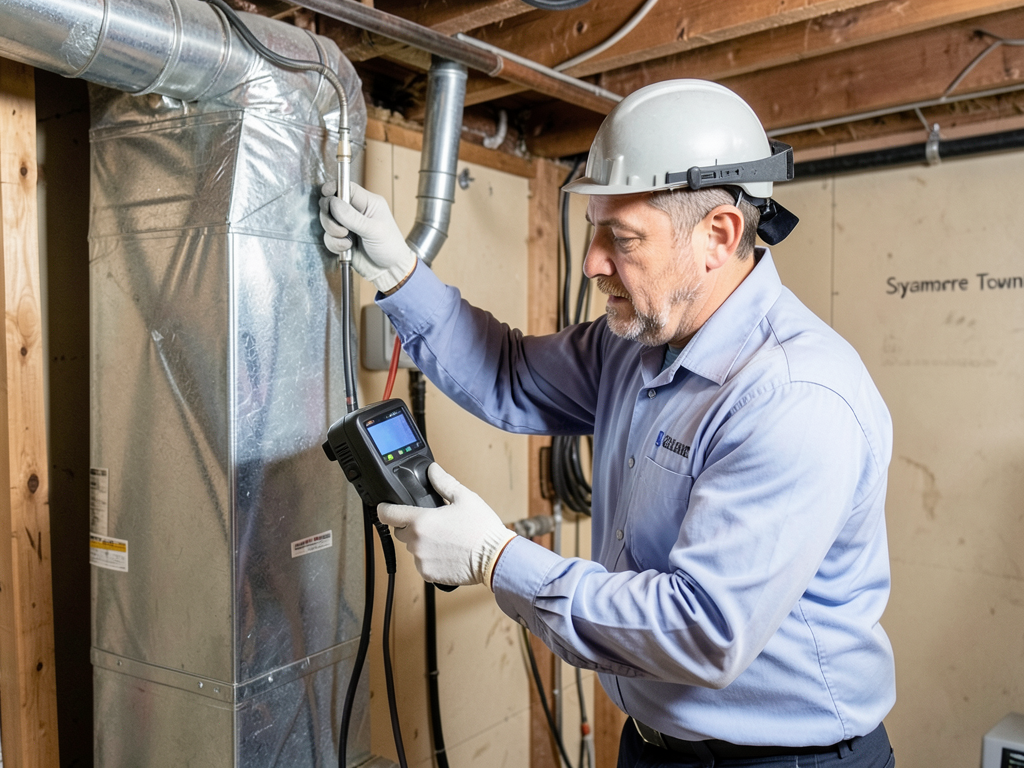
Effective HVAC mold remediation requires specialized equipment and training that goes far beyond standard duct cleaning. Our process follows the IICRC S520 standard and includes: IICRC Standards.
- Containment setup – We establish negative air pressure zones using HEPA-filtered air scrubbers to prevent spore migration during the remediation process.
- HEPA vacuuming – All accessible duct surfaces are cleaned using commercial-grade HEPA vacuums that capture particles as small as 0.3 microns.
- Antimicrobial treatment – EPA-registered biocides are applied to all affected surfaces, killing active mold colonies and preventing regrowth.
- Duct sealing – We apply antimicrobial sealants to porous duct surfaces that cannot be physically removed, creating a barrier against future contamination.
- Final testing – Post-remediation air quality testing confirms that spore counts have returned to normal levels before we consider the job complete.
The entire process typically takes 1-3 days depending on the extent of contamination and the size of your HVAC system. We coordinate directly with your insurance company to streamline the claims process for Sycamore Township homeowners.
DIY vs. professional duct cleaning: when to call the experts
Many homeowners wonder if they can handle mold in their HVAC system themselves. While changing air filters and cleaning vent covers are appropriate DIY tasks, mold remediation requires professional intervention when:
| DIY Appropriate | Professional Required |
|---|---|
| Changing standard air filters monthly | Visible mold growth in ducts |
| Cleaning vent covers with soap and water | Musty odors from vents |
| Using high-quality HEPA air filters | Flood or water damage history |
| Keeping humidity below 50% | Health symptoms linked to indoor air |
| Annual professional HVAC maintenance | Area affected exceeds 10 square feet |
Attempting to clean mold-contaminated ductwork without proper containment and HEPA filtration can actually worsen the problem by spreading spores throughout your home. Professional remediation ensures the contamination is fully addressed and prevents cross-contamination to unaffected areas.
Preventing future mold growth in the humid Ohio River Valley climate
Sycamore Township’s location in the Ohio River Valley creates year-round challenges for maintaining healthy indoor air quality. The area’s average summer humidity exceeds 70%, providing ideal conditions for mold growth if moisture problems occur.
Prevention starts with addressing the root causes of moisture intrusion. The Hamilton County Building Code requires proper grading and drainage for all new construction, but many older Sycamore Township homes were built before these standards were in place. Common vulnerabilities include:
- Foundation cracks that allow groundwater seepage
- Improperly sealed HVAC penetrations in exterior walls
- Lack of vapor barriers in crawl spaces and basements
- Aged plumbing that develops slow leaks behind walls
Installing a whole-house dehumidifier can maintain indoor humidity between 30-50%, creating conditions where mold cannot thrive. For homes with a history of flooding, consider upgrading to a battery-backed sump pump system and installing water sensors near HVAC equipment that can alert you to moisture problems before they escalate.
Regular HVAC maintenance is your best defense against mold growth. Annual professional cleaning and inspection can identify potential problems before they require extensive remediation. During these visits, technicians should check for condensation on ductwork, proper drainage from cooling coils, and signs of microbial growth.
Call (513) 717-2522 today to schedule your inspection. Don’t wait until musty odors or health symptoms appear. A professional assessment can identify potential HVAC contamination before it becomes a serious problem for your Sycamore Township home.
Frequently Asked Questions
How quickly does mold grow in HVAC systems after flooding?
Mold can begin growing within 24-48 hours after water exposure in HVAC systems. The combination of organic materials in ductwork and the system’s normal operating temperatures creates ideal conditions for rapid microbial growth once moisture is introduced.
Will my homeowner’s insurance cover mold remediation in air ducts?
Coverage depends on your specific policy and the cause of the mold. Most Ohio homeowners’ policies cover sudden water damage that leads to mold growth, but may exclude long-term moisture problems or flooding from external sources. We can help you understand your coverage and work directly with your insurance company.
How can I tell if the musty smell is coming from my HVAC system?
Turn off your HVAC system for several hours, then turn it back on. If the musty odor appears within 30 seconds of the system starting, the source is likely within the ductwork or air handler. The smell should dissipate quickly when the system is off if it’s coming from the HVAC system.
What’s the difference between duct cleaning and mold remediation?
Duct cleaning removes dust and debris but doesn’t address microbial contamination. Mold remediation follows specific protocols including containment, HEPA filtration, and antimicrobial treatment to safely remove mold and prevent its spread. Standard cleaning can actually spread mold spores if proper containment isn’t used.
How long does professional HVAC mold remediation take?
Most residential HVAC mold remediation projects take 1-3 days. The timeline depends on the extent of contamination, the size of your system, and whether any ductwork needs to be replaced. We’ll provide a specific timeline after our initial assessment of your Sycamore Township home.
Can mold in my air ducts make me sick?
Yes. Mold spores circulated through your HVAC system can cause respiratory issues, allergic reactions, and other health problems. Symptoms often include coughing, sneezing, headaches, fatigue, and worsening asthma. Some mold species produce mycotoxins that can cause more serious health effects with prolonged exposure.
How often should I have my HVAC system inspected for mold?
We recommend professional inspection annually, with additional checks after any flooding or significant water damage. Homes in Sycamore Township’s humid climate may benefit from twice-yearly inspections due to the increased risk of moisture-related problems.
Pick up the phone and call (513) 717-2522 before the next storm hits. Our team understands the unique challenges Cincinnati-area homes face and can help protect your family’s health with professional mold remediation services.
{
“@context”: “https://schema.org”,
“@type”: “BlogPosting”,
“headline”: “How your HVAC system can spread mold after a flood in Sycamore Township”,
“description”: “Learn how flooding in Sycamore Township homes can contaminate HVAC systems with mold. Discover warning signs, health risks, and professional remediation solutions from Cincinnati experts.”,
“wordCount”: 1698,
“datePublished”: “2026-03-20T09:08:00.000Z”,
“dateModified”: “2026-03-20T09:08:00.000Z”,
“inLanguage”: “en-US”,
“mainEntityOfPage”: {
“@type”: “WebPage”,
“@id”: “https://acewaterdamagerestorationcincinnati.com”
},
“publisher”: {
“@type”: “LocalBusiness”,
“name”: “Ace Water Damage Restoration Cincinnati”,
“url”: “https://acewaterdamagerestorationcincinnati.com”
},
“author”: {
“@type”: “Organization”,
“name”: “Ace Water Damage Restoration Cincinnati”,
“url”: “https://acewaterdamagerestorationcincinnati.com”
},
“image”: {
“@type”: “ImageObject”,
“url”: “https://acewaterdamagerestorationcincinnati.com/wp-content/uploads/2026/03/how-your-hvac-system-can-spread-mold-after-a-flood-1.png”
}
}
{
“@context”: “https://schema.org”,
“@type”: “LocalBusiness”,
“name”: “Ace Water Damage Restoration Cincinnati”,
“url”: “https://acewaterdamagerestorationcincinnati.com”,
“address”: {
“@type”: “PostalAddress”,
“addressLocality”: “Cincinnati”
},
“areaServed”: {
“@type”: “City”,
“name”: “Cincinnati”
}
}
{
“@context”: “https://schema.org”,
“@type”: “FAQPage”,
“mainEntity”: [
{
“@type”: “Question”,
“name”: “How quickly does mold grow in HVAC systems after flooding?”,
“acceptedAnswer”: {
“@type”: “Answer”,
“text”: “Mold can begin growing within 24-48 hours after water exposure in HVAC systems. The combination of organic materials in ductwork and the system’s normal operating temperatures creates ideal conditions for rapid microbial growth once moisture is introduced.”
}
},
{
“@type”: “Question”,
“name”: “Will my homeowner’s insurance cover mold remediation in air ducts?”,
“acceptedAnswer”: {
“@type”: “Answer”,
“text”: “Coverage depends on your specific policy and the cause of the mold. Most Ohio homeowners’ policies cover sudden water damage that leads to mold growth, but may exclude long-term moisture problems or flooding from external sources. We can help you understand your coverage and work directly with your insurance company.”
}
},
{
“@type”: “Question”,
“name”: “How can I tell if the musty smell is coming from my HVAC system?”,
“acceptedAnswer”: {
“@type”: “Answer”,
“text”: “Turn off your HVAC system for several hours, then turn it back on. If the musty odor appears within 30 seconds of the system starting, the source is likely within the ductwork or air handler. The smell should dissipate quickly when the system is off if it’s coming from the HVAC system.”
}
},
{
“@type”: “Question”,
“name”: “What’s the difference between duct cleaning and mold remediation?”,
“acceptedAnswer”: {
“@type”: “Answer”,
“text”: “Duct cleaning removes dust and debris but doesn’t address microbial contamination. Mold remediation follows specific protocols including containment, HEPA filtration, and antimicrobial treatment to safely remove mold and prevent its spread. Standard cleaning can actually spread mold spores if proper containment isn’t used.”
}
},
{
“@type”: “Question”,
“name”: “How long does professional HVAC mold remediation take?”,
“acceptedAnswer”: {
“@type”: “Answer”,
“text”: “Most residential HVAC mold remediation projects take 1-3 days. The timeline depends on the extent of contamination, the size of your system, and whether any ductwork needs to be replaced. We’ll provide a specific timeline after our initial assessment of your Sycamore Township home.”
}
},
{
“@type”: “Question”,
“name”: “Can mold in my air ducts make me sick?”,
“acceptedAnswer”: {
“@type”: “Answer”,
“text”: “Yes. Mold spores circulated through your HVAC system can cause respiratory issues, allergic reactions, and other health problems. Symptoms often include coughing, sneezing, headaches, fatigue, and worsening asthma. Some mold species produce mycotoxins that can cause more serious health effects with prolonged exposure.”
}
}
]
}
{
“@context”: “https://schema.org”,
“@type”: “BreadcrumbList”,
“itemListElement”: [
{
“@type”: “ListItem”,
“position”: 1,
“name”: “Home”,
“item”: “https://acewaterdamagerestorationcincinnati.com”
},
{
“@type”: “ListItem”,
“position”: 2,
“name”: “Blog”,
“item”: “https://acewaterdamagerestorationcincinnati.com/blog”
},
{
“@type”: “ListItem”,
“position”: 3,
“name”: “How your HVAC system can spread mold after a flood in Sycamore Township”
}
]
}
{
“@context”: “https://schema.org”,
“@type”: “Service”,
“serviceType”: “Water Damage Restoration”,
“provider”: {
“@type”: “LocalBusiness”,
“name”: “Ace Water Damage Restoration Cincinnati”,
“url”: “https://acewaterdamagerestorationcincinnati.com”
},
“areaServed”: {
“@type”: “City”,
“name”: “Cincinnati”
},
“description”: “Learn how flooding in Sycamore Township homes can contaminate HVAC systems with mold. Discover warning signs, health risks, and professional remediation solutions from Cincinnati experts.”
}