Menu

Does Insurance Cover Mold in Cincinnati? Get Direct Answers and Claims Support

We break down exactly what homeowners insurance mold coverage includes, when mold remediation insurance claims get approved, and how to maximize your property insurance mold coverage after water damage in greater Cincinnati.

Slider Image 1
Slider Image 2
Slider Image 3
Slider Image 4
Slider Image 5
Slider Image 7
Slider Image 8
Slider Image 9
Slider Image 10
Slider Image 11

Cincinnati Homeowners Face Mold Coverage Confusion After Water Events

You discovered mold after a pipe burst or roof leak. Your first question is whether homeowners insurance mold coverage will pay for cleanup. The answer depends entirely on what caused the moisture problem and how quickly you acted.

Cincinnati's humid summers create perfect conditions for mold growth. When the Ohio River valley traps moisture and temperatures spike into the 80s and 90s, spores colonize within 24 to 48 hours after water intrusion. Basements in neighborhoods like Hyde Park and Oakley stay damp year-round, which complicates coverage decisions.

Most property insurance mold coverage policies follow a simple rule. If sudden and accidental water damage causes mold, your policy typically covers remediation up to a specific limit, often between $5,000 and $10,000. A burst washing machine hose or storm-damaged roof qualifies. However, if mold results from long-term neglect, gradual leaks, or poor maintenance, insurers deny the claim.

The critical factor is timing. When you ignore a slow bathroom leak for months, does home insurance pay for mold removal? Almost never. Insurers expect you to stop water intrusion immediately and dry affected areas within 48 hours. Document everything with photos and timestamps.

Is mold damage covered by insurance after flooding? Standard homeowners policies exclude flood-related mold. You need separate flood insurance through FEMA's National Flood Insurance Program, and even then, mold remediation insurance claims face strict coverage caps and documentation requirements.

Cincinnati's older housing stock in areas like Clifton and Mount Adams means hidden plumbing failures and roof deterioration. These create gray areas where insurers argue the damage was preventable.

Cincinnati Homeowners Face Mold Coverage Confusion After Water Events
How Mold Coverage Actually Works in Insurance Policies

How Mold Coverage Actually Works in Insurance Policies

Insurance companies separate mold into two categories. Covered peril mold comes from sudden accidents like burst pipes, appliance malfunctions, or storm damage that breaches your roof. Excluded peril mold develops from maintenance failures, humidity problems, or gradual leaks you should have noticed.

The policy language matters. Most carriers include a mold remediation sublimit, a separate smaller cap within your dwelling coverage. While your home might be insured for $300,000, your mold remediation insurance claims may max out at $10,000 or less. Read your declarations page to find this number.

Causation determines approval. If a tree falls on your roof during a storm and water soaks your attic insulation, allowing mold to grow, your claim gets approved because the covered peril (storm damage) directly caused the mold. But if your air conditioner drip pan overflowed for weeks because you skipped maintenance, the insurer denies coverage for resulting mold.

Timing creates another approval factor. Adjusters look at your response speed. Did you extract standing water within hours? Did you run dehumidifiers and air movers? Did you notify your insurer within the required timeframe, usually 24 to 72 hours? Delayed action gives carriers grounds to argue you worsened the loss.

Property insurance mold coverage also excludes certain mold types and locations. Policies rarely cover mold in crawl spaces, unfinished basements, or areas with chronic moisture problems. Black mold (Stachybotrys chartarum) does not automatically trigger higher payouts despite its reputation. Insurers treat all mold the same under standard policies.

Ace Water Damage Restoration Cincinnati works directly with adjusters to document covered losses, separate new damage from pre-existing conditions, and provide detailed remediation scopes that match policy language.

How We Help You Navigate Mold Insurance Claims

Does Insurance Cover Mold in Cincinnati? Get Direct Answers and Claims Support
01

Policy Review and Eligibility

We start by reviewing your specific homeowners insurance mold coverage limits and exclusions. You bring your policy declarations page, and we identify your mold sublimit, covered perils, and notification requirements. We determine whether the water source qualifies as sudden and accidental. This review takes 15 to 20 minutes and prevents claim denials before you file. We explain exactly what documentation your carrier requires and what language to use when reporting the loss.
02

Documentation and Scope Development

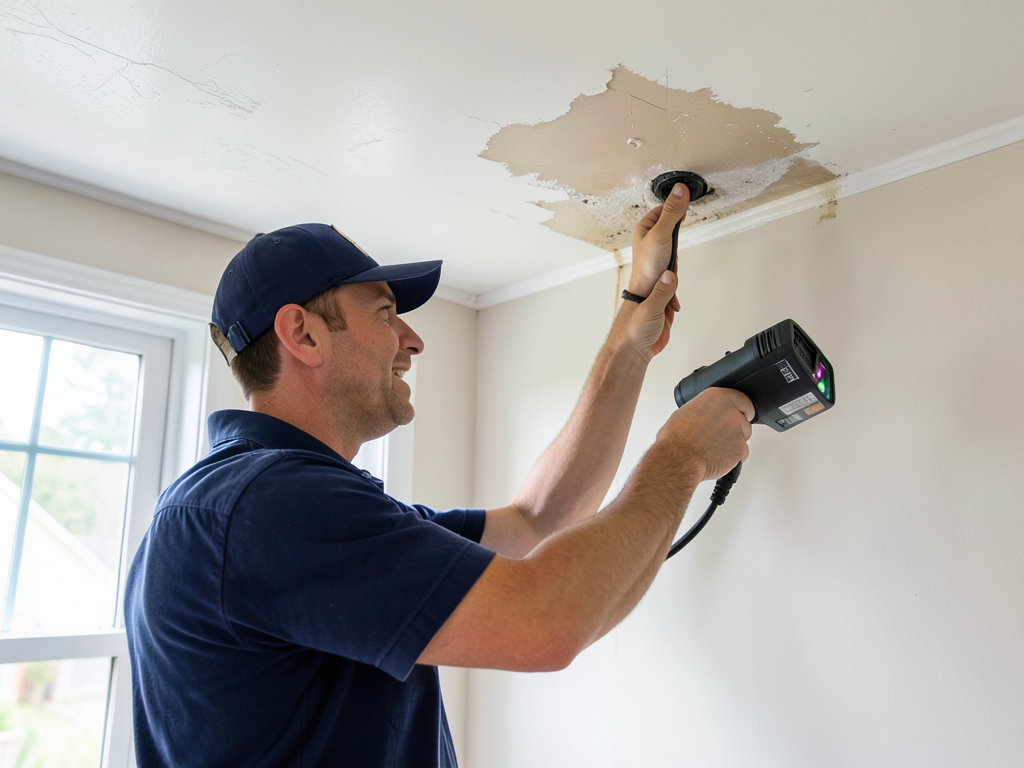
We photograph all affected materials, measure moisture levels with thermal imaging and hygrometers, and map the contamination zone. Our technicians document the timeline from initial water intrusion to mold discovery, proving you acted within acceptable response windows. We create a detailed remediation scope using Xactimate software, the same estimating platform adjusters use. This eliminates disputes over pricing and ensures your mold remediation insurance claims match industry standards for containment, removal, and restoration.
03

Adjuster Coordination and Claim Support

We communicate directly with your insurance adjuster, providing technical explanations of contamination levels, moisture readings, and necessary remediation protocols. If the adjuster questions our scope, we provide IICRC S520 references and EPA guidelines that justify our approach. We handle supplement requests when hidden damage appears during demolition. Our goal is to maximize your property insurance mold coverage while keeping the claim process transparent. You receive copies of all correspondence and documentation submitted to your carrier.

Why Cincinnati Property Owners Choose Local Mold and Insurance Experts

Insurance adjusters scrutinize mold claims more than almost any other loss type. They look for reasons to limit payouts or deny coverage entirely. You need a restoration company that understands both the science of remediation and the business of insurance.

Ace Water Damage Restoration Cincinnati has worked with every major carrier operating in Hamilton County. We know how Nationwide, State Farm, Allstate, and Liberty Mutual handle mold claims differently. We understand which carriers automatically cap mold at $5,000 and which allow documented exceptions for severe contamination.

Our technicians hold IICRC Applied Microbial Remediation Technician (AMRT) certifications. This training covers containment protocols, air filtration requirements, and proper disposal methods that meet Ohio Department of Health guidelines. When adjusters challenge our methods, we reference industry standards they cannot dispute.

Cincinnati's housing creates unique claim complications. Homes built before 1950 in neighborhoods like Northside and Westwood often have knob-and-tube wiring, cast iron plumbing, and minimal crawl space ventilation. These factors contribute to moisture problems that blur the line between sudden damage and long-term neglect. We document how recent water events caused new contamination separate from pre-existing conditions.

We also understand local building codes enforced by the Cincinnati Department of Buildings and Inspections. When remediation requires structural repairs, we coordinate permits and inspections that protect your claim. Unpermitted work gives insurers ammunition to reduce settlements.

Our local presence means we respond within hours, not days. Fast response preserves evidence and prevents secondary damage that adjusters blame on delayed mitigation. We extract water, stabilize humidity, and contain contamination before mold spreads beyond the original loss area.

You get a single point of contact who manages the entire process from emergency mitigation through final restoration and claim settlement.


What to Expect When Filing a Mold Insurance Claim

Immediate Response and Mitigation

We arrive within two hours of your call for emergency water extraction and drying. Speed directly impacts claim approval because insurers expect you to prevent mold growth through prompt mitigation. Our trucks carry commercial dehumidifiers, air movers, and moisture meters. We establish drying logs that document your due diligence, a critical factor when adjusters review your file. We also set up containment barriers if mold is already visible, preventing cross-contamination that expands the loss. You receive same-day documentation including photos, moisture readings, and a preliminary scope that you can forward to your insurance company when you report the claim.

Thorough Inspection and Testing

We conduct invasive inspections behind walls, above ceilings, and under flooring to find all contaminated materials. Adjusters reduce settlements when hidden mold appears mid-project because they assume you failed to disclose the full extent of damage. We use thermal imaging to detect moisture trapped in wall cavities and perform air quality sampling when contamination levels are unclear. These tests cost between $300 and $600 but prevent disputes over whether remediation is actually necessary. We involve third-party industrial hygienists when adjusters question our findings. The hygienist provides an unbiased assessment that carries significant weight during claim negotiations. You get a detailed report that separates covered water damage from pre-existing moisture problems.

Professional Remediation and Restoration

We follow IICRC S520 protocols for containment, removal, and disposal. Contaminated materials go into sealed bags marked as construction debris, not hazardous waste, which keeps disposal costs reasonable and defensible to adjusters. We run HEPA-filtered negative air machines during demolition to prevent spore spread. After removal, we treat all surfaces with antimicrobial solutions and encapsulants. We perform post-remediation testing to verify clearance before reconstruction begins. This testing protects you from future liability and gives your insurance company confidence that the loss is fully resolved. Reconstruction includes replacing drywall, insulation, flooring, and any structural components damaged during remediation. We match materials to your home's original finishes. The entire process takes one to three weeks depending on contamination severity.

Claim Settlement and Final Clearance

We compile all documentation, invoices, and clearance tests into a complete claim package for your adjuster. This package includes before and after photos, moisture logs, disposal receipts, and certificates of completion. If your carrier issues a partial payment, we file a supplement with detailed justifications for additional costs. We also coordinate with your mortgage company if they are named on the claim check, ensuring endorsement and fund release happen quickly. You receive a final walkthrough where we verify all work meets your satisfaction and insurance requirements. We provide digital copies of all records for your permanent files. Most importantly, we never pressure you to sign a certificate of completion until you are completely satisfied with the restoration quality and your insurance settlement is finalized.

Frequently Asked Questions

You Have Questions,
We Have Answers

Should I tell my insurance company about mold? +

Yes, you should notify your insurance company promptly about mold. Most policies require immediate reporting of water damage or potential claims. In Cincinnati, where humidity and Ohio River proximity increase mold risk, quick communication is critical. Document the mold with photos and note when you discovered it. Be clear about the source: sudden pipe bursts often get coverage, while slow leaks from deferred maintenance typically do not. Your adjuster will investigate. Delaying notification can jeopardize your claim. Report even if you are unsure about coverage. Transparency protects your rights.

Can you claim for mold on house insurance? +

You can claim mold on house insurance, but coverage depends on the cause. Policies typically cover mold resulting from sudden, accidental water damage like burst pipes or storm flooding. Mold from neglect, slow leaks, or high humidity usually gets excluded. Cincinnati homes face seasonal moisture challenges from freeze-thaw cycles and summer humidity. Review your policy declarations page for mold limitations, often capped at $10,000. File claims only when mold stems from a covered peril. Your adjuster will evaluate the source before approving remediation costs.

What are my rights if my insurance denies a mold claim? +

If your insurance denies a mold claim, you have options. Request a written explanation citing the specific policy exclusion. Review your policy carefully or hire a public adjuster to challenge the denial. In Ohio, you can file a complaint with the Department of Insurance if you believe the denial is unfair. Document everything: photos, repair estimates, and correspondence. Consider an independent mold inspection to prove the damage source. In Cincinnati, humidity and water damage disputes are common. You may need legal counsel if the denial seems incorrect or arbitrary.

What is an example of a mold claim for insurance? +

A typical mold claim starts with a covered water event. For example, a Cincinnati homeowner returns from vacation to find a burst washing machine hose flooded the basement. Water sat for three days, causing mold growth on drywall and studs. The homeowner files a claim immediately, documenting the burst hose and mold damage with photos. The insurer covers water extraction, structural drying, and mold remediation because the damage was sudden and accidental. The claim totals $8,000. Coverage applies because the source was an unexpected plumbing failure.

Will my rates go up if I file a mold claim? +

Filing a mold claim can increase your rates, though not always. Insurers view claims as risk indicators. A single mold claim from a sudden pipe burst may cause a modest rate hike or none at all. Multiple claims or claims from neglect can trigger significant increases or policy non-renewal. In Cincinnati, where water damage claims are frequent due to Ohio Valley weather, insurers evaluate patterns. Rates depend on your claims history, insurer, and policy type. Some companies offer claim-free discounts. Weigh the claim payout against potential long-term premium increases before filing.

What to do if you can't afford mold removal? +

If you cannot afford mold removal, act quickly to prevent worsening damage. Start with DIY cleaning for small areas under 10 square feet using detergent and water. For larger growth, contact local Cincinnati nonprofits or housing assistance programs that offer emergency repair grants. Some remediation companies provide payment plans. Address the moisture source first to stop new growth. Consider a home equity loan or credit options if mold threatens health or structural integrity. Delaying professional remediation can lead to expensive repairs later. Prioritize safety, especially for vulnerable family members.

What is the average cost of mold remediation? +

Mold remediation costs vary widely based on extent and location. Small projects under 10 square feet may cost a few hundred dollars. Whole-home remediation can reach several thousand. Factors include square footage affected, contamination type, and structural damage. In Cincinnati, basement mold from seasonal flooding or humidity is common, often requiring containment and HVAC cleaning. Costs also depend on accessibility and materials involved. Always get multiple estimates. Insurance may cover some costs if mold resulted from a covered water event. Professional remediation ensures safe, thorough removal.

How much does it cost to fix damp issues in a house? +

Fixing damp issues varies by cause and severity. Minor repairs like sealing basement cracks or improving ventilation may cost a few hundred dollars. Major fixes involving foundation waterproofing, sump pump installation, or crawl space encapsulation can reach several thousand. Cincinnati homes often face moisture issues from clay soil, high water tables, and Ohio River humidity. Costs depend on square footage, access, and materials. Address the moisture source first to prevent recurring problems. Dehumidifiers and proper grading help long-term. Get detailed estimates from local contractors familiar with regional soil and climate challenges.

What are the signs of mold in a house? +

Mold signs include visible black, green, or white patches on walls, ceilings, or floors. You may notice a musty, earthy odor even without visible growth. Water stains, peeling paint, or warping materials suggest hidden moisture and potential mold. Health symptoms like coughing, sneezing, or respiratory irritation can indicate mold exposure. In Cincinnati, basements and crawl spaces are common problem areas due to humidity and poor ventilation. Check behind appliances, under sinks, and around windows. If you suspect mold, investigate immediately to prevent spreading and health risks.

How to get homeowners insurance to pay for mold? +

To get homeowners insurance to pay for mold, prove the damage resulted from a sudden, covered event like a burst pipe or storm flooding. Document everything: take photos, save repair receipts, and note discovery dates. File your claim immediately and provide clear evidence linking mold to the covered peril. In Cincinnati, freeze-thaw pipe bursts and storm damage are common covered events. Review your policy for mold coverage limits. Hire a public adjuster if needed to strengthen your claim. Avoid mentioning neglect or long-term leaks, which insurers exclude. Transparency and documentation improve approval chances.

How Cincinnati's Humidity and Older Homes Complicate Mold Insurance Coverage

Cincinnati averages 65 to 75 percent relative humidity during summer months, well above the 60 percent threshold where mold thrives. The Ohio River valley creates a moisture trap that keeps basements damp even without active leaks. Insurance adjusters know this climate pattern and often argue that homeowners should maintain dehumidifiers and sump pumps year-round. When they find mold in basements or crawl spaces, they classify it as a maintenance issue rather than sudden water damage. Homes in low-lying areas near Mill Creek or the Little Miami River face even higher scrutiny because flood risk and chronic moisture blur coverage lines. We document exactly when water intrusion occurred and prove the contamination resulted from a specific covered event, not seasonal humidity. This distinction saves claims that would otherwise face automatic denial.

Water Damage Restoration Services in The Cincinnati Area

We are proud to serve the entire Cincinnati area, providing expert water damage restoration services wherever and whenever they are needed. We understand the unique challenges our local community faces and are committed to being there for our neighbors. View our service area on the map to see how we can assist you, or simply give us a call for immediate dispatch to your location.

Address:
Ace Water Damage Restoration Cincinnati, 1507 Dana Ave, Cincinnati, OH, 45207

Additional Services We Offer

Our news updates

Latest Articles & News from The Blogs

Finding the Source of a Slab Leak in Your Mack Home Slab leaks in Mack OH homes are more than…

Finding the Source of a Slab Leak in Your Mack Home

Finding the Source of a Slab Leak in Your Mack Home Slab leaks in Mack OH homes are more than…

What to Do When Your Water Heater Bursts in Madisonville

Emergency Water Heater Burst Cleanup in Madisonville, Cincinnati \n\n A water heater burst in Madisonville creates immediate flooding that can…

Salvaging Important Paper Documents and Photos After an Amberley Village Flood

Salvaging Important Paper Documents and Photos After an Amberley Village Flood When floodwaters rush through Amberley Village basements, the damage…

Contact Us

Call (513) 717-2522 now for a free insurance policy review and mold inspection. We will tell you whether your homeowners insurance mold coverage applies before you file a claim. Our team is available 24/7 to respond to water emergencies and preserve your coverage rights.