



Menu

Categories of Water in Cincinnati – Understanding Contamination Levels for Safe Restoration

Learn the IICRC water damage categories that determine cleanup protocols and health risks. Understanding water quality classifications protects your property and family from hidden contamination in Cincinnati homes.

Slider Image 1
Slider Image 2
Slider Image 3
Slider Image 4
Slider Image 5
Slider Image 7
Slider Image 8
Slider Image 9
Slider Image 10
Slider Image 11

Why Water Categories Matter in Cincinnati Properties

Not all water damage is the same. The water soaking your basement after a storm carries different risks than sewage backing up through your drains. Water contamination levels determine how you clean up, what you salvage, and what health risks you face.

The IICRC defines three water damage categories based on contamination. Category 1 is clean water from supply lines or rain. Category 2 is gray water with chemical or biological contamination. Category 3 is black water containing sewage, flood runoff, or standing water with bacterial growth.

Cincinnati's location along the Ohio River creates unique contamination risks. Spring flooding brings Category 3 water contaminated with agricultural runoff, industrial discharge, and sewage overflow. Summer storms overwhelm aging combined sewer systems in neighborhoods like Over-the-Rhine and Northside, pushing sewage into basements. Winter freeze-thaw cycles burst pipes, but the water itself starts clean at Category 1.

Understanding types of water contamination protects you from making dangerous mistakes. Homeowners who treat sewage backup like a simple spill expose their families to E. coli, hepatitis, and parasites. Property managers who misclassify Category 2 water create hidden mold growth that surfaces months later.

Water quality classifications also determine insurance claims and liability. Misidentifying contamination levels leads to inadequate cleanup, rejected claims, and potential lawsuits. The category dictates drying methods, antimicrobial treatments, and material disposal requirements.

Ohio building codes require proper classification before restoration begins. You cannot legally restore a basement flooded with Category 3 water using Category 1 protocols. The health department can red-tag properties with improper sewage cleanup.

Why Water Categories Matter in Cincinnati Properties
How Water Contamination Classification Works

How Water Contamination Classification Works

Water category assessment happens within hours of the initial call. Technicians identify the source, test contamination indicators, and document conditions before any cleanup begins. This classification drives every decision that follows.

Category 1 water originates from sanitary sources. Broken supply lines, water heater failures, and rainwater qualify if addressed within 48 hours. The water contains no substantial contamination, but time changes everything. Clean water becomes Category 2 after 48 hours as it absorbs contaminants from building materials and supports microbial growth.

Category 2 water contains chemical, biological, or physical contamination. Dishwasher overflows, washing machine discharge, aquarium breaks, and toilet bowl water without feces fall here. This gray water causes discomfort or illness if contacted or consumed. Porous materials like carpet padding, drywall, and insulation require different drying protocols than Category 1 incidents.

Category 3 water is grossly contaminated. Sewage backups, flooding from rivers or streams, ground surface water entering buildings, and any water sitting stagnant for days qualifies as black water. This classification requires aggressive antimicrobial treatment and disposal of most porous materials. You cannot save drywall, insulation, or carpet exposed to Category 3 water.

Ace Water Damage Restoration Cincinnati uses moisture meters, thermal imaging, and lab testing to confirm classifications. We document findings with photos, chain of custody samples, and detailed reports for insurance and health department compliance. Misclassification exposes you to liability, so we verify rather than assume.

The IICRC S500 Standard guides our protocol for each category. We follow contamination-specific PPE requirements, air filtration standards, and disposal procedures that protect occupants and workers.

How We Classify and Document Water Damage

Categories of Water in Cincinnati – Understanding Contamination Levels for Safe Restoration
01

Source Identification and Testing

We trace the water to its origin and collect samples for contamination analysis. Supply line breaks, appliance failures, and weather intrusion each carry different risk profiles. Thermal imaging reveals hidden water migration paths that change category classifications. We test pH, turbidity, and bacterial indicators to confirm contamination levels before establishing cleanup protocols.
02

Cross-Contamination Assessment

Clean water picks up contaminants as it spreads through your property. We map water migration through crawlspaces, wall cavities, and HVAC systems to identify upgraded categories. Water flowing across finished floors stays Category 1, but water sitting in insulation for 48 hours becomes Category 2. Documentation protects your insurance claim and establishes proper remediation scope.
03

Protocol Assignment and Compliance

Each category triggers specific IICRC restoration protocols. We assign equipment, antimicrobial treatments, and material removal based on confirmed classifications. Category 3 water requires negative air pressure containment, HEPA filtration, and disposal manifests for contaminated materials. We provide documentation showing compliance with Ohio health codes and insurance requirements for your specific water quality classification.

Why Cincinnati Properties Need Expert Water Classification

Water damage classification requires understanding local contamination sources. Cincinnati sits at the confluence of the Ohio River and multiple tributaries carrying agricultural runoff, industrial discharge, and municipal sewage. Flooding in low-lying neighborhoods like Lower Price Hill and Riverside always carries Category 3 contamination, but homeowners often treat it like basement seepage.

Combined sewer systems in older Cincinnati neighborhoods create another classification challenge. During heavy rain, these systems discharge raw sewage into basements through floor drains and toilet backups. Property owners in Mount Auburn, Clifton, and downtown areas face this risk regularly. Treating sewage backup like a plumbing leak creates serious health hazards.

Local restoration companies without IICRC training misclassify water damage regularly. They extract water, set fans, and leave. No antimicrobial treatment. No material removal. No documentation. You discover the mistake months later when mold appears or your insurance claim gets denied.

Ace Water Damage Restoration Cincinnati employs IICRC-certified technicians trained in water quality classifications. We understand how Ohio River flooding differs from burst pipes. We know which Cincinnati neighborhoods have combined sewers and elevated sewage backup risk. We document everything for insurance adjusters and health inspectors.

Hamilton County health codes require specific protocols for Category 3 water cleanup. We follow containment, disposal, and disinfection requirements that protect you from citations and liability. Our documentation shows compliance with local regulations that generic restoration companies ignore.

Insurance companies scrutinize water damage claims based on proper classification. We provide the testing, photos, and reports that support your claim and justify proper restoration costs. Our reputation with local adjusters expedites approval and payment.

What to Expect During Water Category Assessment

Immediate Classification Response

We arrive within 60 minutes for emergency water damage in greater Cincinnati. Initial assessment identifies the source, estimates affected area, and establishes preliminary category classification. You receive verbal findings immediately so you can make informed decisions about salvageable contents. We begin containment and extraction while lab testing confirms contamination levels. Time matters because Category 1 water becomes Category 2 after 48 hours, expanding demolition scope and costs.

Comprehensive Contamination Testing

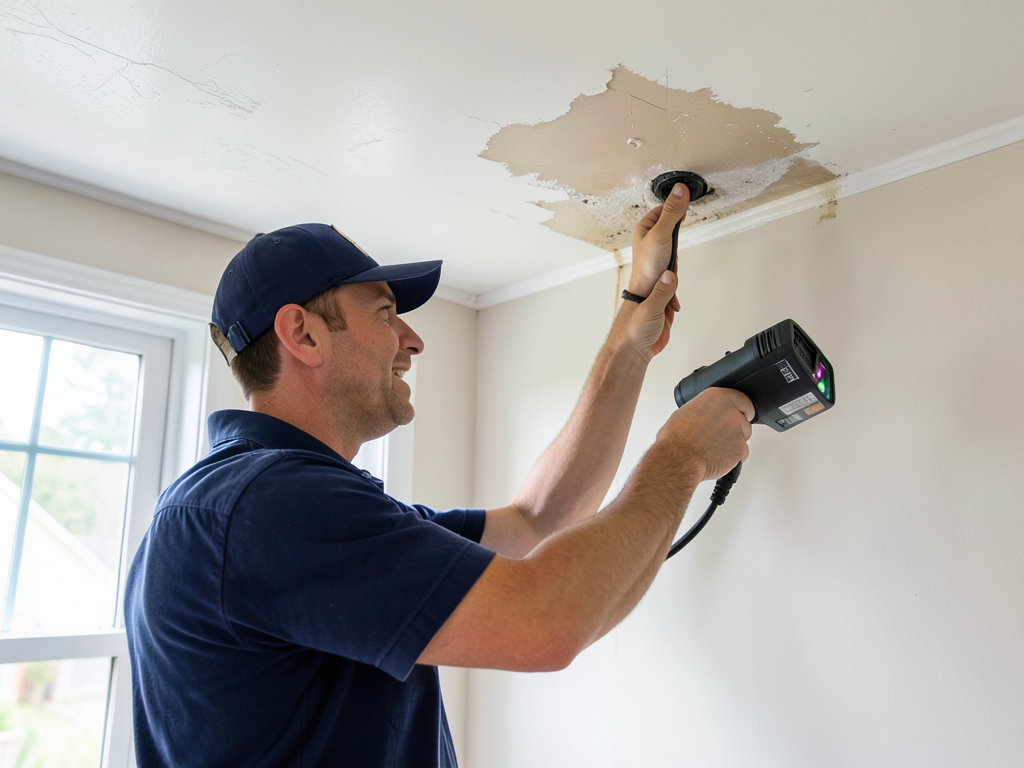
Classification requires more than looking at the source. We use moisture meters to track water migration through building cavities. Thermal imaging reveals hidden saturation in walls and ceilings where water quality changes. We collect samples from multiple locations and test for bacterial indicators, pH, and total dissolved solids. Lab results arrive within 24 hours and determine final category assignment. Documentation includes photos, diagrams, and chain of custody reports for insurance and regulatory compliance.

Category-Specific Restoration Protocol

Each water category follows distinct IICRC restoration standards. Category 1 incidents focus on rapid drying and dehumidification. Category 2 requires antimicrobial treatment and careful evaluation of porous materials. Category 3 demands containment barriers, negative air pressure, HEPA filtration, and aggressive material removal. You receive a detailed scope of work explaining why specific materials must be removed and what can be saved. Our protocols protect your health and satisfy insurance requirements.

Post-Restoration Verification and Documentation

Restoration ends with verification testing proving contamination elimination. We measure moisture content in structural materials to confirm complete drying. Air quality testing detects remaining microbial contamination. You receive a comprehensive report documenting initial category classification, contamination test results, remediation protocols followed, and final clearance testing. This documentation protects you from future liability claims and satisfies insurance company requirements. We provide ongoing consultation if questions arise during reconstruction or claims processing.

Frequently Asked Questions

You Have Questions,
We Have Answers

What are the 5 types of water? +

In water damage restoration, there are three categories of water, not five. Category 1 is clean water from sources like broken supply lines or faucets. Category 2 is gray water containing contaminants from appliances like dishwashers or washing machines. Category 3 is black water, which is grossly unsanitary and comes from sewage backups or flooding. Cincinnati homeowners often face Category 3 water during Ohio River flooding or basement sewer backups. Understanding these categories helps determine the proper cleanup protocol and safety measures required for your property.

What is category 1, 2, and 3 water? +

Category 1 water is clean and poses no immediate health risk. It comes from sanitary sources like supply lines or rainwater. Category 2 water contains contaminants that can cause discomfort or illness. It comes from dishwashers, washing machines, or toilet overflow with urine only. Category 3 water is grossly contaminated and carries disease-causing agents. It comes from sewage, rising floodwater, or ground surface water entering homes. In Cincinnati, Category 2 water can quickly become Category 3 due to humidity and temperature, especially in basements during summer months.

What are the 7 forms of water? +

Water exists in seven physical forms: solid ice, liquid water, water vapor, clouds, precipitation, groundwater, and surface water. For water damage restoration purposes in Cincinnati, you need to understand contamination categories instead. The region experiences various water sources including heavy rainfall, snowmelt from winter storms, Ohio River flooding, and underground water table pressure that affects basements. These environmental factors create unique challenges for property owners. Understanding how water enters your home helps prevent damage and informs the restoration approach needed for your specific situation.

What are the three categories of water? +

The three categories of water in restoration are Category 1, 2, and 3. Category 1 is clean water from sanitary sources. Category 2 is gray water with contaminants from appliances or fixtures. Category 3 is black water containing sewage, chemicals, or biological hazards. Cincinnati properties frequently encounter Category 3 water during spring flooding or sewer backups in older neighborhoods with combined sewer systems. Each category requires different safety equipment, cleanup protocols, and disposal methods. Category 3 water demands professional remediation to protect your health and property value.

What are the 7 types of water? +

There are seven types of drinking water: tap, mineral, spring, well, purified, distilled, and sparkling. For water damage restoration, this question confuses drinking water types with damage categories. Cincinnati restoration professionals classify water by contamination level, not type. The three categories are clean water, gray water, and black water. What matters for your property is the contamination source and how quickly you respond. Even clean water from a broken pipe can become contaminated within 48 hours in Cincinnati's humid climate, promoting mold growth and structural damage.

What are the 8 types of water? +

Water damage restoration uses three categories, not eight types. You may be thinking of drinking water varieties like tap, filtered, spring, mineral, sparkling, distilled, alkaline, and purified. For restoration purposes in Cincinnati, focus on contamination categories. Category 1 is clean, Category 2 contains contaminants, and Category 3 is hazardous. Understanding this system helps you communicate effectively with restoration professionals and insurance adjusters. The category determines cleanup costs, safety requirements, and disposal methods. Quick response prevents Category 1 water from degrading into more dangerous categories in your home.

What is category 4 water? +

Category 4 water does not exist in industry-standard water damage classification. The IICRC recognizes only three categories: clean water, gray water, and black water. Some people confuse water categories with damage classes. Classes 1 through 4 describe the evaporation rate and affected materials, not water contamination. In Cincinnati, black water from sewage or flooding represents the most severe contamination level. Restoration professionals use proper terminology to ensure accurate insurance claims and appropriate safety protocols. Any company referencing Category 4 water may lack proper IICRC training or certification.

What are the four classes of water? +

The four classes of water damage describe evaporation rates and material absorption, not water types. Class 1 affects minimal materials with slow evaporation. Class 2 affects an entire room with fast evaporation. Class 3 involves water from overhead with the fastest evaporation rate. Class 4 requires specialty drying for materials like hardwood, plaster, or concrete. Cincinnati homes often experience Class 3 damage from roof leaks during severe storms or Class 4 damage in finished basements with saturated drywall and flooring. These classes determine equipment needs and drying time for restoration.

Which is better, alkaline or purified water? +

This question relates to drinking water preference, not water damage restoration. Alkaline water has a higher pH, while purified water removes contaminants through filtration. Neither is relevant for property damage assessment in Cincinnati. What matters for your home is contamination category and moisture class. Clean supply line water differs drastically from sewage backup water in safety and cleanup requirements. Focus on identifying your water source and calling professionals quickly. The longer contaminated water sits, the more damage occurs to your property and the higher your restoration costs become.

What are the 10 types of water? +

Drinking water comes in types like tap, filtered, spring, mineral, distilled, alkaline, sparkling, purified, well, and artesian. For water damage in Cincinnati properties, these distinctions are irrelevant. Restoration professionals classify water by three contamination categories: clean, gray, and black. What matters is the source of water entering your home and how contaminated it is. Cincinnati residents dealing with basement flooding, pipe bursts, or appliance leaks need to focus on contamination level and response speed. Understanding damage categories helps you communicate with insurance companies and restoration teams effectively.

How Ohio River Flooding Affects Water Contamination Levels in Cincinnati

The Ohio River carries contamination from six states upstream. Spring flooding brings agricultural chemicals, industrial discharge, and sewage treatment overflow into Cincinnati neighborhoods along the riverfront. Properties in Riverside, East End, and Lower Price Hill face Category 3 water whenever the river crests above flood stage. This black water contains E. coli, heavy metals, petroleum products, and agricultural pesticides. Understanding these contamination sources determines proper cleanup protocols and protects your family from exposure to pathogens that cause serious illness.

Cincinnati's combined sewer system serves over 300,000 residents in older neighborhoods. During heavy rain, these systems discharge untreated sewage through basement floor drains and toilets. Properties built before 1960 in Mount Auburn, Clifton, and Over-the-Rhine face this risk regularly. Local restoration companies familiar with Cincinnati infrastructure recognize these contamination patterns immediately. We know which zip codes require sewage backup precautions and how to document Category 3 classifications for Hamilton County health inspectors. This local expertise protects you from inadequate cleanup that creates long-term health risks.
Water Damage Restoration Services in The Cincinnati Area

We are proud to serve the entire Cincinnati area, providing expert water damage restoration services wherever and whenever they are needed. We understand the unique challenges our local community faces and are committed to being there for our neighbors. View our service area on the map to see how we can assist you, or simply give us a call for immediate dispatch to your location.

Address:
Ace Water Damage Restoration Cincinnati, 1507 Dana Ave, Cincinnati, OH, 45207

Additional Services We Offer

Our news updates

Latest Articles & News from The Blogs

Finding the Source of a Slab Leak in Your Mack Home Slab leaks in Mack OH homes are more than…

Finding the Source of a Slab Leak in Your Mack Home

Finding the Source of a Slab Leak in Your Mack Home Slab leaks in Mack OH homes are more than…

What to Do When Your Water Heater Bursts in Madisonville

Emergency Water Heater Burst Cleanup in Madisonville, Cincinnati \n\n A water heater burst in Madisonville creates immediate flooding that can…

Salvaging Important Paper Documents and Photos After an Amberley Village Flood

Salvaging Important Paper Documents and Photos After an Amberley Village Flood When floodwaters rush through Amberley Village basements, the damage…

Contact Us

Water contamination categories determine your safety and restoration costs. Contact Ace Water Damage Restoration Cincinnati at (513) 717-2522 for immediate classification and IICRC-compliant cleanup. We provide 24/7 emergency response with proper testing, documentation, and category-specific protocols that protect your health and property.