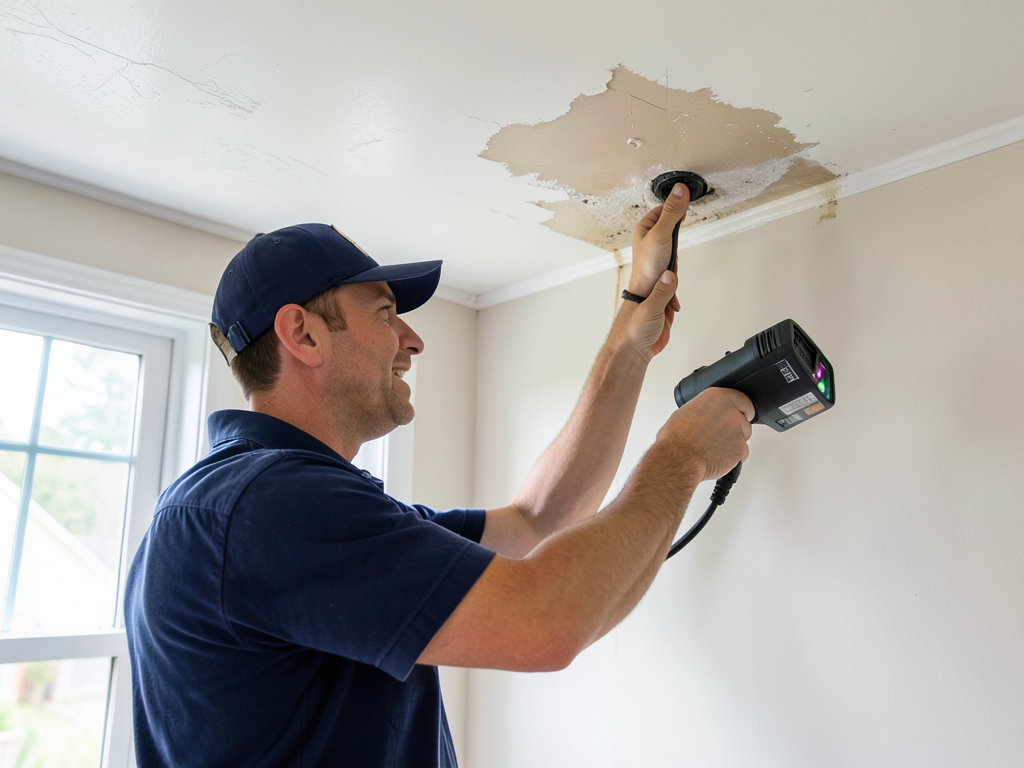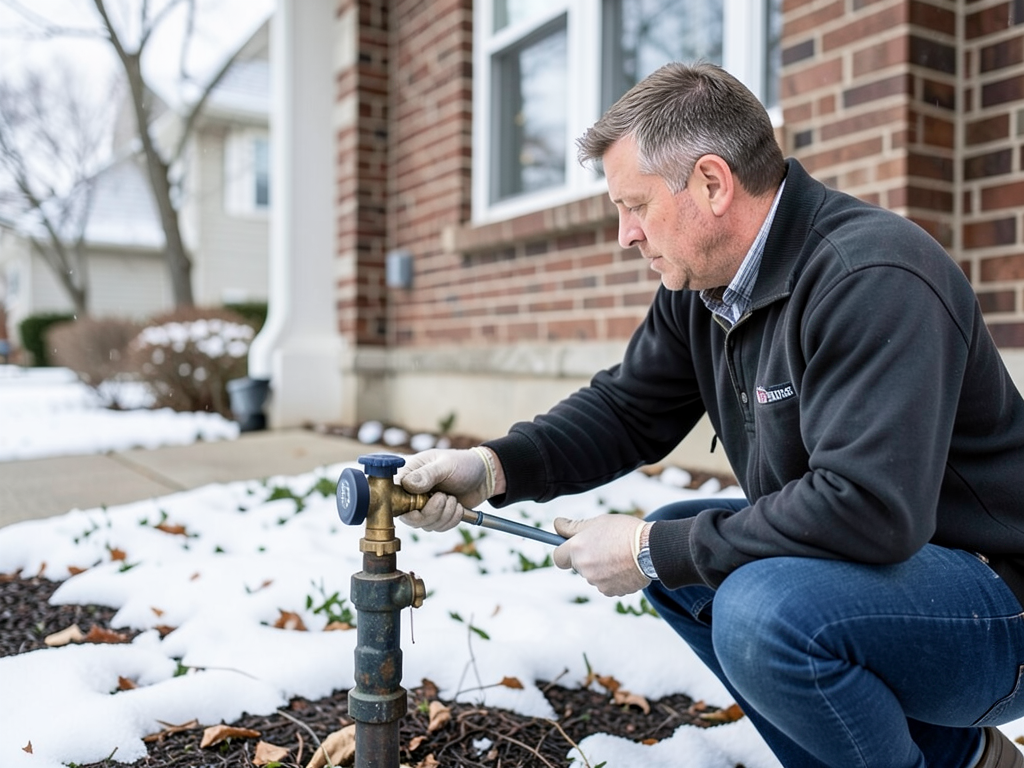





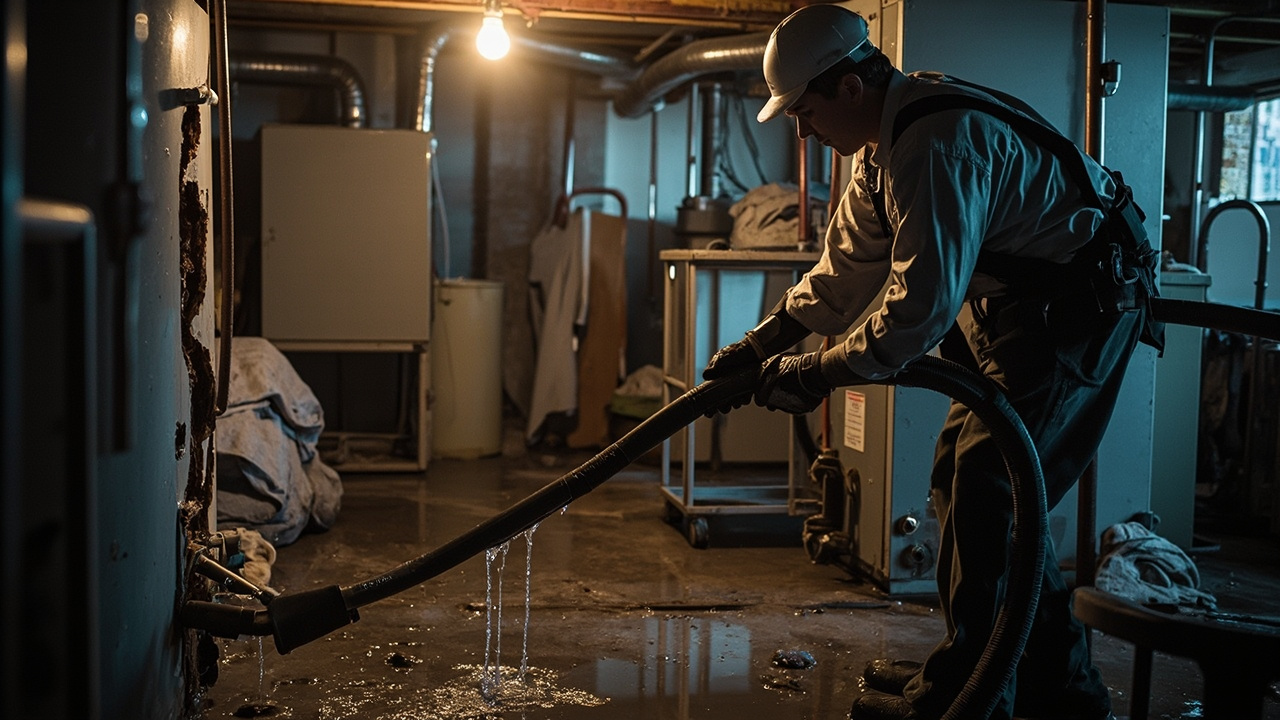
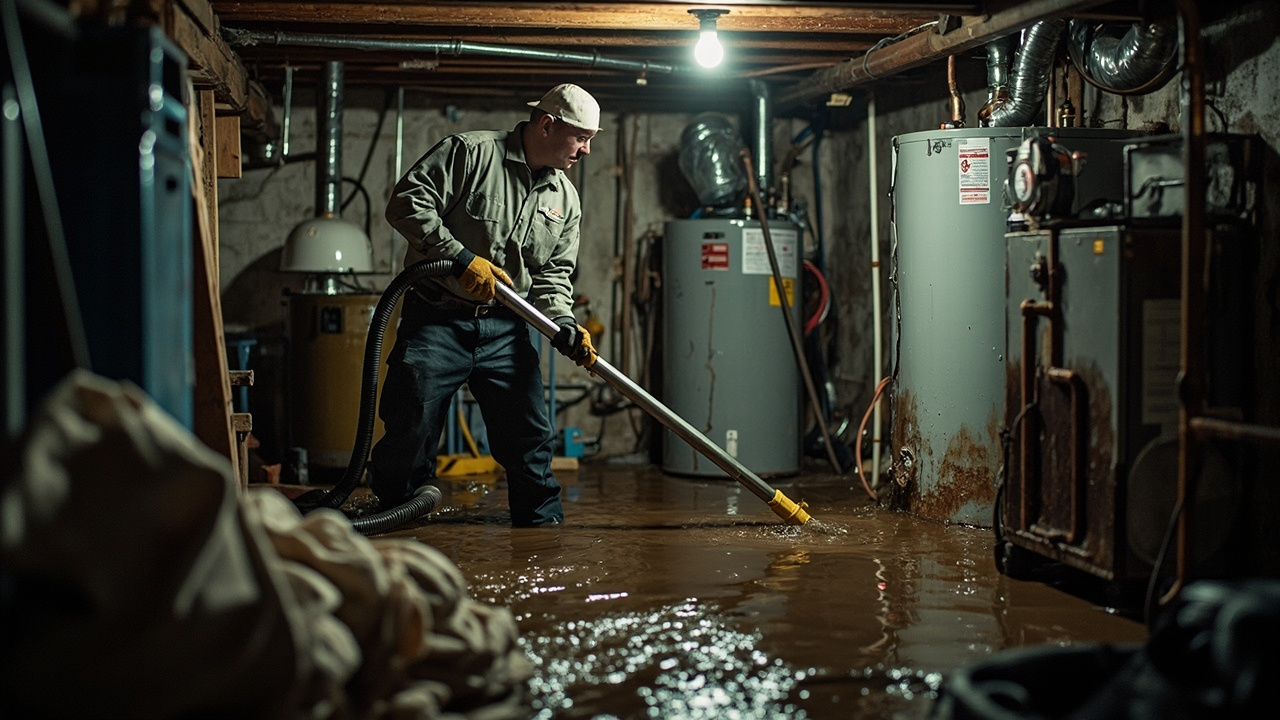
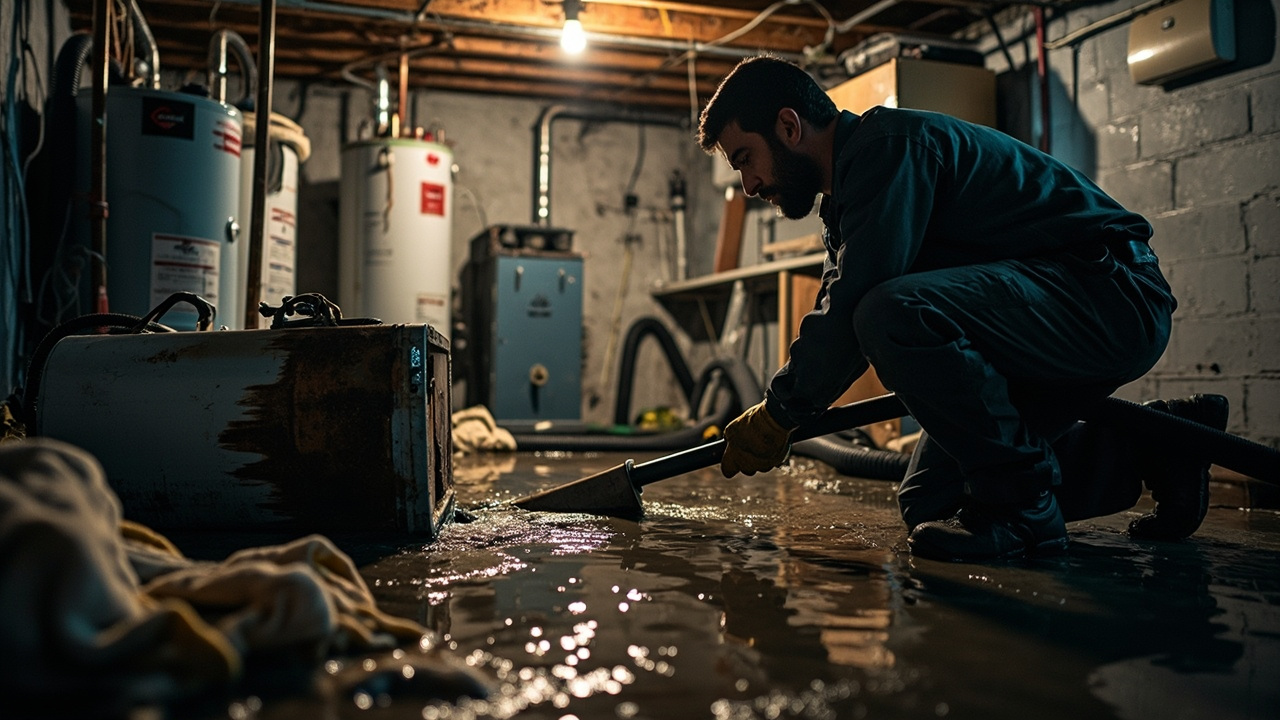
Cincinnati has one of the highest concentrations of pre-1950 housing in the Midwest. Homes in Mt. Adams, Over-the-Rhine, and Clifton feature balloon framing, plaster walls, and limestone foundations. When a water heater bursts in these structures, water travels vertically through open stud cavities and horizontally through porous masonry. You might see flooding in your basement but have saturated wall cavities on your first floor. The Ohio River Valley's humidity keeps those cavities wet for weeks without professional drying. Burst hot water tank cleanup in modern construction is straightforward. In Cincinnati's historic homes, it requires understanding how water moves through old-growth lumber and horsehair plaster.
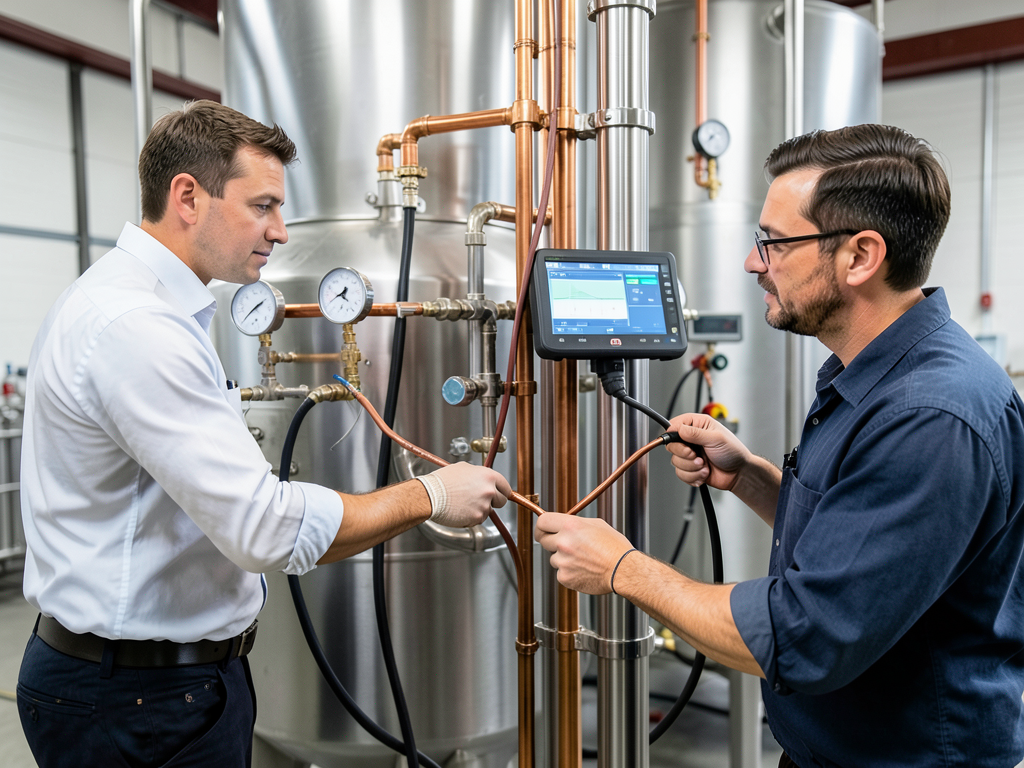
We have restored water damage in every Cincinnati neighborhood. We know the construction methods used in different eras and how those methods affect drying protocols. We understand local building codes and work with inspectors regularly. Our crews train on IICRC standards specifically because those certifications are recognized by adjusters at insurance companies that dominate the Cincinnati market. When you hire local contractors for ruptured water heater cleanup services, you get technicians who understand your home's construction, your insurance company's requirements, and the climate factors that make drying more difficult in the Ohio River Valley.