




Menu

Rapid Response Flood Extraction in Cincinnati – Crews Dispatched in Under 60 Minutes

When floodwater invades your Cincinnati home or business, every minute counts. Our rapid response flood extraction teams arrive fast, remove standing water immediately, and prevent mold growth before it starts.

Slider Image 1
Slider Image 2
Slider Image 3
Slider Image 4
Slider Image 5
Slider Image 7
Slider Image 8
Slider Image 9
Slider Image 10
Slider Image 11

Why Cincinnati Floods Demand Immediate Professional Extraction

Cincinnati sits in a basin where the Ohio River meets the Licking River. When storms hit, water has nowhere to go but into basements, crawlspaces, and ground floors. The city's combination of clay soil, aging storm sewers, and sudden downpours creates perfect conditions for rapid flooding.

You might be standing in six inches of water right now. You might be watching it seep through foundation walls in Over-the-Rhine or pooling in your Norwood basement. The clock is ticking. After 24 hours, mold spores begin colonizing wet drywall and insulation. After 48 hours, structural damage accelerates. After 72 hours, you are looking at thousands in additional repairs.

Emergency water removal services are not about convenience. They are about stopping a cascade of damage that starts the moment water enters your property. Floodwater carries sewage, chemicals, and bacteria from street runoff. It soaks into subflooring, climbs up wall cavities through capillary action, and saturates anything porous.

Cincinnati's humidity makes everything worse. Even after you remove standing water, moisture lingers in materials and air. Without commercial-grade extraction equipment and dehumidification, you are creating an incubator for mold, rot, and long-term structural compromise.

Urgent water cleanup means extracting every gallon of standing water, then removing moisture you cannot see. It means understanding how water migrates through Cincinnati's common home construction styles, from brick Italianates in Mount Adams to post-war ranches in Delhi. The right response stops a flood from becoming a total loss.

Why Cincinnati Floods Demand Immediate Professional Extraction
How Professional Flood Extraction Actually Works

How Professional Flood Extraction Actually Works

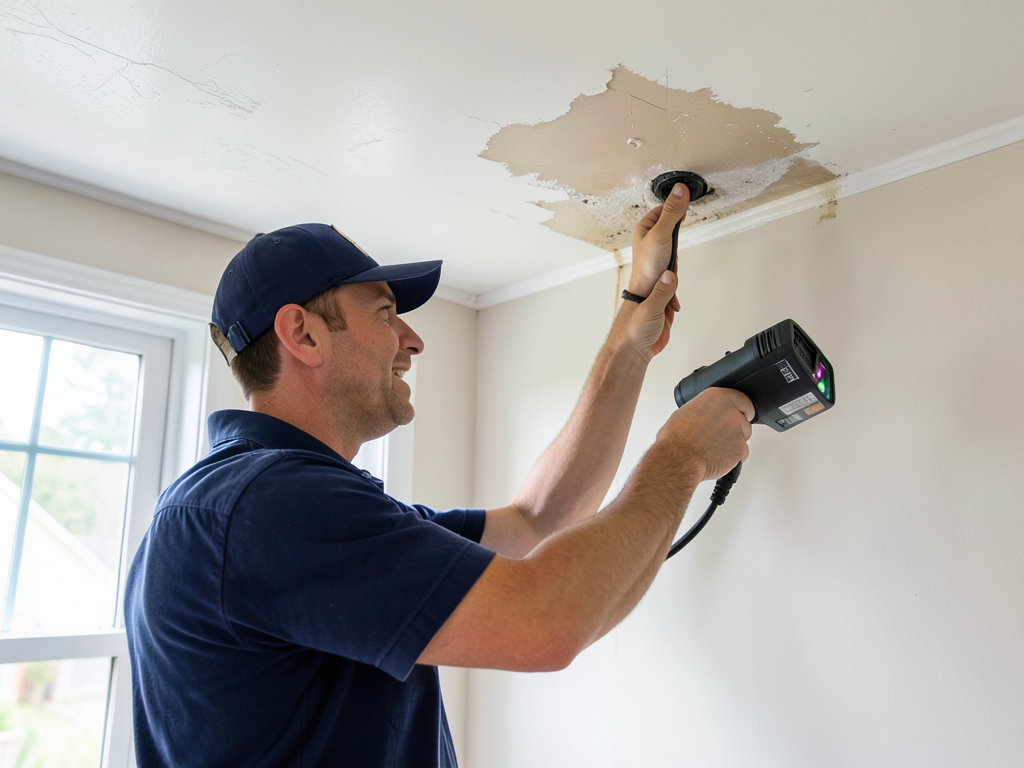
Immediate flood pumping starts with assessment, not action. Our technicians measure moisture content in walls, floors, and ceilings using thermal imaging cameras and pin-type moisture meters. We map the water migration pattern to understand where it came from and where it is going.

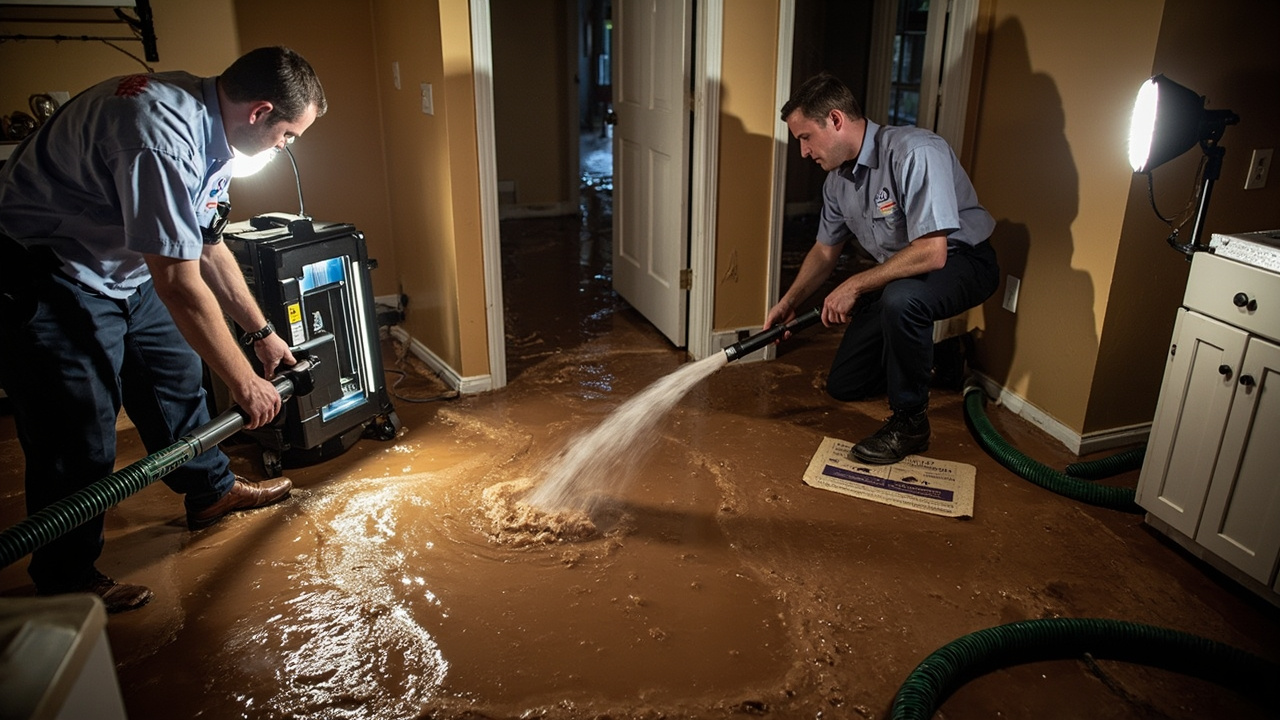
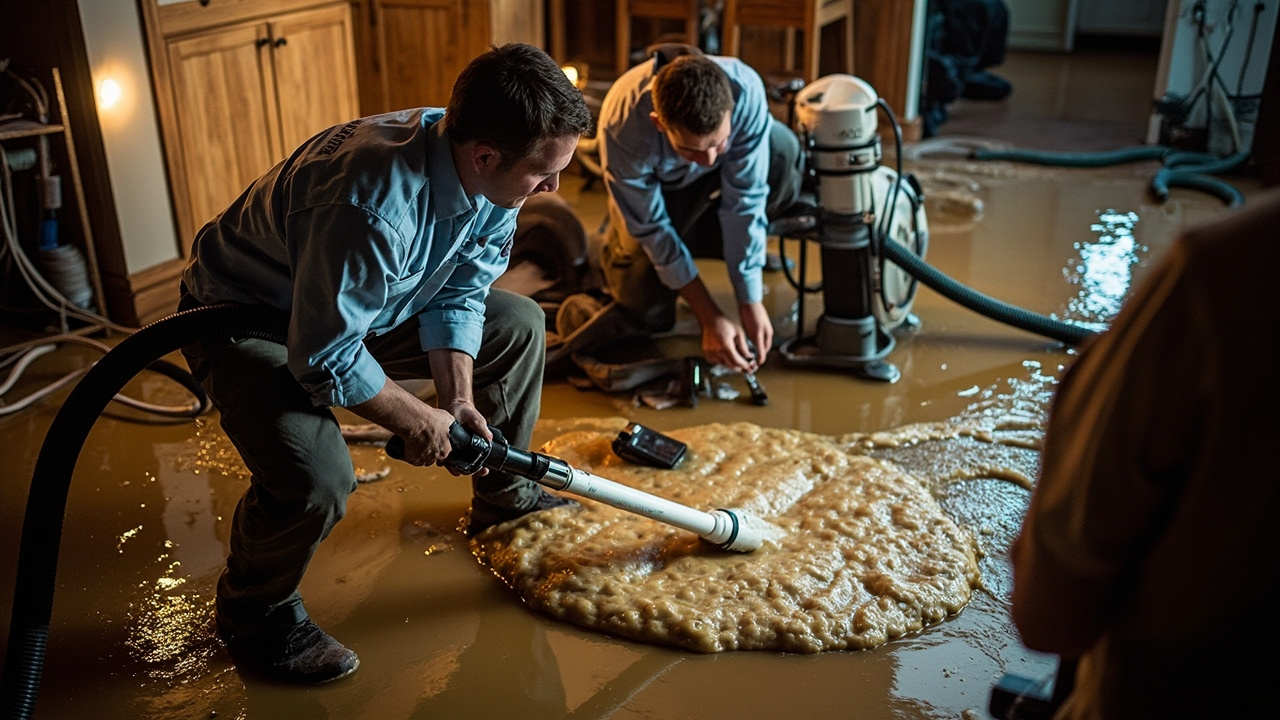
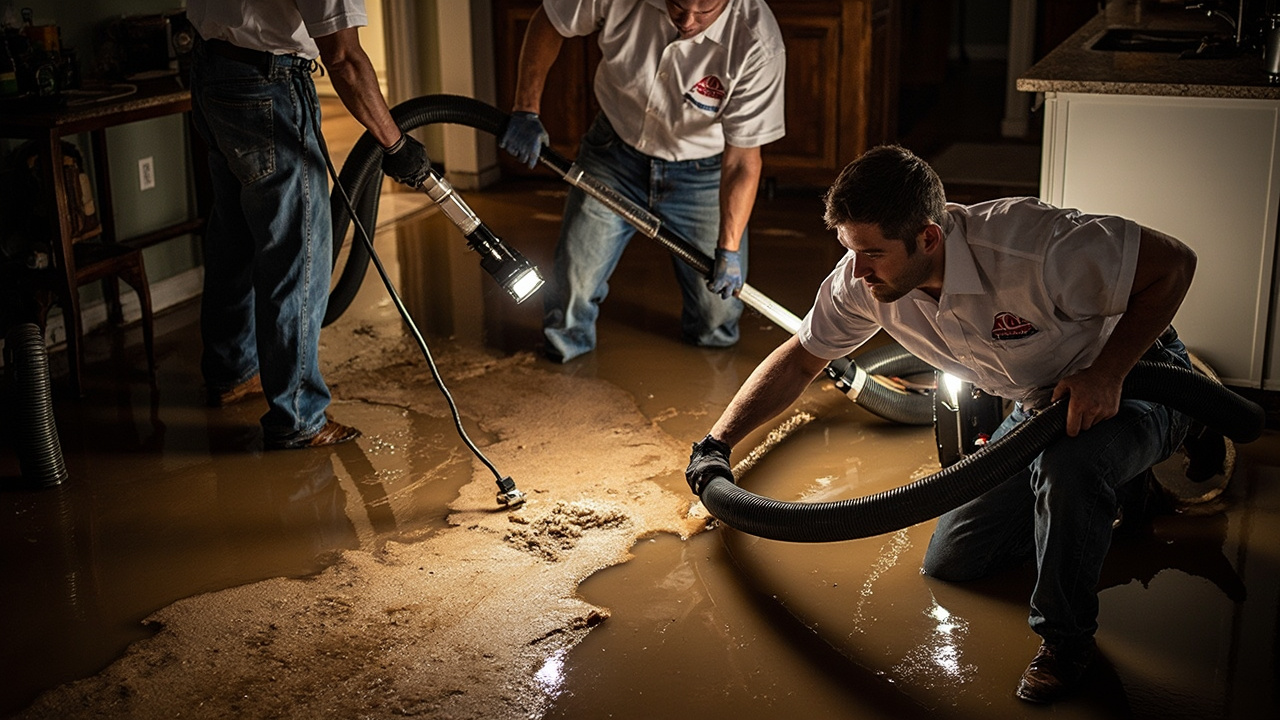
Extraction uses truck-mounted pumps capable of removing thousands of gallons per hour. For standing water deeper than two inches, we deploy submersible pumps that sit directly in the flood zone. These units handle debris-laden water without clogging, unlike shop vacuums or sump pumps.

After visible water is gone, we use weighted extraction wands to pull moisture from carpets and padding. The vacuum pressure is measured in inches of lift. Standard equipment generates 150 to 200 inches. We use 250-inch lift systems that extract water trapped in carpet backing and subfloor surfaces.

Air movement comes next. We position axial fans to create airflow across wet surfaces at 2,000 to 3,000 cubic feet per minute. This is not about comfort. It is about vapor pressure gradients. Wet materials release moisture into the air. Fans move that saturated air out and replace it with drier air, accelerating evaporation.

Dehumidification controls the drying environment. We calculate the grain depression needed based on room volume, material saturation, and current humidity levels. Low-grain refrigerant dehumidifiers condense moisture from the air, dropping relative humidity below 40 percent to prevent secondary damage.

Ace Water Damage Restoration Cincinnati monitors this process with data loggers that record temperature and humidity every 15 minutes. We adjust equipment placement daily based on moisture meter readings. Drying is not complete when it looks dry. It is complete when moisture content returns to normal levels for each material type.

What Happens When You Call for Emergency Flood Extraction

Rapid Response Flood Extraction in Cincinnati – Crews Dispatched in Under 60 Minutes
01

Immediate Dispatch and Assessment

You call our emergency line. We dispatch a crew immediately, not in four hours or tomorrow morning. Our technician arrives with extraction equipment already loaded. The first 20 minutes focus on safety checks, power shutoffs if needed, and identifying the water source. We stop active flooding first, then assess the scope. You get a verbal overview of what needs to happen before we move any equipment.
02

High-Volume Water Removal

Truck-mounted pumps begin extracting standing water through intake hoses. We work from the deepest point outward, preventing water from spreading to dry areas. Extraction wands follow to pull moisture from flooring and materials. We remove soaked contents, pull wet carpet padding, and drill weep holes in baseboards if water has wicked into wall cavities. This phase moves fast because water damage accelerates exponentially.
03

Controlled Structural Drying

After extraction, we set up a drying chamber using air movers and dehumidifiers. Equipment runs 24/7 under our remote monitoring. We return daily to take moisture readings and adjust airflow. Drying takes three to five days depending on material saturation and affected square footage. You get a completion report with before-and-after moisture data. This documentation is critical for insurance claims and proves your property is truly dry.

Why Cincinnati Property Owners Choose Ace Water Damage Restoration

You need a company that understands Cincinnati flooding patterns. We know which neighborhoods flood during Ohio River crests. We know how older homes in Clifton and Oakley handle water differently than newer construction in Anderson Township. We know the local building codes for vapor barriers and subfloor replacement.

Our equipment inventory is sized for Cincinnati's flood reality. We stock industrial dehumidifiers capable of handling 200-pint-per-day removal. We have enough air movers to cover 10,000 square feet simultaneously. When multiple properties flood during the same storm event, we do not run out of equipment or push your job to next week.

Response time is the separator. Other companies tell you they are 24/7, then make you wait until morning. We dispatch immediately because we staff overnight technicians during flood season. Our average response time across Cincinnati and surrounding Hamilton County is under 60 minutes. That difference can mean the difference between drying in place and replacing drywall.

We work directly with insurance carriers. Our estimating software generates line-item documentation that adjusters accept without argument. We photograph everything, log all moisture readings, and provide daily progress reports. You do not fight your insurance company alone.

Ace Water Damage Restoration Cincinnati holds IICRC certification in water damage restoration and applied structural drying. Our technicians are trained in psychrometry, the science of air and moisture interaction. We do not guess at drying times. We calculate them based on material density, surface area, and environmental conditions.

You also get honest communication. If your subflooring is too saturated to save, we tell you immediately. If we can dry your hardwood floors in place, we do. We do not upsell demolition you do not need, and we do not sugarcoat damage that requires replacement.

What You Can Expect During Emergency Flood Extraction

Arrival Time and Initial Response

Our crews arrive in under 60 minutes for most Cincinnati locations. You get a phone call when the technician is 10 minutes out. The first hour focuses on water extraction and damage assessment. We begin pumping immediately if water is still rising or if you have more than two inches of standing water. Equipment setup happens fast. You see visible progress within the first two hours. Our trucks carry everything needed for initial extraction, so we do not leave to get supplies.

Detailed Damage Assessment and Moisture Mapping

After extraction, we conduct a room-by-room moisture survey. Technicians use infrared cameras to detect hidden water in wall cavities and ceilings. Moisture meters measure saturation levels in wood framing, drywall, and insulation. We document everything with photos and written notes. You receive a detailed scope of damage, typically within two hours of arrival. This report includes what can be dried in place and what requires replacement. We explain the findings in plain language, not jargon. You understand exactly what happened and why.

Drying Results and Final Verification

Structural drying takes three to five days on average. We monitor moisture levels daily and adjust equipment as materials dry. You get text or email updates showing progress. Drying is complete when all materials return to normal moisture content for the material type. We provide a completion certificate with before-and-after moisture readings. This documentation proves your property is dry and safe, which insurance companies and future buyers require. The goal is to return your property to pre-loss condition, not just remove visible water.

Insurance Coordination and Documentation

We handle insurance paperwork from the first phone call. Our estimates use Xactimate, the software most adjusters require. We photograph all damage, document all equipment used, and track labor hours to the minute. You receive copies of everything. If your adjuster has questions, we communicate directly with them. We do not get paid until your claim is approved, so we have every incentive to document thoroughly. Most clients find our involvement speeds up claim approval because adjusters trust our documentation. You avoid the back-and-forth that delays payment.

Frequently Asked Questions

You Have Questions,
We Have Answers

What is the average insurance payout for water damage? +

Insurance payouts for water damage vary widely based on damage severity, coverage limits, and your deductible. Most homeowners receive between $2,000 and $10,000, but severe flooding in Cincinnati basements or multi-level damage can push claims higher. Your policy type matters. Standard homeowner policies cover sudden internal failures like burst pipes, but exclude flood damage from storms or river overflow. Keep detailed documentation with photos, receipts, and contractor estimates to maximize your payout. Work with your adjuster quickly and get professional water extraction started immediately to prevent mold escalation, which insurers may not cover if you delay mitigation.

What is the immediate response to a flood? +

Stop the water source if safe, then shut off electricity to flooded areas to prevent electrocution. Move to higher ground and call for emergency extraction if water is rising. In Cincinnati, flash flooding from heavy storms can overwhelm basements fast. Do not wade through standing water deeper than six inches. Contact a 24/7 flood extraction team immediately to begin pumping and drying. Time is critical. Within 24 to 48 hours, mold colonizes wet drywall and wood framing. Document everything with photos for insurance before professionals arrive. Your safety comes first, property second.

Will insurance cover flash floods? +

Standard homeowner insurance does not cover flash flood damage. You need a separate flood insurance policy through the National Flood Insurance Program or private insurers. Flash floods from storms, river overflow, or rapid snowmelt are excluded from typical policies. In Cincinnati, where the Ohio River and Mill Creek can surge during heavy rain, flood insurance is smart protection. Even if you are not in a FEMA high-risk zone, flash flooding can strike anywhere. Policies take 30 days to activate, so buy before you need it. Review your coverage limits annually to match current property values.

How much does flood removal cost? +

Flood removal costs depend on water volume, contamination level, and structural damage. Minor basement flooding may cost $1,000 to $4,000 for extraction and drying. Severe flooding affecting multiple floors or containing sewage can exceed $10,000 due to hazmat protocols and reconstruction needs. Cincinnati homes with finished basements face higher costs when drywall and flooring must be replaced. Get multiple estimates but prioritize speed. Delayed extraction leads to mold remediation, which adds thousands. Most reputable companies work directly with insurance to streamline billing. Emergency response may include surge pricing, but preventing secondary damage saves money long-term.

How long does it take for flood insurance to pay out? +

Flood insurance claims take 30 to 60 days on average after you file. The adjuster must inspect damage, verify coverage, and process paperwork. Complex claims with disputes or extensive damage can stretch to 90 days. File immediately after flooding and provide complete documentation including photos, videos, and professional estimates. Do not wait to start mitigation work. Most policies cover reasonable emergency expenses like water extraction and drying before the adjuster arrives. In Cincinnati, where spring storms cause sudden flooding, prompt filing speeds payouts. Stay in contact with your adjuster and respond quickly to requests for additional information.

What not to say to a home claims adjuster? +

Never exaggerate damage or claim pre-existing issues as new. Do not admit fault or speculate about causes you are unsure of. Avoid saying the damage is minor if you have not assessed hidden areas like wall cavities or subfloors. Do not agree to quick settlements before getting professional inspections. In Cincinnati, where humidity accelerates mold growth, hidden damage often exceeds surface appearances. Stick to facts and documentation. Let contractors provide technical assessments. Do not sign anything without reading thoroughly. Be honest but cautious. Inconsistent statements can delay or deny your claim.

What does flood insurance cover? +

Flood insurance covers direct physical damage from rising water, including structural damage, electrical systems, HVAC equipment, and appliances. It also covers debris removal and some belongings if you have contents coverage. Policies exclude basements beyond structural elements, meaning finished drywall, carpeting, and personal items stored below grade are not covered. Temporary living expenses are excluded. In Cincinnati, where basements are common, understand your policy limits. Flood insurance does not cover landscaping, currency, or vehicles. Review your policy annually and photograph valuables. Coverage caps exist, so high-value homes may need supplemental private flood insurance.

What is the first thing you should do after a flood? +

Shut off electricity to flooded areas immediately to prevent electrocution. Do not enter standing water until power is confirmed off. Call a 24/7 emergency flood extraction service to begin water removal and drying. Time is your enemy. In Cincinnati, high humidity amplifies mold risk, so act within hours, not days. Contact your insurance company to start a claim while professionals work. Document everything with photos and videos before cleanup begins. Remove salvageable items to dry areas. Do not throw away damaged property until your adjuster inspects it. Safety first, then mitigation, then recovery.

What are the 4 steps of emergency response? +

The four steps of emergency response are assess, stabilize, mitigate, and restore. First, assess the situation for safety hazards like electrical risks or structural instability. Second, stabilize the environment by stopping water sources and securing the property. Third, mitigate further damage through rapid water extraction, drying, and dehumidification. Fourth, restore the property by repairing or replacing damaged materials. In Cincinnati flood scenarios, professionals execute these steps simultaneously. Assessment happens while extraction crews deploy pumps. Time compression is critical. Mold starts growing within 24 hours, so stabilization and mitigation overlap to prevent escalation and reduce total restoration costs.

Why would insurance deny a water damage claim? +

Insurance denies water damage claims for several reasons. Flood damage without separate flood insurance is the most common denial. Maintenance neglect, like ignoring a leaking pipe for months, voids coverage. Filing delays that allow secondary damage like mold can trigger denials. Misrepresenting damage or providing incomplete documentation raises red flags. In Cincinnati, gradual seepage from poor grading or foundation cracks is often excluded. Read your policy exclusions carefully. Sudden, accidental events are covered. Slow, ongoing problems are not. Work with a restoration company experienced in insurance claims to document properly and avoid common denial triggers.

How Cincinnati's River Basin Geography Makes Rapid Flood Extraction Critical

Cincinnati sits at the confluence of the Ohio and Licking Rivers, surrounded by steep hills that funnel stormwater into low-lying neighborhoods. When heavy rain hits, the city's combined sewer system overflows, sending diluted sewage into basements through floor drains and sump pump lines. Clay soil common throughout Hamilton County does not absorb water quickly, so surface runoff floods streets and seeps through foundation walls. Properties in the Mill Creek Valley, Queensgate, and East End face repeated flood risk during spring storms and Ohio River crests. This geography makes 24/7 flood extraction services not optional, but necessary.

Ace Water Damage Restoration Cincinnati understands local flood patterns because we have responded to hundreds of events across every neighborhood. We know which areas flood first during heavy rain. We know how Cincinnati's older brick and stone foundations handle hydrostatic pressure differently than poured concrete. We maintain relationships with local plumbers and electricians for coordinated emergency response. Our equipment staging locations across the metro area allow rapid deployment to Westwood, Hyde Park, and Anderson Township without cross-town delays. Choosing a local provider means working with technicians who understand your specific flood risk and building construction.
Water Damage Restoration Services in The Cincinnati Area

We are proud to serve the entire Cincinnati area, providing expert water damage restoration services wherever and whenever they are needed. We understand the unique challenges our local community faces and are committed to being there for our neighbors. View our service area on the map to see how we can assist you, or simply give us a call for immediate dispatch to your location.

Address:
Ace Water Damage Restoration Cincinnati, 1507 Dana Ave, Cincinnati, OH, 45207

Additional Services We Offer

Our news updates

Latest Articles & News from The Blogs

Finding the Source of a Slab Leak in Your Mack Home Slab leaks in Mack OH homes are more than…

Finding the Source of a Slab Leak in Your Mack Home

Finding the Source of a Slab Leak in Your Mack Home Slab leaks in Mack OH homes are more than…

What to Do When Your Water Heater Bursts in Madisonville

Emergency Water Heater Burst Cleanup in Madisonville, Cincinnati \n\n A water heater burst in Madisonville creates immediate flooding that can…

Salvaging Important Paper Documents and Photos After an Amberley Village Flood

Salvaging Important Paper Documents and Photos After an Amberley Village Flood When floodwaters rush through Amberley Village basements, the damage…

Contact Us

Every minute counts when floodwater is in your property. Call Ace Water Damage Restoration Cincinnati at (513) 717-2522 right now. Our crews are ready to dispatch immediately, and our phone lines are staffed 24/7. Do not wait until morning. Stop the damage now.