




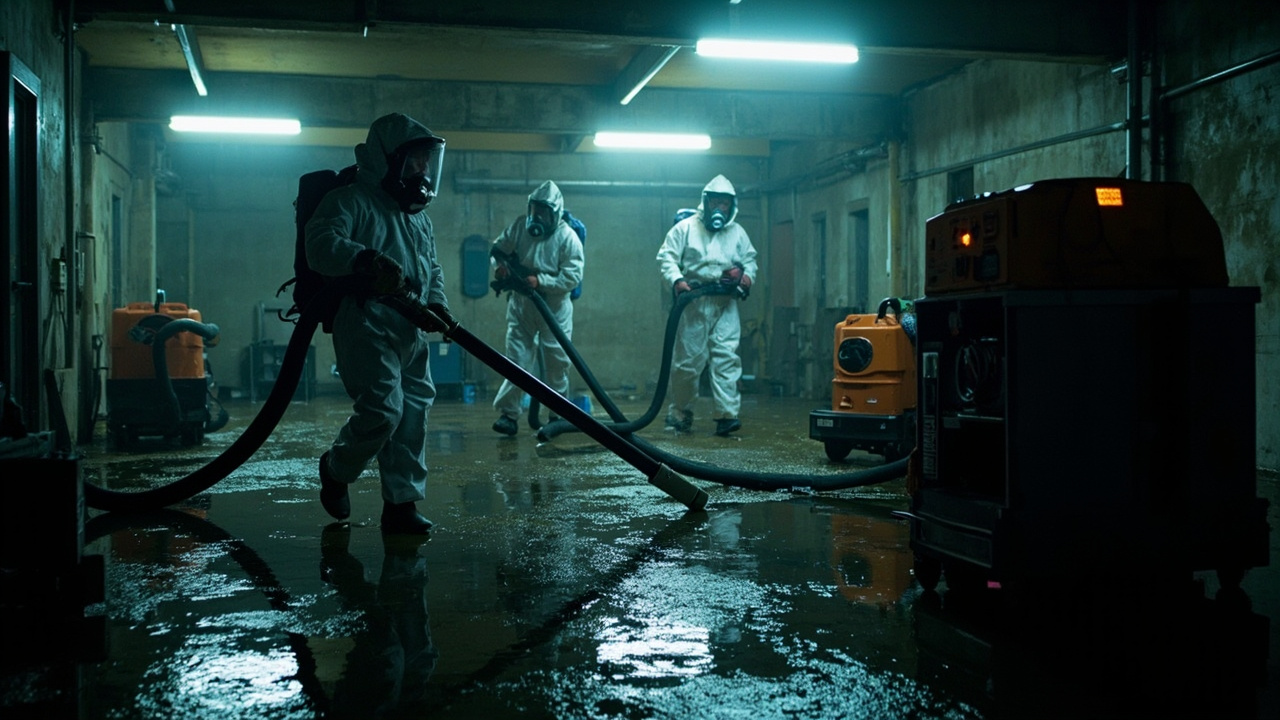
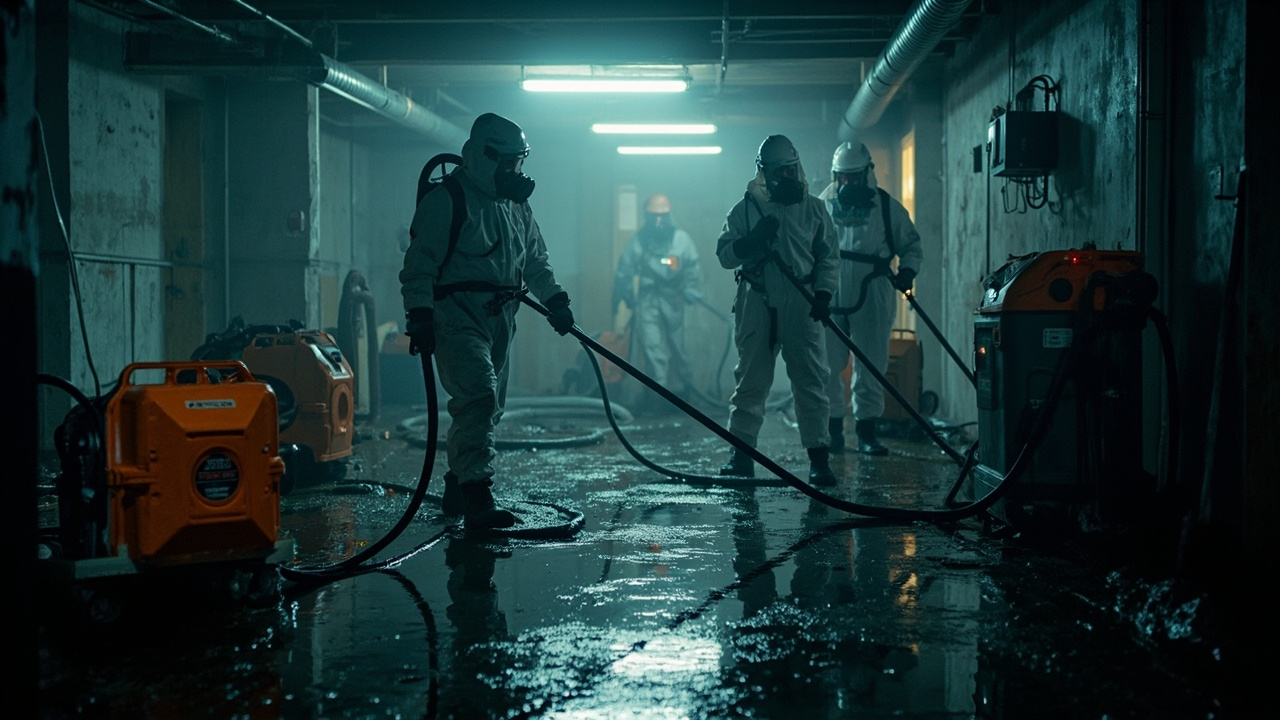
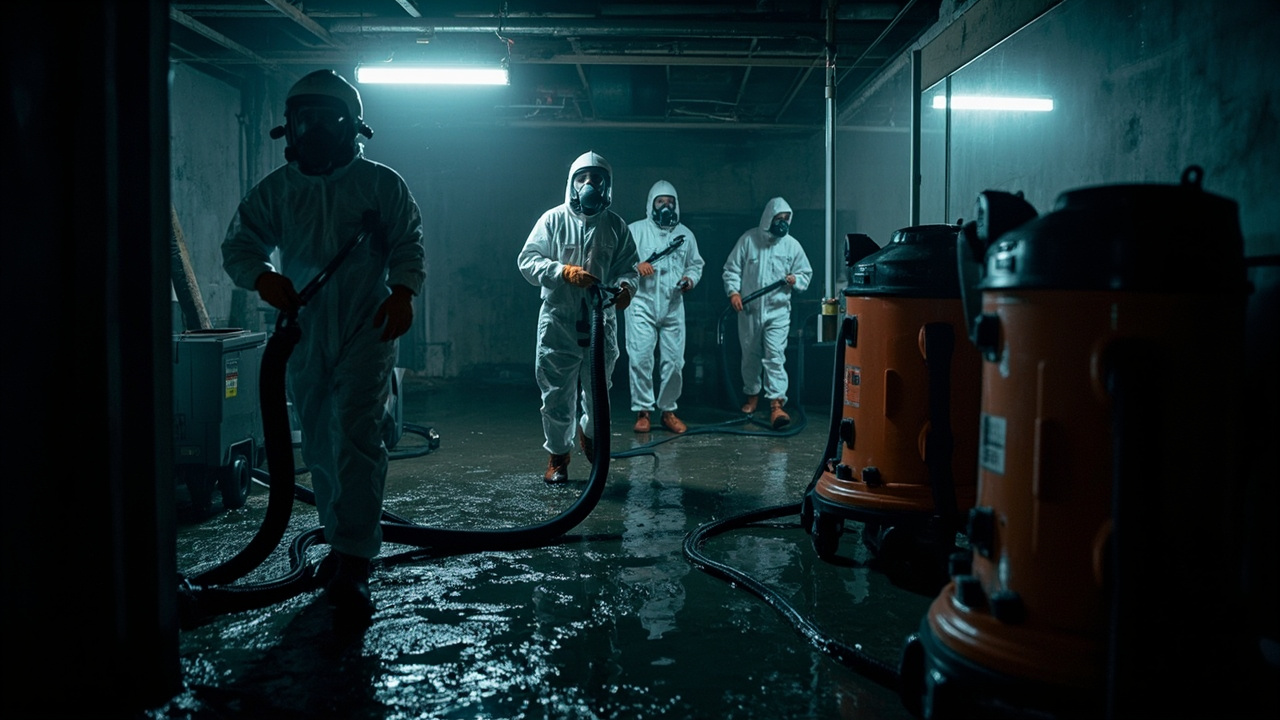
Cincinnati operates one of the oldest combined sewer systems in the United States, dating back to the 1800s. During heavy rain events, stormwater and sanitary sewage flow through the same pipes. When capacity is exceeded, the Metropolitan Sewer District's overflow system activates, but neighborhoods with undersized laterals often experience backups before relief occurs. Properties in the Mill Creek Valley, along the Ohio River floodplain, and in older hillside communities like Mount Adams face elevated risk. The transition from clay to PVC piping in the 1970s created weak connection points where roots infiltrate and blockages form. Understanding this infrastructure reality is critical for effective emergency sewage removal across Greater Cincinnati.
Cincinnati building codes now mandate backflow prevention on all new residential and commercial construction, but thousands of older properties remain unprotected. Licensed remediation contractors who understand local ordinances provide more than cleanup. They guide property owners through code-compliant upgrades that prevent repeat incidents. Our team works directly with Hamilton County Environmental Services and the Metropolitan Sewer District to ensure remediation and reconstruction meet current standards. When you hire local sewage cleanup experts, you gain advocates who understand the regulatory landscape and can navigate permit requirements efficiently. This local expertise speeds recovery and prevents costly compliance issues during insurance claim settlement.